




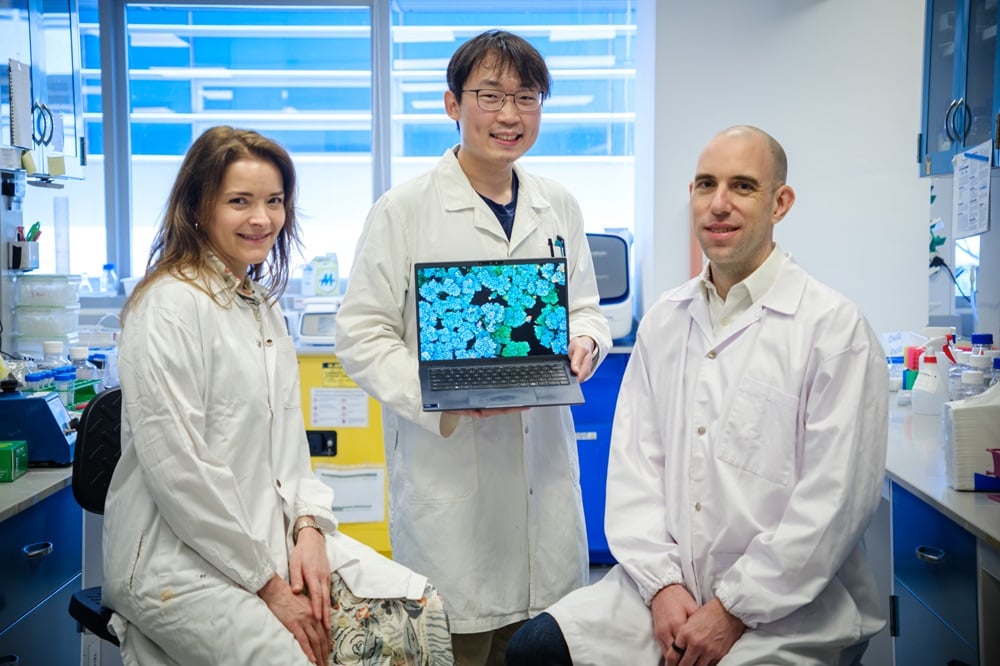
An international team of scientists, spearheaded by researchers at NTU Singapore, has unveiled a groundbreaking method that could significantly accelerate the healing of chronic wounds infected by antibiotic-resistant bacteria. This discovery, published in the journal Science Advances, offers new hope for millions suffering from persistent infections worldwide.
Chronic wounds, such as diabetic foot ulcers, pose a major global health challenge, affecting an estimated 18.6 million people annually. These wounds are a leading cause of lower-limb amputations and are often complicated by infections that resist conventional antibiotic treatments. In Singapore alone, over 16,000 cases of chronic wounds are reported each year, predominantly affecting older adults and individuals with diabetes.
Understanding the Role of E. faecalis in Wound Healing
The study, conducted in collaboration with the University of Geneva, sheds light on the role of the common bacterium Enterococcus faecalis (E. faecalis) in hindering wound healing. Unlike other bacteria that produce toxins, E. faecalis generates reactive oxygen species (ROS), which significantly impair the healing process of human skin cells.
NTU Associate Professor Guillaume Thibault and Professor Kimberly Kline, a visiting professor at the Singapore Centre for Environmental Life Sciences and Engineering, led the research. They discovered that E. faecalis employs a metabolic process known as extracellular electron transport (EET) to produce hydrogen peroxide, a reactive oxygen species that damages living tissue and disrupts skin repair.
Mechanism Behind the Disruption
Dr. Aaron Tan, the first author of the paper and a research fellow at NTU, found that the presence of hydrogen peroxide in infected wounds triggers oxidative stress in skin cells. This stress activates a cellular defense mechanism known as the “unfolded protein response” in keratinocytes, the cells responsible for skin repair. This response, while protective, effectively halts the cells’ ability to migrate and close the wound.
Laboratory experiments confirmed that when E. faecalis strains lacking the EET pathway were used, the bacteria produced less hydrogen peroxide and were unable to impede wound healing. This finding pinpointed the metabolic pathway as a central factor in the bacterium’s ability to disrupt skin repair.
Potential Solutions Beyond Antibiotics
In a promising turn, the researchers demonstrated that treating affected skin cells with catalase, an antioxidant enzyme that breaks down hydrogen peroxide, reduced cellular stress and restored the cells’ ability to heal. This approach offers a novel solution to tackle antibiotic-resistant E. faecalis strains without relying on antibiotics.
“Our findings show that the bacteria’s metabolism itself is the weapon, which was a surprise finding previously unknown to scientists,” said Assoc Prof Thibault. “Instead of focusing on killing the bacteria with antibiotics, we can now neutralise it by blocking the harmful products it generates and restoring wound healing.”
This strategy, which targets the oxidative stress rather than the bacteria itself, could revolutionize the treatment of chronic wounds. The researchers propose that wound dressings infused with antioxidants like catalase could serve as an effective future treatment.
Implications for Global Health
The implications of this study are far-reaching. As antibiotic resistance continues to rise, new methods to manage infections are urgently needed. This discovery not only provides a potential treatment for chronic wounds but also highlights the importance of understanding bacterial metabolism in developing therapeutic strategies.
According to the World Health Organization, antibiotic resistance is one of the biggest threats to global health, food security, and development today. Innovative approaches like the one developed by the NTU-led team are crucial in addressing this challenge and improving patient outcomes.
As the scientific community continues to explore the relationship between bacterial metabolism and host cell dysfunction, the findings from this study could pave the way for new research and treatment options, offering hope to millions affected by chronic wounds worldwide.
Moving forward, further research and clinical trials will be essential to validate these findings and develop practical applications for healthcare settings. The potential for antioxidant-infused wound dressings represents a promising step in the fight against antibiotic-resistant infections.