


The number of fatalities from the catastrophic fire at Hong Kong’s Wang Fuk Court apartment complex has risen to 168, local authorities confirmed. This final death toll, announced months after the disaster, is seven more than initially reported. The announcement was made by Hong Kong’s security chief, who emphasized the sensitivity of the situation by stating that the names of the deceased will not be disclosed to respect the privacy of grieving families.
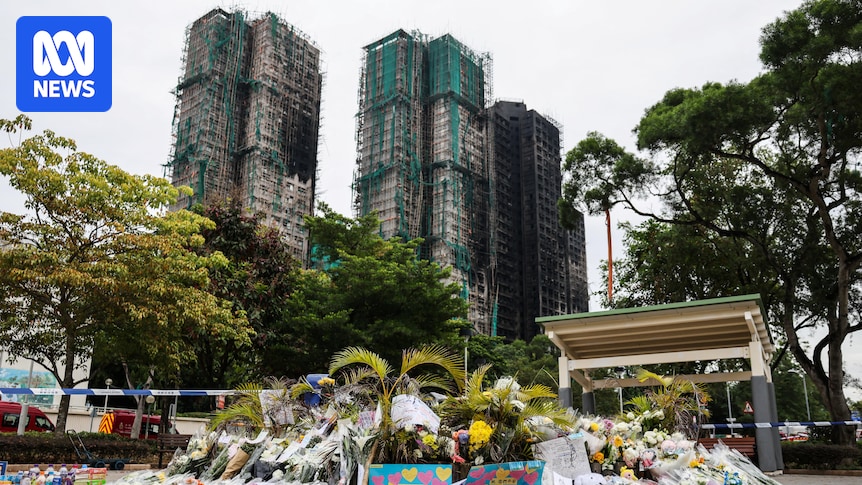
The devastating blaze, which occurred in November, tore through the Tai Po District complex and is now recognized as the world’s deadliest residential building fire since 1980. Initially, authorities had identified 161 victims. However, after completing the identification process, the number was revised to 168, as confirmed by Security Secretary Chris Tang.
“All remains and bodies from the incident have been identified,” Tang stated, ensuring that no individuals remain unaccounted for. The victims include 110 women and 58 men, ranging in age from 6 months to 98 years. Among the deceased are a firefighter, two interior decorators, five construction workers, and ten migrant domestic workers.
The Fire’s Impact and Investigation
The fire at the Wang Fuk Court complex engulfed seven out of eight residential towers, which were undergoing renovations. The buildings were wrapped in substandard netting, which may have contributed to the rapid spread of the fire. In response to the tragedy, authorities have established a judge-led “independent committee” to thoroughly investigate the blaze’s causes and circumstances.
Hong Kong police have pledged to continue their investigation into the fire’s origins and will submit a detailed death investigation report to the coroner. City leader John Lee announced that 16 individuals have been arrested on suspicion of manslaughter, while another six face charges related to fraud. Additionally, Hong Kong’s anti-corruption watchdog has detained 14 people on suspicion of corrupt practices.
Historical Context and Safety Concerns
This tragic incident has drawn comparisons to other significant residential fires in history, highlighting ongoing safety concerns in densely populated urban areas. The Wang Fuk Court blaze surpasses the death toll of the 1980 MGM Grand fire in Las Vegas, which claimed 85 lives, underscoring the severity of the Hong Kong disaster.
Experts have pointed to the need for stringent building safety regulations and the importance of proper renovation practices. The use of substandard materials during construction and renovation projects has been a recurring issue in many parts of the world, often leading to catastrophic outcomes.
Community Response and Future Implications
The Hong Kong community has rallied in support of the victims’ families, with many calling for justice and accountability. The disaster has sparked a broader discussion about building safety standards and regulatory oversight in the city.
Looking forward, the findings of the independent committee and the police investigation are expected to lead to significant policy changes. These may include stricter enforcement of building codes and increased penalties for violations. The tragedy serves as a stark reminder of the potential consequences of negligence and the critical importance of maintaining rigorous safety standards in urban construction and renovation projects.
As Hong Kong continues to mourn the loss of 168 lives, the city’s leadership and residents alike are committed to ensuring that such a disaster never occurs again. The ongoing investigations and community advocacy efforts will likely play a pivotal role in shaping the future of building safety in the region.