

The disappearance of insects is not just a local concern but a global crisis, threatening the very ecosystems that sustain life on Earth. This alarming trend has been observed by experts and enthusiasts alike, with Dr. Simon Pockley providing a firsthand account of the silent spring unfolding in Australia’s Warrumbungle National Park.
Dr. Pockley, who has spent over 50 years observing the natural cycles of plants, animals, and insects, reports a stark absence of insect life in his recent observations. Despite favorable seasonal conditions, the usual buzzing of bees and fluttering of moths have vanished, leaving a haunting silence in their place.
The Global Impact of Insect Decline
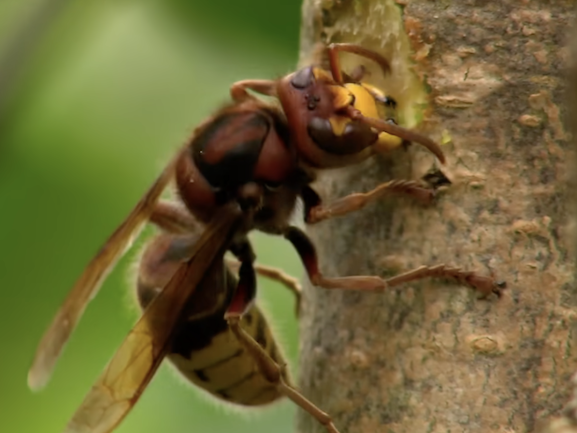
The absence of insects poses a severe threat to global ecosystems. Insects play a crucial role in pollination, soil fertility, and as a food source for various animals. Without them, plants fail to reproduce, soils degrade, and the food chain collapses, leading to a cascading effect on biodiversity.
Dr. Pockley’s observations are not isolated. A global decline in insect populations has been noted, with the widespread use of insecticides identified as a primary culprit. An Australian entomologist confirmed these concerns, stating,
‘Sadly, this is happening all around the world, and the general assumption is that the nearly unlimited use of insecticides is the main culprit. But as with climate change, the world seems to simply ignore this. It will be too late when there are no bees anymore to pollinate our crops… So, not a national but a global emergency!’
Scientific and Governmental Response
In July 2025, the Environment Institute of Australia and New Zealand (EIANZ) held an Insects in Crisis Symposium in Canberra, highlighting the severe decline in insect populations. Research presented by Professor John Woinarski estimated that nearly 150 insect species could become extinct by 2024.
This follows a 2022 pledge by Environment Minister Tanya Plibersek to prevent all new extinctions, yet insects remain largely overlooked in environmental impact assessments. The symposium’s communiqué emphasized the difficulty in quantifying insect losses, as less than half of Australia’s estimated 200,000 species have been formally described.
Challenges in Conservation Efforts
The decline in entomological expertise further complicates conservation efforts. Notably, Sylwester Chyb, an award-winning entomologist, was among those who faced professional challenges at the CSIRO, highlighting the broader issue of scientific marginalization. The communiqué states,
‘Quantifying insect population losses is difficult because fewer than half of the estimated 200,000 species have been formally described in Australia and Aotearoa, New Zealand.’
Moreover, successive government reductions in scientific research funding exacerbate the problem, limiting our understanding of insects’ ecological roles.
Historical Context and Modern Challenges
Rachel Carson’s seminal work, ‘Silent Spring,’ published in 1962, warned of the dangers of pesticide misuse. Her insights remain relevant as Australia faces its own systemic regulatory failures, as highlighted in the alarming 2021 State of the Environment report. The report revealed the poor condition of Australia’s environment and its leading mammal extinction rate.
Additional research points to artificial light and anthropogenic noise as factors disrupting insect populations. Meanwhile, land clearing, rising temperatures, and agricultural practices continue to drive insect declines. The widespread use of herbicides and insecticides, such as Glyphosate and neonicotinoids, further threaten non-target insects.
Environmental and Agricultural Practices
The impact of agricultural chemicals on insects is profound. The Australian Pesticides and Veterinary Medicines Authority (APVMA) identifies herbicides and insecticides as harmful to non-target insects, affecting their behavior, reproduction, and habitats. Glyphosate, for instance, disrupts the gut microbiome of some insects, while neonicotinoids and pyrethroids are linked to pollinator declines.
Healthy freshwater ecosystems are also crucial for insect life cycles. However, the NSW State of the Environment Report 2024 highlights poor river conditions in the Murray–Darling Basin, exacerbated by chemical runoff.
A Call to Action
The Insects in Crisis Communiqué calls for urgent reforms, yet its recommendations seem insufficient against the scale of the problem. Addressing insect decline requires reversing global warming, transforming agricultural practices, restoring natural habitats, and limiting harmful chemicals.
Despite the enormity of these challenges, individual and collective actions remain vital. As Rachel Carson noted, humanity stands at a crossroads, with the choice to preserve the Earth still within reach. Local actions, however small, contribute to a broader ecological approach.
In the words of Ross Perot,
‘The activist is not the man who says the river is dirty. The activist is the man who cleans up the river.’
This sentiment underscores the importance of proactive engagement in environmental conservation.
As we confront this crisis, the power of poetry and music can unite us, offering a shared voice in the face of adversity. It is time to listen to the poets and musicians, to find inspiration and connection in the fight to protect our planet’s biodiversity.