




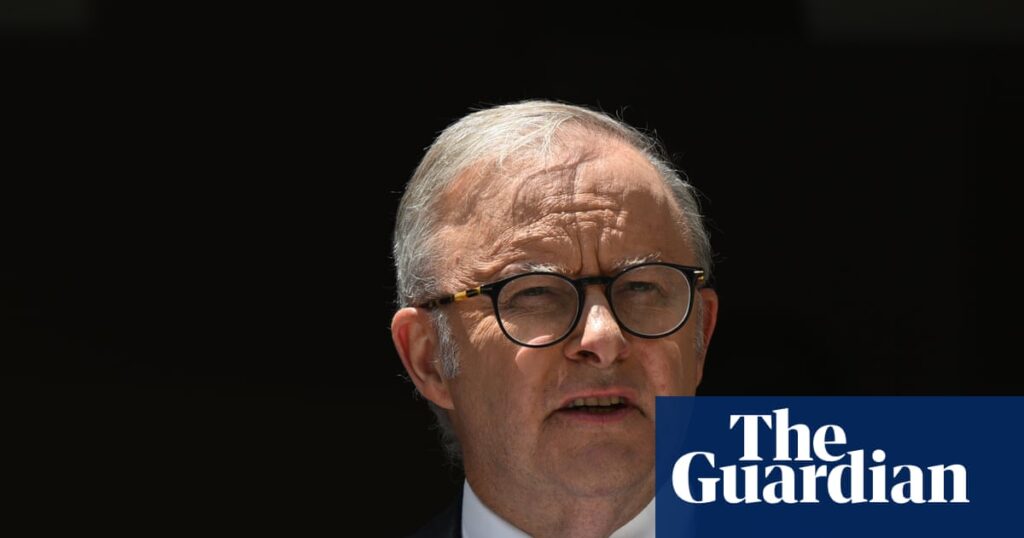
In a decisive move following the recent Bondi terror attack, Prime Minister Anthony Albanese has announced the recall of Parliament to expedite the passage of urgent legislation aimed at strengthening hate speech laws and implementing significant gun reforms. The legislative debate is set to commence next Monday, with Albanese seeking support from both the Coalition and the Greens for these critical measures.
The Prime Minister’s decision to bring Parliament back two weeks ahead of schedule underscores the urgency of the situation. The proposed legislation will encompass new hate speech and anti-vilification laws, alongside provisions for the most extensive gun buyback program since the Port Arthur massacre.
Comprehensive Legislative Measures
The government’s legislative package aims to address the dual threats of hate speech and gun violence. It includes the creation of a new racial vilification offence and the formal listing of prohibited hate groups, which will have a lower threshold than current terror group listings. Additionally, the legislation will factor in extremist motivations during sentencing, strengthen bans on prohibited symbols, and introduce a new offence for inciting hatred to intimidate or harass.
Home Affairs Minister will be granted new powers to cancel or refuse visas, and a formal scheme to list hate groups will be established. Albanese emphasized that the legislation is not intended to politically corner the Nationals and Liberals, who have historically opposed stricter gun ownership laws.
“The terrorists at Bondi Beach had hatred in their minds, but guns in their hands. This law will deal with both,” Albanese stated.
Political Reactions and Consultations
Parliament will convene for a two-day session on January 19 and 20, with condolence motions planned for the 15 victims of the Bondi attack. The government has initiated briefings with Jewish groups, opposition, and crossbench MPs, with the bill set to be publicly released tomorrow. The Parliamentary Joint Committee on Intelligence and Security will review the legislation before its introduction.
While Albanese refrained from confirming opposition support, he expressed confidence in the legislation passing the Senate by the evening of January 20. However, some Nationals MPs and One Nation have voiced opposition to the proposed gun laws, with states like Tasmania insisting on federal funding for the buyback scheme.
Attorney General Michelle Rowland described the laws as “the toughest hate laws Australia has ever seen,” targeting those who disrupt social cohesion. Rowland emphasized the legislation’s role in sending a clear message against such conduct.
Broader Implications and Future Steps
Albanese has denied accusations of rushing the legislation through Parliament, asserting that all parties will have a week to review it. Coalition MPs received briefings on Monday, and Albanese is scheduled to speak with Greens leader Larissa Waters.
The government has actively engaged with Jewish groups during the drafting process. Peter Wertheim, president of the Executive Council of Australian Jewry, welcomed the initiative, highlighting the need for effective reforms.
“This is a promising sign,” Wertheim said. “The country cannot risk another round of reforms that will fall short of providing the level of protection that it is claimed they provide.”
Opposition leader Sussan Ley expressed skepticism, warning against conflating distinct policy areas such as speech and firearm management. She criticized the Prime Minister for prioritizing political interests over national unity.
Meanwhile, One Nation MP and Nationals defector Barnaby Joyce called for the inclusion of a ban on burning the Australian flag in the new laws, arguing that such acts constitute hate speech.
Last week, Albanese announced a royal commission into antisemitism and social cohesion, reversing his prior opposition to a federal inquiry following significant public and political pressure. This development highlights the government’s commitment to addressing the root causes of division and ensuring a cohesive society.