World leaders have reacted with a blend of condemnation and caution following the dramatic capture of Venezuelan President Nicolas Maduro by the United States. The operation, ordered by US President Donald Trump, saw Maduro and his wife, Cilia Flores, detained and transported to the US. Trump announced the capture on Truth Social, posting an image of Maduro handcuffed and blindfolded aboard a flight to the US, and declared that his administration would oversee Venezuela until a “judicious transition” could be achieved.
The move has drawn support from key figures within the US government. Vice President JD Vance and Secretary of State Marco Rubio endorsed the military strike, while Attorney General Pam Bondi confirmed that Maduro and Flores face charges of narco-terrorism and cocaine importation conspiracy.
International Responses: Cautious Support and Strong Criticism
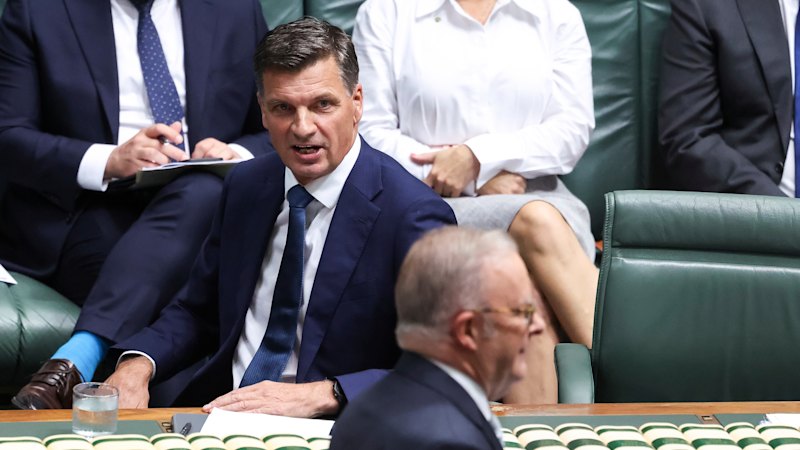
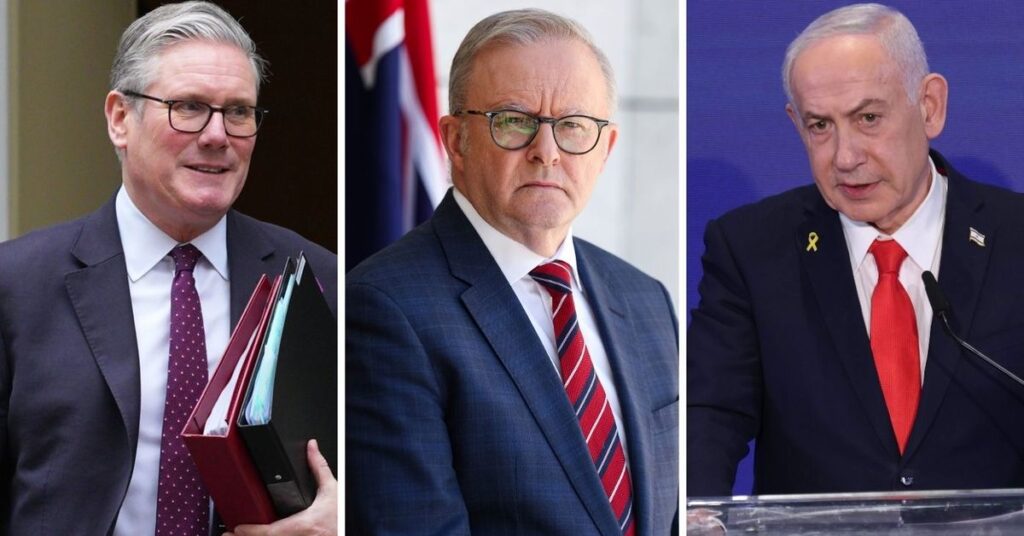
Globally, reactions have varied. Australian Prime Minister Anthony Albanese emphasized the importance of dialogue and diplomacy to maintain regional stability, stopping short of outright criticism of the US action. “Australia has long held concerns about the situation in Venezuela, including the need to respect democratic principles, human rights, and fundamental freedoms,” Albanese stated, reiterating support for a peaceful transition that reflects the Venezuelan people’s will.
In contrast, British Prime Minister Keir Starmer initially sought to “establish the facts” but later expressed support for a power transition in Venezuela, acknowledging Maduro as an illegitimate leader. French President Emmanuel Macron echoed similar sentiments, advocating for a peaceful and democratic transition under President-elect Edmundo González Urrutia.
German Chancellor Friedrich Merz urged caution, stating that his government would “take our time” to assess the situation, emphasizing the necessity of a government legitimized by elections to prevent political instability.
Strong Condemnation from Mexico, Spain, Russia, and China
However, the US action has not been without its detractors. The Mexican Ministry for Foreign Affairs condemned the military intervention as a violation of the United Nations Charter. Spanish Prime Minister Pedro Sanchez, while not recognizing Maduro’s regime, criticized the intervention as a breach of international law, urging respect for the UN Charter and a fair transition.
Russia’s foreign ministry labeled the operation an “act of armed aggression,” condemning the ideological motivations behind it. “Ideological animosity has prevailed over business pragmatism and the willingness to build relationships based on trust and predictability,” the ministry asserted, calling for dialogue to prevent further escalation.
China expressed its shock and condemnation, criticizing the use of force against a sovereign nation and its leader. “China is deeply shocked and strongly condemns the use of force by the US against a sovereign country,” a statement from the foreign ministry read.
Implications and Future Prospects
The capture of Maduro marks a significant escalation in US-Venezuelan relations, with potential ramifications for regional stability in South America. The international community remains divided, with some nations supporting a transition to democracy and others warning of the dangers of unilateral military actions.
As the situation unfolds, the focus will likely shift towards how the US plans to manage the transition in Venezuela and whether it can garner broader international support. The coming weeks will be crucial in determining the trajectory of Venezuela’s political future and the broader implications for US foreign policy in the region.
The world watches closely as the US navigates the complexities of international diplomacy and the challenges of ensuring a peaceful, democratic transition in Venezuela.