




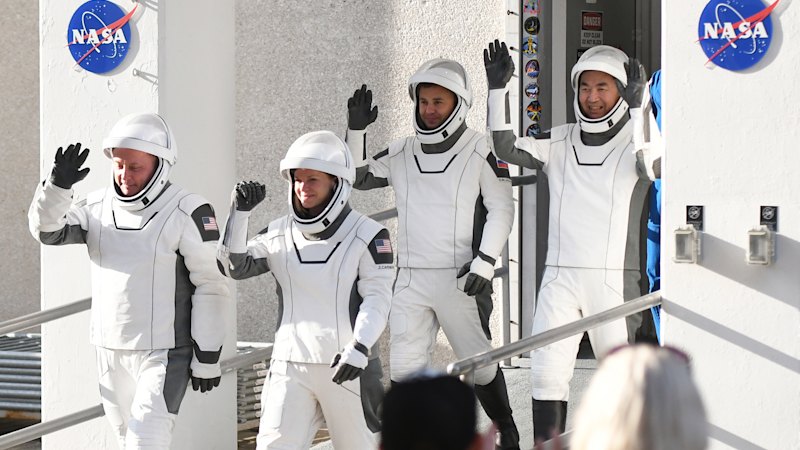
NASA is poised to conduct its first-ever medical evacuation from the International Space Station (ISS), marking a significant moment in space exploration history. The agency announced that an astronaut, suffering from an undisclosed medical condition, will be brought back to Earth ahead of schedule. This unprecedented decision underscores the challenges and complexities of ensuring astronaut safety in the harsh environment of space.
The early return is expected in the coming days and involves the Crew-11 mission, which launched in August. Originally planned for a six-month duration, the mission will now be shortened by over a month due to the health concerns. According to Dr. James Polk, NASA’s chief health and medical officer, the astronaut is currently stable. However, the nature of the ailment remains a concern that necessitates their return.
Unprecedented Decision in NASA’s History
This marks the first time NASA has had to cut short a crewed mission for medical reasons. The decision reflects the agency’s commitment to astronaut health and safety, even when it means altering mission timelines. “The capability to diagnose and treat this properly does not live on the International Space Station,” explained NASA administrator Jared Isaacman. The specifics of the medical condition have not been disclosed, respecting the astronaut’s privacy.
The Crew-11 team includes NASA astronauts Zena Cardman and Mike Fincke, Japan Aerospace Exploration Agency’s Kimiya Yui, and Roscosmos cosmonaut Oleg Platonov. The decision to return was made after NASA postponed a scheduled spacewalk on January 8, highlighting the urgency of the situation.
Operational Adjustments and Future Missions
In response to the early return, NASA and SpaceX are examining options to expedite the launch of Crew-12, the next mission to the ISS. Originally slated for a mid-February launch, the timeline may be adjusted to ensure a seamless transition of responsibilities on the space station. Typically, NASA prefers overlapping missions to facilitate a smooth handover of operations.
With Crew-11’s departure, the ISS will temporarily be home to two Russian cosmonauts and NASA astronaut Christopher Williams. “Chris is trained to do every task that we would ask him to do on the vehicle,” noted Amit Kshatriya, NASA’s associate administrator. This assurance underscores NASA’s preparedness for such contingencies.
Implications for Future Space Missions
The situation highlights the inherent risks of human spaceflight and the need for robust medical support systems. While the ISS is equipped to handle a variety of medical emergencies, certain conditions require more advanced care available only on Earth. This evacuation could lead to advancements in space medicine and influence future mission planning.
NASA’s proactive approach in managing the health of its astronauts sets a precedent for handling similar situations in the future. The agency’s ability to adapt and respond swiftly to unforeseen challenges is crucial as it gears up for more ambitious missions, including potential human exploration of Mars.
As the space community watches closely, the outcome of this medical evacuation could inform policies and procedures for future missions, ensuring the safety and well-being of astronauts as they venture further into the cosmos.