


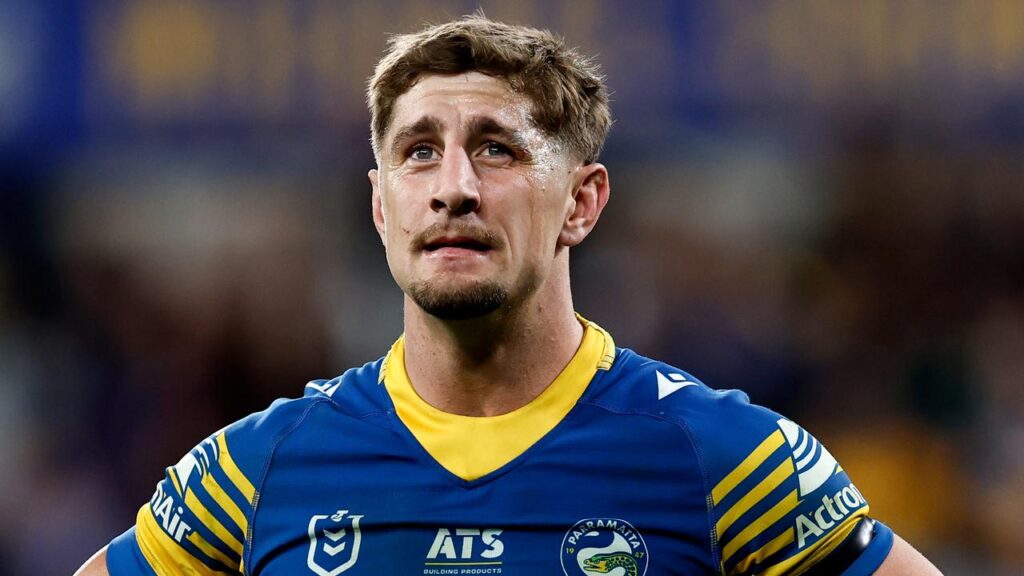
Melbourne Storm is facing intense criticism from rival NRL clubs over their efforts to sign Zac Lomax, who recently left Parramatta. The controversy reached a boiling point at a recent chief executives’ conference, where one club leader compared Lomax’s departure to the infamous exit of Sonny Bill Williams from the Bulldogs in 2008.
The Storm’s chief executive, Justin Rodski, encountered significant opposition as he attempted to justify why Lomax should be allowed to join his third club in as many years. The consensus among rival club executives was clear: the NRL should support the Eels and prevent Lomax from joining the Storm in 2026 without Parramatta’s explicit approval.
Comparisons to Past Controversies
South Sydney’s Blake Solly drew parallels between Lomax’s situation and Sonny Bill Williams’ controversial departure from Canterbury, which led to a five-year absence from the game before his return with the Roosters. Similarly, Gorden Tallis had to sit out a season during the Super League War after leaving St George for the Broncos.
Despite these precedents, there are calls for Lomax to be allowed back into the NRL immediately, even if the Eels oppose it, due to the collapse of the rebel rugby competition R360. This has sparked outrage among clubs and fans alike.
“It absolutely stinks,” one club executive remarked, emphasizing the frustration shared by many.
Contractual Obligations and Potential Resolutions
While no one disputes Lomax’s right to pursue rugby opportunities either domestically or overseas, the NRL’s decision on this matter could set a significant precedent. If the league allows Lomax to break his contract, it could undermine the integrity of player agreements across the sport.
Rodski argued that the Storm would not object if another club sought to sign Ryan Papenhuyzen, noting that no conditions were attached to his release. However, Parramatta imposed a condition on Lomax’s release, stipulating that he cannot play for another NRL club until 2029 without their permission.
Rumors suggest that the Eels might consider releasing Lomax if they receive a suitable deal, possibly involving a player swap with Jack Howarth and additional financial compensation.
Legal Implications and NRL’s Role
The situation could escalate into a legal battle, with some suggesting it might constitute a restraint of trade. Clubs are urging the NRL to stand firmly with Parramatta if this scenario unfolds.
Adding to the complexity, R360 boss Mike Tindall stated that their organization did not actively target NRL players, implying that Lomax or his agent approached R360 despite his existing contract with Parramatta.
“NRL players and their agents approached us,” Tindall told The Australian. “We didn’t go after them. We’re a rugby union competition.”
This revelation raises questions about Lomax’s accountability and whether he should address the situation with his agent, Clinton Schifcofske. The NRL faces a critical decision: whether to uphold contractual integrity or allow Lomax’s immediate return.
Potential Rule Changes and Broader Implications
Meanwhile, another significant topic emerged from the NRL chief executives’ meeting: a controversial change to the kick-off rule. The proposed adjustment would allow the team scored against to choose whether to kick off or receive the ball, a move that has sparked debate among coaches and fans.
While some, like Wayne Bennett, support the change to reduce momentum shifts in games, others argue that it could complicate the sport further. The proposal aims to address issues with the six-again restart rule, which has been criticized for creating unfair advantages.
“I saw too many games this year where it wasn’t bad defence that let some teams down,” noted commentator Matty Johns, highlighting the impact of questionable restart calls.
The NRL plans to test the new rule during trials to assess its effectiveness before making a final decision. As the league navigates these challenges, the outcomes will likely shape the future of player contracts and game regulations.