




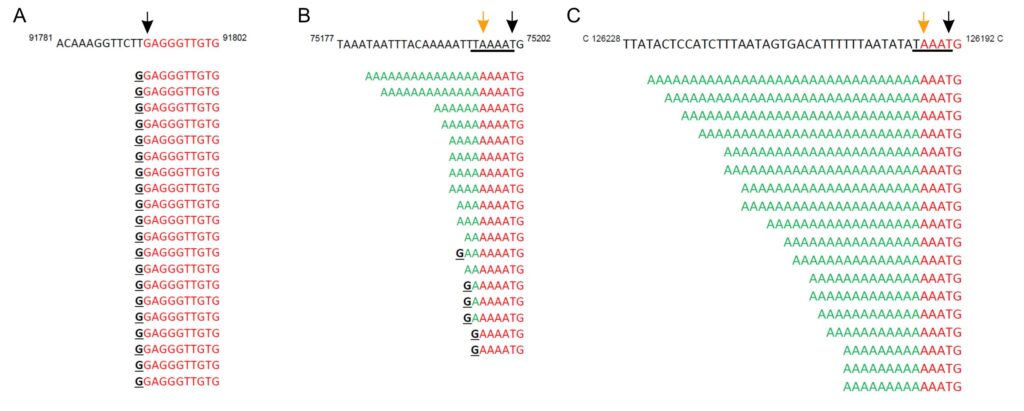
A groundbreaking study led by Václav Vopálenský and Martin Pospíšek from the Faculty of Science at Charles University has unveiled a surprising mechanism by which the vaccinia virus processes its genetic messages. Published in Nature Communications, the research reveals that the virus can produce substantial amounts of mRNA without the conventional protective “cap,” challenging long-held biological assumptions.
This discovery raises pivotal questions about the cellular mechanisms that interpret these “unmarked” genetic messages and whether this viral anomaly could be harnessed in the battle against viral infections. Traditionally, mRNA is likened to a letter containing instructions for protein synthesis, requiring a protective 5′ cap to ensure its delivery to the ribosome without degradation.
Rewriting the Textbook on Viral mRNA
The vaccinia virus, ironically, was instrumental in the initial discovery of the mRNA cap. The revelation that this same virus frequently dispatches its genetic instructions without such a cap is both unexpected and revolutionary. Researchers meticulously examined viral mRNA at the molecular level, discovering that while the virus adheres to conventional methods early in infection, it later shifts strategies.
During the intermediate and late stages of infection, the virus predominantly produces mRNA with a long chain of adenosines at the start, known as a poly(A) leader sequence, rather than a cap. The longer this sequence, the less likely the presence of a cap, with some viral genes showing almost entirely uncapped mRNA.
Implications for Viral Success and Host Takeover
The findings suggest that the vaccinia virus transitions from standard genetic information processing to an alternative, emergency mode, enabling it to synthesize proteins even when normal cellular functions are compromised. This strategic adaptation provides the virus with a significant advantage, akin to a hacker exploiting system vulnerabilities without needing official access credentials.
The study rewrites the long-held view of how viral mRNAs function and shows that even seemingly fundamental biological rules can have surprising exceptions.
Such insights into the virus’s ability to circumvent cellular defenses help explain the success of poxviruses in commandeering host cells. The research not only challenges existing paradigms but also opens avenues for exploring novel antiviral strategies.
Potential Applications and Future Research
Experts believe that understanding this unique viral mechanism could lead to innovative approaches in combating viral infections. By exploiting the vaccinia virus’s peculiarities, scientists might develop targeted therapies that disrupt its lifecycle without harming host cells.
Future research will likely focus on elucidating the cellular processes that allow ribosomes to interpret uncapped mRNA and the potential for other viruses to employ similar strategies. Additionally, the study prompts a reevaluation of the role of mRNA caps in viral and cellular biology.
As researchers continue to unravel the complexities of viral genetics, the vaccinia virus serves as a reminder that biology often defies expectations, offering both challenges and opportunities in the quest for scientific understanding and medical advancement.