




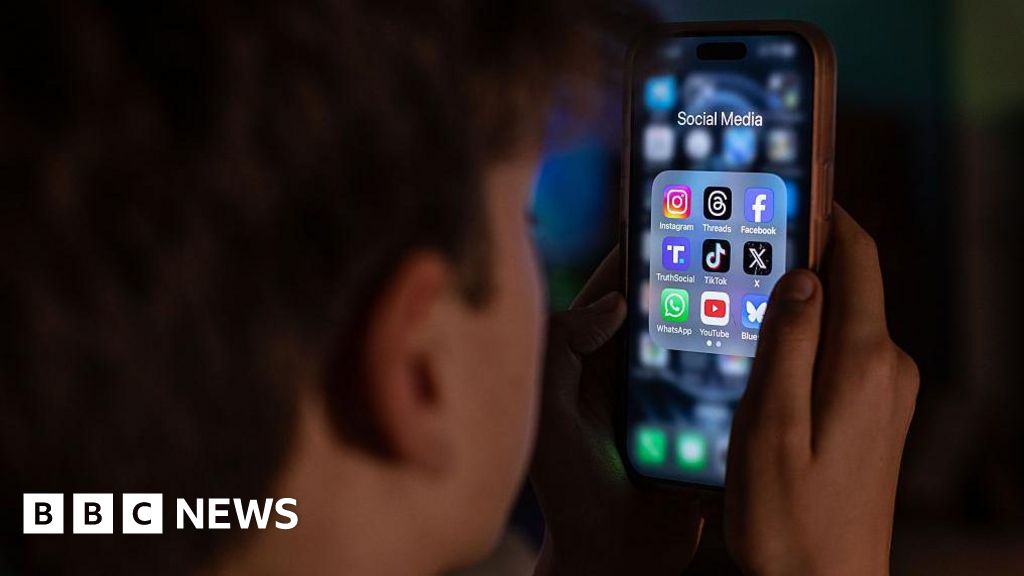
Meta has blocked approximately 550,000 accounts in the early days of Australia’s groundbreaking social media restrictions aimed at protecting children. The law, which took effect in December, mandates that leading social media platforms, including Instagram and Facebook, prevent Australians under 16 from creating accounts.
This legislative move is being closely monitored globally, as campaigners and the Australian government justify it as a necessary step to shield children from harmful content and algorithms. While companies like Meta acknowledge the need for enhanced online safety for young users, they continue to advocate for alternative measures.
“We call on the Australian government to engage with industry constructively to find a better way forward, such as incentivising all of industry to raise the standard in providing safe, privacy-preserving, age-appropriate experiences online, instead of blanket bans,” Meta stated in a blog update.
Meta’s Compliance and Industry Reactions
In its first week of compliance, Meta reported blocking 330,639 accounts on Instagram, 173,497 on Facebook, and 39,916 on Threads. The company suggests that age verification should occur at the app store level to reduce compliance burdens on both regulators and apps. Meta also advocates for parental approval exemptions, arguing that this approach would ensure consistent protections across platforms.
“This is the only way to guarantee consistent, industry-wide protections for young people, no matter which apps they use, and to avoid the whack-a-mole effect of catching up with new apps that teens will migrate to in order to circumvent the social media ban law,” Meta explained.
Meanwhile, other governments, from Florida to the European Union, are experimenting with similar restrictions. However, Australia’s law is the first to enforce such a high age limit and deny parental approval exemptions, making it the strictest globally.
Public and Political Reactions
The policy is widely popular among parents and has garnered international attention, with political parties like the UK’s Tories pledging to implement similar measures if elected in the next general election, expected before 2029. However, some experts express concerns about the ease with which Australian children might bypass the ban, either by manipulating age verification systems or turning to less secure online spaces.
Critics, including mental health advocates, argue that the ban could disconnect young people, particularly those from LGBTQ+, neurodivergent, or rural communities, potentially leaving them less prepared to navigate the digital world.
Implications and Future Considerations
The introduction of Australia’s social media ban for minors highlights a growing global trend towards stricter online safety regulations. As nations grapple with the balance between protection and freedom, Australia’s approach may serve as a test case for future policies worldwide.
Experts suggest that ongoing dialogue between governments and tech companies is crucial to developing effective, balanced solutions. The debate over age verification, privacy, and parental involvement will likely continue as stakeholders seek to refine strategies that ensure both safety and accessibility for young internet users.
As the situation evolves, the implications of Australia’s policy will be closely watched, potentially influencing legislative decisions in other countries. The challenge remains to create a safe online environment for minors without stifling their ability to connect and engage in the digital age.