



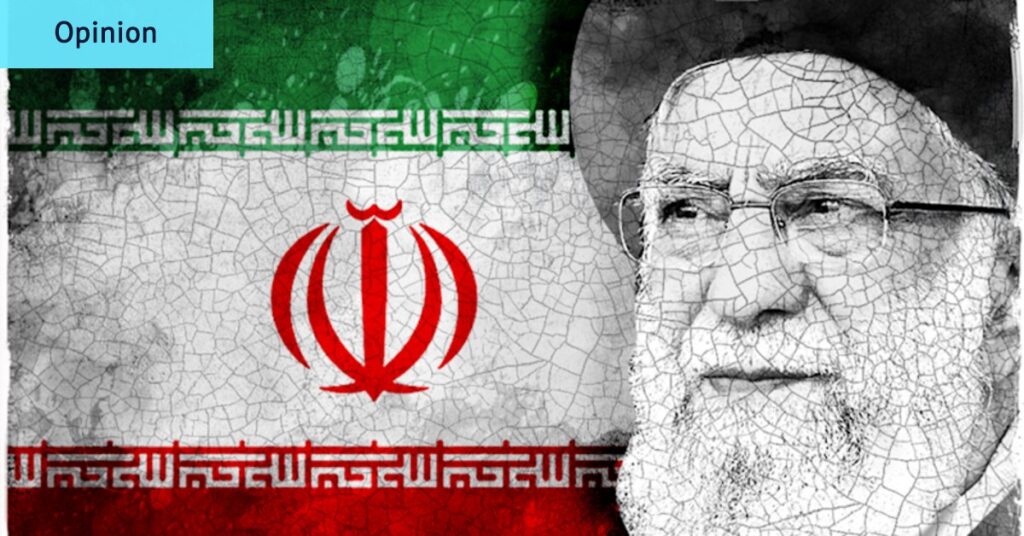
The Islamic Republic of Iran is experiencing what many experts believe to be its final, frenzied stages of decline. Recent miscalculations and a severe crackdown on dissent have pushed the regime to a critical point. Over the past few days, Iran has been shrouded in an almost total internet and communications blackout, yet disturbing reports continue to emerge. Images and clips reveal shocking scenes of bodies piling up in morgues, streets, and trucks. Although exact fatality numbers remain unverifiable, estimates suggest the death toll could reach thousands.
Among the deceased are numerous young people and children, with many more arrested and a wave of executions anticipated. The regime had already scheduled the hanging of 26-year-old protester Erfan Soltani, arrested on January 8, for Wednesday. This grim development underscores the desperation fueling both the protestors and the regime’s response.
Escalating Unrest and Historical Context
The current wave of protests differs markedly from previous movements, such as the “Woman, Life, Freedom” uprising of 2022-2023, which was sparked by the death of Mahsa Jina Amini in custody. That movement was characterized by hope and calls for gender equality and regime change. In contrast, the ongoing protests are driven by desperation, as many Iranians struggle with economic hardship exacerbated by government corruption and mismanagement.
The regime’s response has been increasingly violent. In contrast to past protests where security forces used crowd control measures like tear gas and rubber bullets, the current crackdown has rapidly escalated to live ammunition and military-grade weapons. The Revolutionary Guard and Basij militia have reportedly killed more protesters in recent days than during the entire 2022-2023 unrest, which saw over 500 deaths.
International Implications and Missteps
The Islamic Republic’s vulnerability is not only internal but also international. Ayatollah Khamenei’s public support for the October 7, 2023, massacre in Israel by Hamas, a group supported by Iran, has had significant repercussions. This event is being compared to the immolation of Mohamed Bouazizi in 2010, which ignited the Arab Spring and led to the fall of several regimes, including Iran’s ally in Syria, Bashar al-Assad.
Iran’s geopolitical missteps have further isolated it on the world stage. The 2025 war with Israel, which resulted in the destruction of Iran’s nuclear program and the assassination of key figures, exposed the regime’s weaknesses. Khamenei’s refusal to implement reforms or engage in genuine negotiations with global powers has left the regime isolated and vulnerable.
Economic Collapse and Future Prospects
Iran’s economy is in freefall, exacerbated by widespread corruption and mismanagement. The recent strikes by merchants and currency traders in Tehran’s bazaars have highlighted the populace’s discontent. As President Masoud Pezeshkian acknowledged, the citizens’ demands are legitimate, yet the regime’s brutal crackdown has only intensified the public’s outrage.
The Islamic Republic is moribund. The question is not if it will fall, but when, and in what manner. And, most tragically of all, how many brave and innocent lives will it destroy on the way out?
The collapse of the Islamic Republic seems inevitable, with the only uncertainty being the timing and the human cost. As Iran stands at this critical juncture, the international community watches closely, considering the potential ramifications for the Middle East and beyond.
Kylie Moore-Gilbert, a political scientist specializing in Middle Eastern studies at Macquarie University, provides a sobering analysis of the situation. As the author of “The Uncaged Sky: My 804 Days in an Iranian Prison,” Moore-Gilbert has firsthand experience with the regime’s repressive tactics and offers a unique perspective on its potential downfall.