
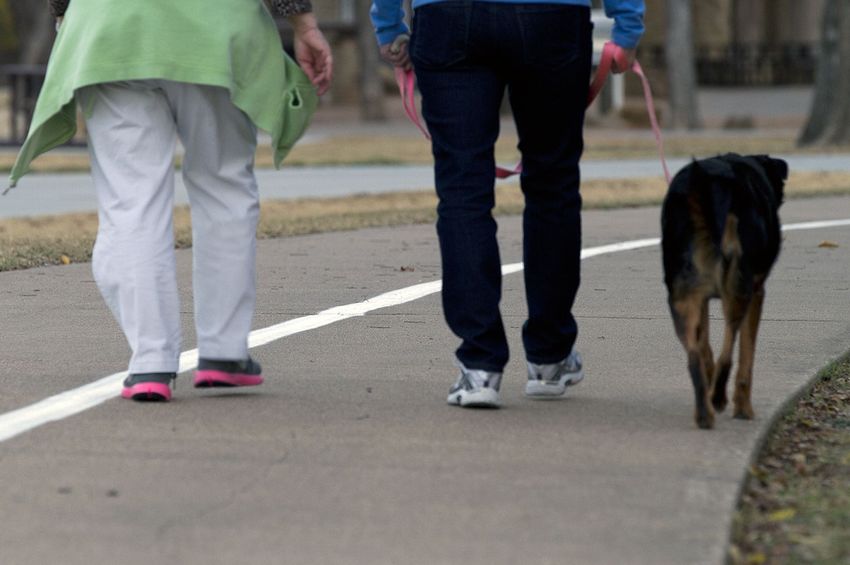
Light physical activity, such as walking or performing household chores, has been linked to a reduced risk of death among individuals suffering from cardiovascular-kidney-metabolic (CKM) syndrome. This revelation comes from a recent study published in the Journal of the American Heart Association, highlighting the potential benefits of light exercise for those with advanced stages of this complex health condition.
According to the research, an increase of just one hour of light physical activity per day is associated with a 14% to 20% decrease in mortality risk. This effect is particularly significant for individuals in stages 2, 3, and 4 of CKM syndrome, a condition that encompasses heart disease, kidney disease, diabetes, and obesity.
Understanding CKM Syndrome and Its Risks
CKM syndrome is prevalent among nearly 90% of U.S. adults, marked by high blood pressure, abnormal cholesterol levels, high blood sugar, excess weight, and reduced kidney function. These factors, when combined, significantly elevate the risk of heart attacks, strokes, and heart failure. The syndrome is categorized into stages 0 to 4, with higher stages indicating greater risk.
The study underscores the importance of light physical activity, which is the most common level of activity among adults. While moderate to vigorous exercise is often recommended, such intensity may not be feasible for those in advanced stages of CKM syndrome, making light activity a crucial alternative.
Research Methodology and Findings
Researchers utilized data from the 2003 to 2006 National Health and Nutrition Examination Survey (NHANES), which included health and physical activity information from approximately 7,200 adults. Participants’ activity levels were measured using accelerometers, and their health data determined their CKM syndrome stage.
“Light physical activity is something you can do without losing your breath,” said Joseph Sartini, B.S.E., a Ph.D. candidate in biostatistics at Johns Hopkins Bloomberg School of Public Health. “Common examples are yoga, casual walking, stretching, and household chores.”
The study found a significant association between light physical activity and reduced mortality risk in CKM stages 2, 3, and 4. For instance, increasing daily light activity from 90 minutes to two hours was associated with a 2.2% risk reduction in stage 2, compared to a 4.2% reduction in stage 4.
Expert Opinions and Future Research Directions
Dr. Michael Fang, an assistant professor of epidemiology at Johns Hopkins, emphasized the growing evidence supporting the benefits of lighter activities like walking or gardening for heart health. However, he noted that long-term benefits for those with heart disease or at high risk remain underexplored.
Bethany Barone Gibbs, Ph.D., FAHA, from West Virginia University, highlighted the importance of further research in this area.
“Light intensity activities provide a great opportunity to promote energy expenditure, movement, and circulation — all healthy physiological processes that we assume are related to better health — but research in this area is limited,” she said.
Despite the promising findings, the study’s observational nature limits its ability to establish causation. Researchers caution that while associations are evident, they cannot definitively conclude that increased light activity directly reduces mortality risk. Additionally, individuals with more advanced illness may naturally engage in less activity, skewing results.
Implications for Public Health and Lifestyle Changes
The study’s findings suggest that light physical activity could serve as an accessible and effective intervention for improving health outcomes in individuals with CKM syndrome. For those unable to engage in more strenuous exercise due to advanced illness, light activities offer a viable alternative to enhance longevity and quality of life.
As public health initiatives continue to emphasize the importance of physical activity, incorporating recommendations for light exercise could be particularly beneficial for populations at risk of CKM syndrome. Future research may further clarify the role of light activity in managing and potentially mitigating the impacts of this widespread condition.
The study’s co-authors, disclosures, and funding sources are detailed in the original manuscript, providing transparency and context for these significant findings.