



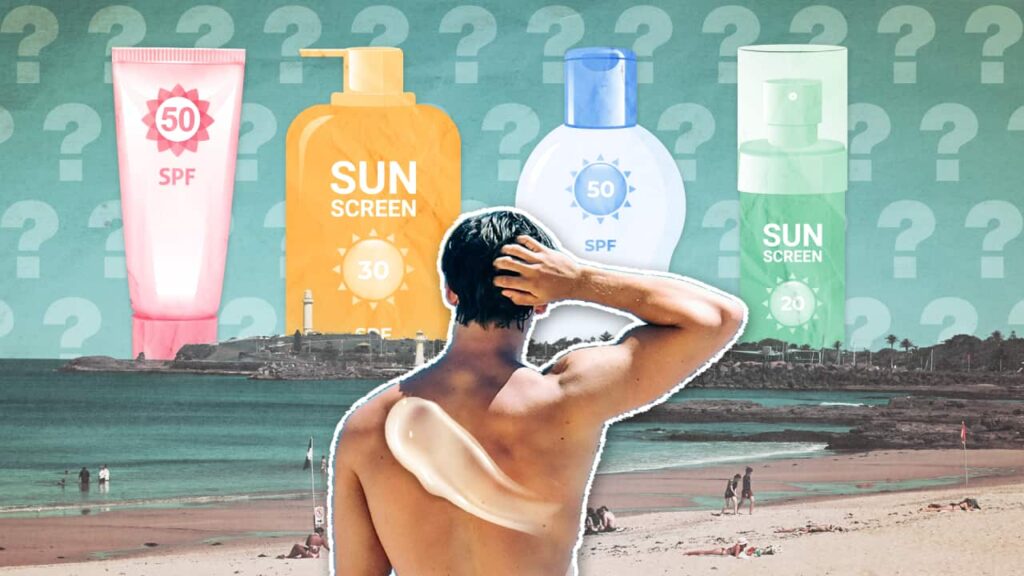
Online fears about sunscreen are proliferating, yet scientific consensus remains unchanged: sunscreen is safe and protective. This divergence between scientific evidence and public perception is causing concern among health professionals.
Just under half of Australian teenagers either mistakenly believe or are unsure if ingredients in sunscreen are harmful to their health, according to a survey by the Royal Children’s Hospital Melbourne. This misinformation is part of a growing anti-sunscreen movement online, where influencers claim toxic ingredients in sunscreens are more dangerous than UV exposure.
The Rise of Misinformation
In one viral TikTok video, a woman tearfully declares her intention to reveal “what they’re putting in our sunscreen,” suggesting these ingredients are harmful. Such videos have contributed to a growing skepticism about sunscreen use. Misinformation includes claims that sunscreen prevents vitamin D absorption, contains endocrine-disrupting chemicals, and even causes cancer.
Experts warn that these misconceptions could lead to decreased sunscreen use and potentially higher skin cancer rates. Professor Jane Hanrahan from the University of Sydney has noticed an increase in concerns about sunscreen among her students, despite teaching about its safety for nearly two decades.
Does Sunscreen Affect Vitamin D Levels?
A common claim is that sunscreen use hinders vitamin D production by blocking sunlight. A study by QIMR Berghofer found that people using SPF50+ daily were slightly more likely to be vitamin D deficient than those who used it less frequently. However, the study emphasized that sunscreen remains crucial for skin cancer prevention.
Professor Rachel Neale, lead investigator on the QIMR study, suggests considering vitamin D supplementation for those diligent about sunscreen use. The Cancer Council maintains that incidental sun exposure is typically sufficient for adequate vitamin D levels.
Do Sunscreen Ingredients Disrupt Hormones?
Claims that sunscreen contains “endocrine-disrupting chemicals” are also gaining traction. While some animal studies have shown potential effects, experts argue these findings are not applicable to humans due to the significantly lower doses in sunscreen use.
“What we’re getting in our bodies is going to be a very small, unconcerning dose,” said Michelle Wong, a science educator known as Lab Muffin Beauty Science.
Frederic Leusch, a toxicology expert, explained that the doses used in animal studies are unrealistically high. He emphasized the importance of understanding that “the dose makes the poison.”
Regulatory Context and Safety Measures
In July last year, the Therapeutic Goods Administration (TGA) reviewed common sunscreen ingredients and recommended reducing the maximum concentration of oxybenzone and homosalate. Despite these recommendations, current levels remain safe, according to experts.
“They really run on that sort of worst-case scenario and try to protect for the worst-case scenario,” Leusch noted.
Most sunscreens contain multiple active ingredients, reducing the concentration of any single chemical. The TGA plans to make a final decision on ingredient restrictions after public consultation in 2026.
Addressing Cancer Concerns
Some online narratives suggest sunscreen causes cancer, but experts strongly refute this. Wong emphasized there is “no real-world evidence that sunscreen has ever caused cancer in any person.” Concerns about the chemical 4-Methylbenzylidene Camphor (4-MBC) arose after a European Union ban, but Wong clarified this was due to insufficient data, not proven harm.
Leusch reiterated that failing to use sunscreen poses a greater cancer risk than any alleged chemical exposure from sunscreen itself.
The Importance of Sunscreen
Australia’s high skin cancer rates underscore the importance of sunscreen. At least two in three Australians will be diagnosed with skin cancer in their lifetime. A University of Sydney study found regular childhood sunscreen use reduces melanoma risk by 40%.
“Sunscreen is one of the best tools available for preventing cancer and maintaining skin appearance over time,” Wong stated.
She highlighted the benefits of sunscreen beyond cancer prevention, including reducing premature aging and improving skin conditions like acne and dark spots.
As misinformation continues to spread online, health professionals stress the importance of relying on scientific evidence to guide sunscreen use. The ongoing dialogue between regulatory bodies and the public aims to ensure continued trust in this essential health product.