



As individuals enter their 60s, 70s, and beyond, they often notice changes in their bodies, such as decreased steadiness or increased forgetfulness. While some of these changes are a normal part of aging, others can be minimized through healthy habits that maintain physical and mental well-being. Experts from Stanford Medicine emphasize that these decades are crucial for adopting practices that preserve independence, mobility, and cognitive sharpness.
Research indicates that lifestyle choices made during this period can significantly impact the aging process. Although reversing time is impossible, adopting beneficial habits can enhance independence, cognitive health, and quality of life well into the 80s and beyond. “It’s never too late to start,” asserts Abby King, PhD, a professor at Stanford Medicine, highlighting the potential for even inactive individuals to gain fitness and well-being through increased physical activity.
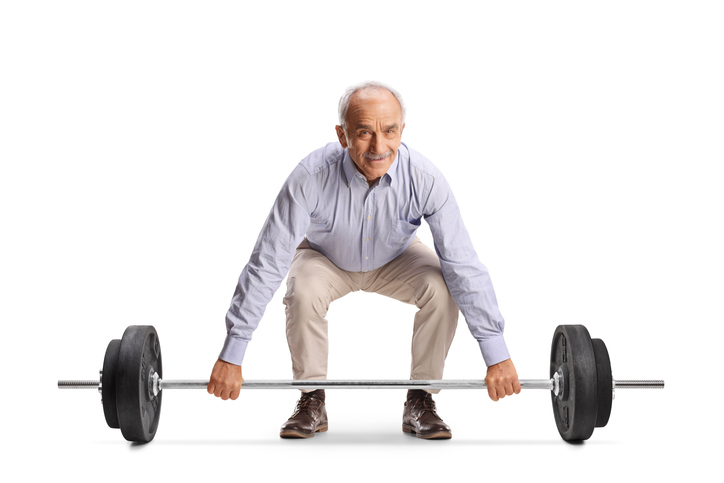
Strength and Power Training: The Key to Independence
Exercise for older adults is not just about fitness; it’s essential for daily functioning and quality of life. Simple activities, such as standing up from a chair without using hands or carrying groceries, can determine whether individuals live independently or require assistance. Silvia Tee, MD, a geriatrician at Stanford Senior Care, stresses the importance of integrating small movements into daily routines to combat muscle weakness that can quickly develop with age.
The U.S. Department of Health and Human Services recommends 150 minutes of moderate-intensity aerobic activity weekly, coupled with muscle-strengthening exercises at least twice a week. This doesn’t necessitate heavy weightlifting; activities like brisk walking, chair squats, and wall push-ups are effective alternatives. Michael Fredericson, MD, from Stanford Lifestyle Medicine, advises that lighter weights with more repetitions can yield similar benefits to heavier lifting.
“Research shows that aiming for at least 7,000 steps per day provides significant health benefits,”
notes Tee, suggesting that shorter walks throughout the day can be just as beneficial as longer ones.
Balance and Gait Training: Preventing Falls
Balance training is crucial in the 60s and 70s to prevent falls, a leading cause of injury and loss of independence among older adults. Simple exercises, like single-leg stands, can significantly enhance balance. Tee recommends starting with static balance exercises, such as standing on one leg while holding onto a countertop for support.
Fredericson emphasizes the importance of incorporating balance training into daily routines, suggesting pairing it with activities like brushing teeth to ensure consistency. “We should be doing it all the time,” he advises, to maintain stability and prevent falls.
Optimizing Nutrition for Strength and Independence
Nutrition plays a vital role in maintaining strength and independence as we age. Older adults require more protein and nutrients to counteract muscle decline, with research suggesting 1.0 to 1.3 grams of protein per kilogram of body weight daily. A Mediterranean-style diet, rich in whole foods, healthy fats, and lean proteins, is recommended for reducing the risk of chronic diseases.
Fredericson highlights the anti-inflammatory benefits of the Mediterranean diet, which is linked to reduced risks of heart disease and cognitive decline. King advises minimizing ultra-processed foods and focusing on whole foods for optimal health.
Keeping the Brain Sharp: Cognitive and Social Engagement
Cognitive decline is a major concern for older adults, but many risk factors are modifiable through lifestyle changes. Mental stimulation, such as puzzles and learning new skills, helps maintain cognitive function. Victor Henderson, MD, emphasizes the importance of mental engagement through activities like reading and meaningful conversations.
Social connections are equally vital, as they enhance cognitive function and memory. King stresses the importance of staying socially engaged through community groups, volunteering, or maintaining friendships, as these interactions keep the brain active and healthy.
Prioritizing Preventive Care and Monitoring
Preventive screenings become more personalized with age, and recommendations vary based on individual health and life expectancy. Tee explains that screenings like colonoscopies and mammograms are advised based on overall health and family history. Regular check-ups and screenings for blood pressure, cholesterol, diabetes, and bone density are crucial for early detection and management of potential health issues.
Annual physicals provide an opportunity to discuss health risks and goals with healthcare providers. King recommends home monitoring of certain health metrics, like blood pressure, to aid in treatment decisions, while cautioning against over-monitoring, which can cause anxiety.
Adopting these habits can significantly enhance quality of life and independence as individuals age, ensuring they remain vibrant and active well into their later years.