




Today marks 62 years since the United States government released a groundbreaking report that definitively linked smoking to lung cancer. On January 11, 1964, U.S. Surgeon General Luther Terry presented a comprehensive study that confirmed what many experts had long suspected: smoking posed a significant public health risk. This revelation prompted sweeping policy reforms and sparked a global movement against tobacco use.
The report’s release was a pivotal moment in public health history, marking the beginning of a shift in societal attitudes towards smoking. It provided irrefutable evidence that cigarette smoking was responsible for a 70% increase in the mortality rate among smokers, a statistic that underscored the urgent need for action. The findings galvanized governments worldwide to implement smoking bans and launch education campaigns aimed at reducing tobacco consumption.
The Impact of the 1964 Report
Before the report, anti-smoking campaigners faced an uphill battle against the powerful tobacco industry, which was thriving thanks to aggressive marketing strategies. However, the 1964 report gave these campaigners a powerful tool to advocate for change. In the United States, the report led to the introduction of warning labels on cigarette packages and restrictions on tobacco advertising.
Internationally, the report’s influence was equally profound. In Australia, for example, the report was covered extensively by the media. The Australian Broadcasting Corporation (ABC) highlighted the country’s heavy tobacco consumption, noting that Australians were among the world’s biggest spenders on cigarettes. At the time, Australia had a staggering 55 million-a-day smoking habit, fueled by substantial advertising investments from the tobacco industry.
Voices of Change
Prominent figures in science and medicine lent their voices to the anti-smoking cause. Respected Australian immunologist and Nobel laureate Sir Frank Macfarlane Burnet was among those calling for stricter controls on cigarette advertising. In a 1964 ABC news report, he emphasized the importance of preventing young people from starting to smoke, suggesting that abolishing advertising and enlisting athletes to speak out against smoking could be effective strategies.
“The most important thing, I think, is to stop young people from starting smoking cigarettes,” Sir Frank said. “What I would like to see is a good few of the well-known athletes coming out and saying cigarettes are no good for youngsters.”
Sir Frank also stressed the need for public figures to lead by example, highlighting the role of emotional appeal in conveying the dangers of smoking.
Public Reaction and Government Dilemmas
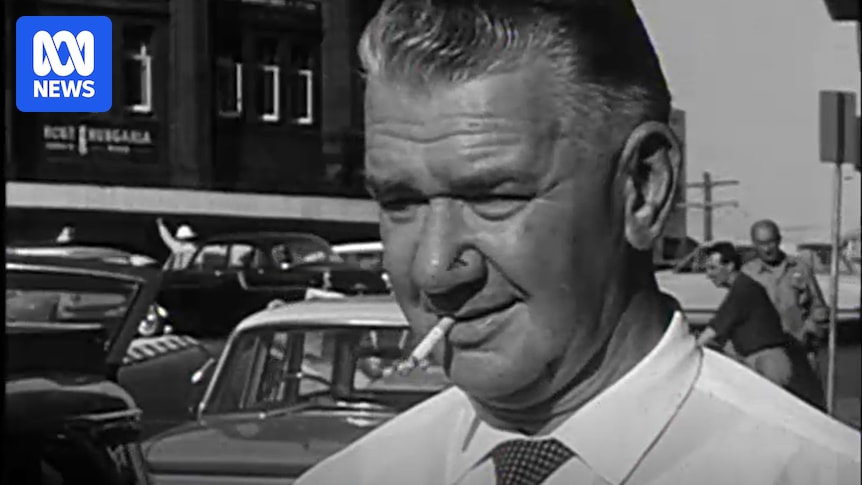
The public’s reaction to the report and subsequent anti-smoking campaigns was mixed. In a 1964 ABC news clip, Australians expressed a range of opinions. Some viewed smoking as a personal choice, while others likened tobacco to a deadly threat. One woman poignantly compared befriending a killer to continuing to smoke despite knowing the risks.
“If a burglar comes in to kill you, you wouldn’t be friendly with him, would you?” she asked. “Well, tobacco is a killer. So why keep it going?”
The Australian government faced a complex dilemma. On one hand, the tobacco industry was a significant economic contributor, particularly in states like Queensland, New South Wales, and Victoria. On the other hand, the government was responsible for promoting public health and funding anti-smoking initiatives. This conflict was highlighted in an ABC report that described the tension between supporting tobacco farming and advocating for smoking cessation.
Legacy and Continuing Challenges
The 1964 report set the stage for ongoing efforts to combat smoking-related health issues. While significant progress has been made, challenges remain. Smoking rates have declined in many countries, but tobacco use continues to pose a major health threat globally. Public health campaigns, regulatory measures, and education efforts are crucial in maintaining the momentum initiated by the 1964 report.
As we reflect on the impact of this landmark report, it serves as a reminder of the power of evidence-based research in driving policy change and improving public health. The legacy of the 1964 report continues to influence anti-smoking efforts worldwide, inspiring new generations to pursue a smoke-free future.