



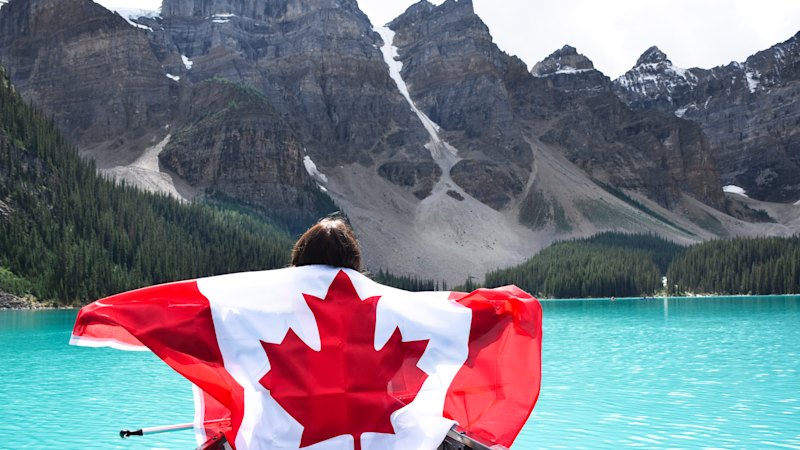
For months, many Canadians held onto the hope that Donald Trump had lost interest in incorporating their country as the 51st U.S. state. However, recent developments have reignited fears regarding Canadian sovereignty. The shock capture of Venezuelan President Nicolás Maduro and Trump’s increased rhetoric about seizing Greenland have sent ripples of concern through Canada, compelling citizens and officials alike to take the U.S. president’s past threats more seriously.
The Trump administration’s bold declaration that “THIS IS OUR HEMISPHERE” has made previous comments about annexing Canada seem less like mere insults or negotiating tactics and more like potential policy. This shift has prompted a national conversation about Canada’s defense capabilities and its geopolitical standing.
Rising Tensions and Military Concerns
A recent column in Canada’s largest national newspaper, which went viral, warned of the potential for “military coercion” by the U.S. against Canada. The authors advised learning from Finland’s defenses against Russia, expanding civil defense forces, and developing a national drone strategy inspired by Ukraine. “It’s all about changing the calculus,” said Thomas Homer-Dixon, a Canadian academic specializing in global security. “If there is an attempt to use military coercion against us, it needs to be clear that it’s going to be enormously costly.”
While Trump’s actions have unsettled leaders globally, Canadians face unique concerns. Trump’s interest in Greenland—a democratic, strategically located territory in the Arctic and part of NATO—parallels Canada’s own geopolitical significance. Wesley Wark, a former adviser to the Canadian government on security issues, described Trump’s moves on Venezuela and Greenland as “final wake-up calls for Canada.”
Canada’s Strategic Response
Prime Minister Mark Carney, who won office with a promise to stand up to Trump, has sought to diversify Canada’s trade relationships, notably with China, to reduce dependence on its southern neighbor. However, Carney has been careful not to antagonize Trump, even as he calls for respect of Greenland’s sovereignty.
Most analysts remain skeptical of a U.S. military invasion of Canada. “I still do believe that’s in the realm of science fiction,” said Stephanie Carvin, an associate professor at Carleton University. “But I do believe—now more than ever—that the United States is willing to cripple the Canadian economy in ways that suit the president’s whims.”
“The president now will be much more willing to engage in adventurism in a quest to dominate the western hemisphere.” — Associate Professor Stephanie Carvin
Internal Challenges and External Pressures
Canada’s military, with fewer than 100,000 regular and reserve forces, is not equipped for a more hostile world. The government is investing in new military equipment and boosting soldiers’ pay, but these measures will take years to materialize. Meanwhile, Alberta’s potential independence referendum adds another layer of complexity. Some separatists, dubbed “Maple MAGAs,” hope not only to leave Canada but to join the U.S.
Early polls suggest Alberta separatists are unlikely to succeed, but the referendum could invite foreign meddling. Homer-Dixon and Adam Gordon, a former legal adviser to Canada’s foreign affairs department, warn of “grey MAGA money” and disinformation campaigns potentially influencing the outcome.
Trade Tensions and Diplomatic Maneuvers
As Canada and the U.S. prepare to review the US-Mexico-Canada Agreement, tensions could escalate. The deal currently allows for tariff-free trade on 85% of Canada-U.S. exchanges, but Trump could leverage this to exert pressure on Canada. Ending the trade accord would be economically detrimental for both nations, but catastrophic for Canada, which sends nearly 70% of its exports to the U.S.
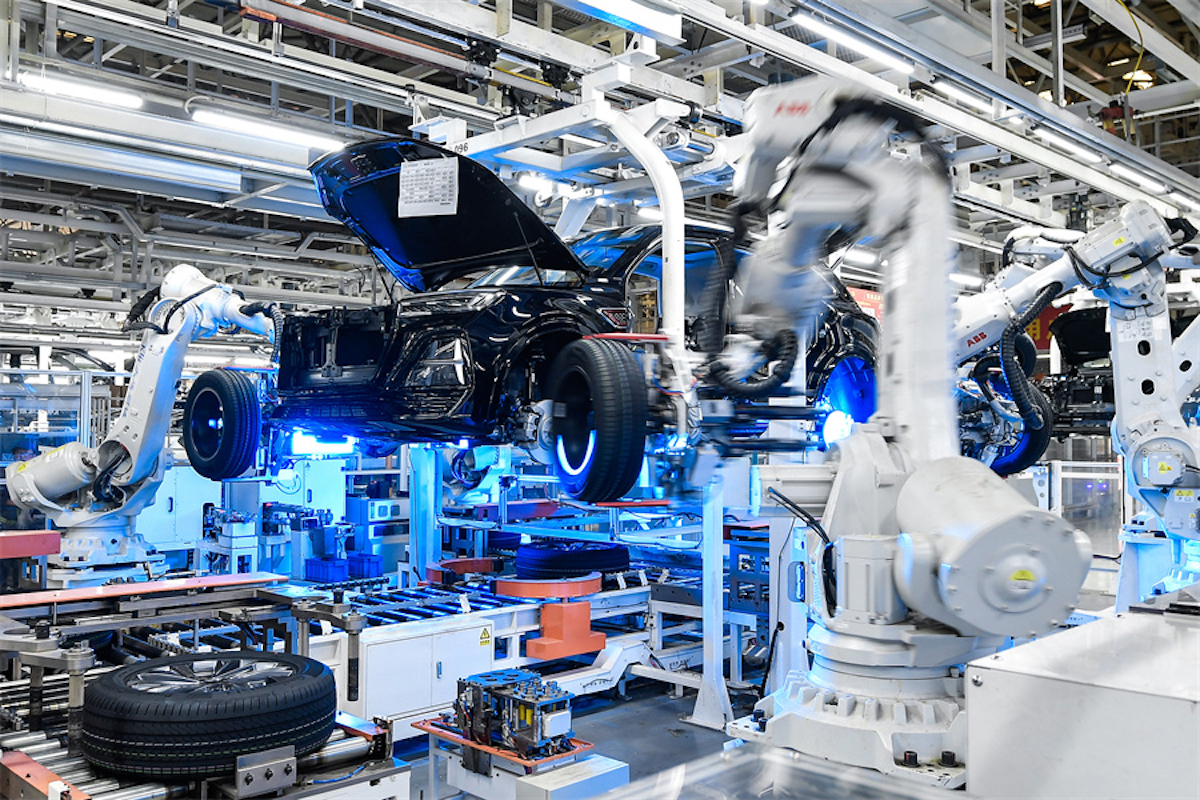
To mitigate this risk, Carney aims to double Canada’s exports to other countries within a decade. Despite previous tensions, Carney will visit China, marking the first such visit by a Canadian leader in nearly ten years. This diplomatic pivot underscores Canada’s efforts to build economic resilience.
Since taking office, Carney has worked to mend relations with Trump, removing counter-tariffs and addressing defense spending concerns. These steps reflect Canada’s strategic balancing act in navigating its complex relationship with the U.S.
As Trump’s attention oscillates between various global issues, Canada remains vigilant, aware that its sovereignty and economic stability hang in the balance.