




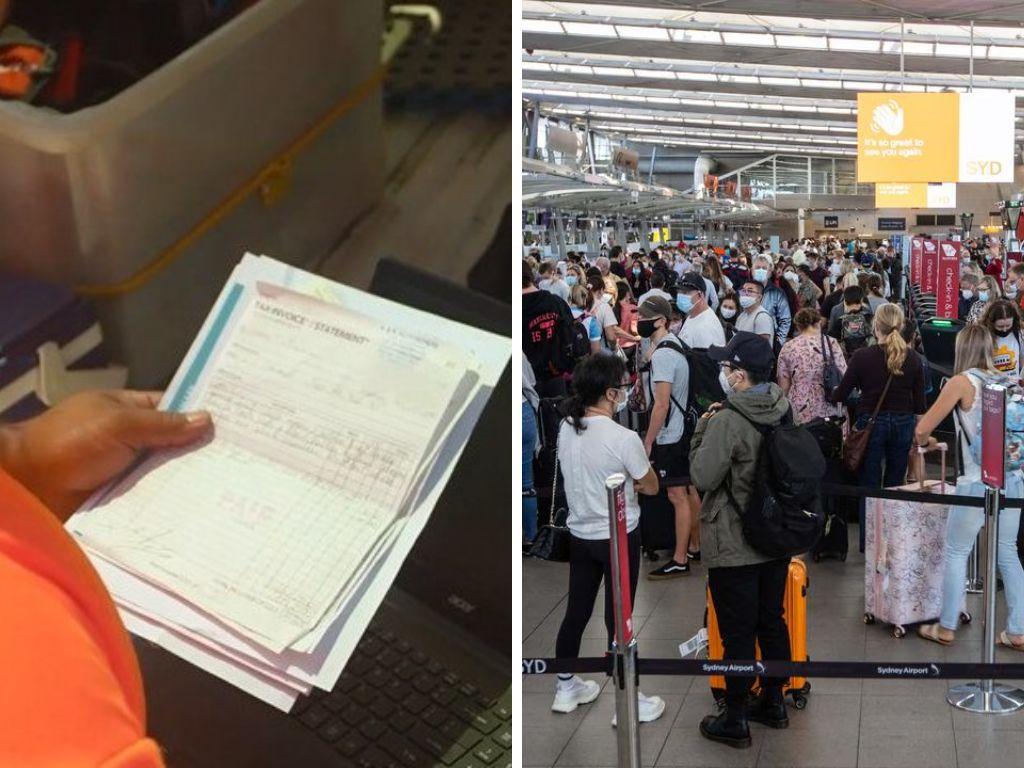
Taxpayers deliberately avoiding large tax debts are being stopped at airports across Australia as the Australian Taxation Office (ATO) intensifies its campaign to recover $50 billion in unpaid taxes. Since July 2025, the ATO has issued 21 departure prohibition orders (DPOs), surpassing the total issued during the entire 2024–25 financial year.
DPOs are a critical tool for the ATO, preventing individuals from leaving the country when they have the means to pay their debts but choose not to. This measure is particularly employed if there is suspicion that a taxpayer is attempting to “flee the jurisdiction” to avoid their financial obligations.
Understanding Departure Prohibition Orders
While any taxpayer can be affected by a DPO, the outstanding collectable debts often include employee superannuation, PAYG withholding from wages, and GST collected but not remitted—financial obligations frequently associated with business and property activities. The ATO has clarified that DPOs are issued based on unpaid debts and taxpayer behavior, rather than occupation or industry.
In addition to DPOs, the ATO employs other enforcement measures such as director penalty notices, garnishees, credit reporting referrals, and wind-up applications to ensure compliance and recover outstanding taxes.
Expert Opinions and ATO’s Stance
Assistant Commissioner Anita Challen of the ATO emphasized the seriousness of these enforcement actions. She warned taxpayers against prioritizing personal luxuries, such as holidays, over fulfilling their tax obligations and employee superannuation commitments.
“Taxpayers with significant debts to the ATO that think they can skip the country without paying what is owed to the community should think again,” Challen stated. “We think most Australians would expect businesses to pay their employees’ superannuation before they plan an overseas holiday.”
Challen further illustrated the gravity of DPOs by recounting an incident where a taxpayer was prevented from boarding an international flight in the early hours of the morning due to a DPO.
Implications for Businesses and Individuals
The ATO’s actions are part of a broader strategy to protect other businesses and employees from the repercussions of unpaid taxes. The agency warns that not paying taxes affects everyone, as businesses failing to meet their tax obligations often owe money to multiple creditors, thereby endangering other small businesses and their workforce.
Challen urged taxpayers unable to meet their obligations to engage with the ATO or consult their registered tax professionals early. She stressed that ignoring these obligations is not a viable option.
“If you have a significant debt with the ATO and we’ve issued you with a DPO, you’ll need to pay or make satisfactory arrangements to pay before planning your overseas travel,” she advised.
Looking Forward: The Future of Tax Compliance
The ATO’s crackdown on tax evasion through travel bans reflects a growing trend among tax authorities worldwide to use stringent measures to ensure compliance. This approach not only aims to recover unpaid taxes but also serves as a deterrent to potential evaders.
As the ATO continues to refine its enforcement strategies, taxpayers are encouraged to maintain transparency and timely communication with the agency to avoid severe penalties. The move represents a clear message that tax compliance is a priority for the Australian government, with significant implications for both individuals and businesses.
With the global economic landscape becoming increasingly complex, the ATO’s actions underscore the importance of adhering to tax laws and the potential consequences of non-compliance. As the agency continues to monitor and enforce tax obligations, the emphasis remains on protecting the financial integrity of the nation and ensuring a fair system for all taxpayers.