




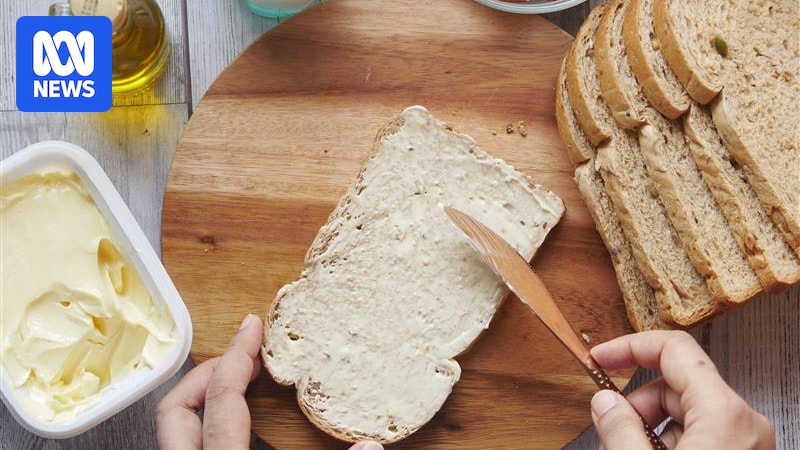
The supermarket shelves are lined with an array of options when it comes to butters and spreads. Many consumers have strong preferences for butter, margarine, or nut spreads, but which is truly the best choice for household use or health? We consulted experts to provide guidance on selecting the right spread for your diet.
Understanding the Differences
Dr. Emma Beckett, a food and nutrition scientist based in Newcastle/Awabakal, keeps all three types of spreads in her refrigerator. “I use them for different things, like baking, cooking, and eating,” she explains. “You might prefer the taste of butter, the health benefits of margarine, or the nuttier flavor of nut spreads; ultimately, the choice is yours.”
Butter is derived from milk, while margarine is made from vegetable or seed oils. Nut spreads, as their name suggests, are typically made from ground nuts such as peanuts, almonds, and cashews. The fat content varies among these options: margarine and nut spreads are rich in unsaturated fats, whereas butter contains saturated fats.
The Health Debate
Rebecca McPhee, an accredited dietitian at Diabetes Australia, highlights that a “high intake of saturated fat has been shown to increase cholesterol, which is linked to an increased risk of heart disease.” However, she emphasizes that butter, margarine, and plant-based spreads can all be part of a balanced diet when used sparingly and in conjunction with nutrient-dense whole foods.
Why Some Spreads Have a ‘Bad Rap’
Margarine has faced scrutiny over the years due to its processed nature and origin from seed oils, which have been criticized despite lacking substantial evidence. Dr. Beckett notes, “Margarines used to contain trans fats, which we now know are not good for us, but they’ve been removed in the current production processes.”
Ms. McPhee concurs, explaining that “early versions of margarine contained higher levels of trans fats that elevated low-density lipoprotein (LDL) levels,” commonly known as “bad” cholesterol. These versions also had a high omega-6 to omega-3 ratio, which has been linked to increased inflammation.
Dr. Norman Swan, a medically qualified journalist, warns that all spreads are calorie-dense: “If you’re consuming large amounts of margarine or butter, you’re likely to gain weight. A high-fat diet can lead to type 2 diabetes, primarily through increased abdominal fat, which also raises the risk of cancer and worsens outcomes if cancer is present.”
Health Benefits of Certain Spreads
Dr. Beckett prefers margarine due to her risk of developing high cholesterol. “Many margarines have plant sterols added, which offer significant health benefits,” she explains. Plant sterols, or phytosterols, naturally occur in all plant foods and inhibit cholesterol absorption in the gut, reducing blood cholesterol levels. She advises checking product labels, as not all margarines are high in plant sterols.
Nut spreads, such as 100% peanut or almond butter, are another nutritious option rich in unsaturated fats, especially those without added salt or sugar. Ms. McPhee states, “Spreads rich in beneficial mono and polyunsaturated fats, like olive oil, nut butters, avocado, or canola oil, are typically preferred by health professionals for heart health and managing metabolic conditions like type 2 diabetes.”
She recommends consulting a health professional, such as an accredited dietitian, to create a personalized eating plan that includes your preferred spread.
This article provides general information only. For personalized advice, consult a qualified medical practitioner.