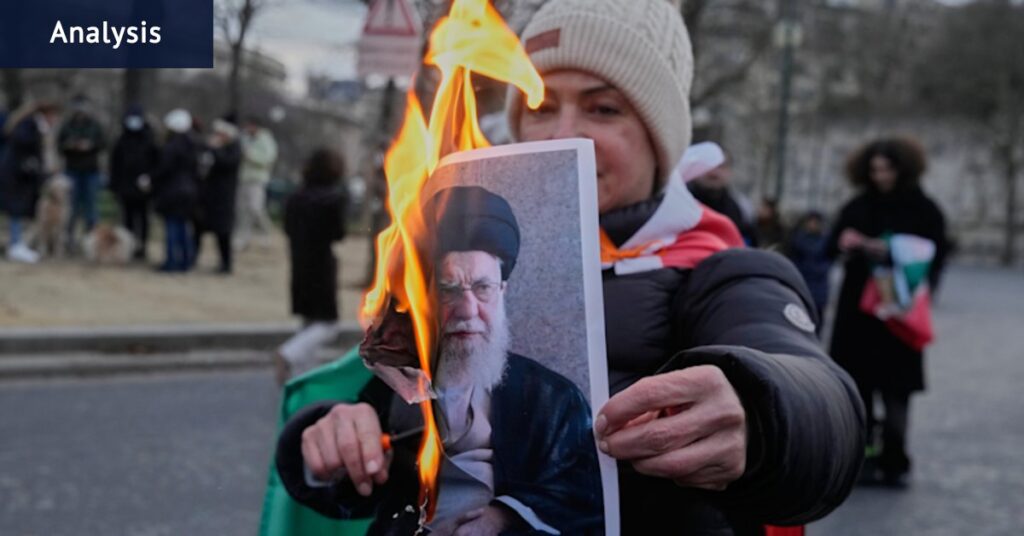
As protesters flood the streets of Iran night after night, leaders across the globe are confronting the potential upheaval of the Islamic Republic—a pivotal event that could reshape global geopolitics and energy markets. The regime of Supreme Leader Ayatollah Ali Khamenei has endured numerous protests over the years, yet the demonstrations that began two weeks ago are rapidly expanding. Reports indicate that hundreds of thousands have defied government threats and a severe crackdown, taking to the streets over the weekend from Tehran to numerous other cities across the nation of 90 million.
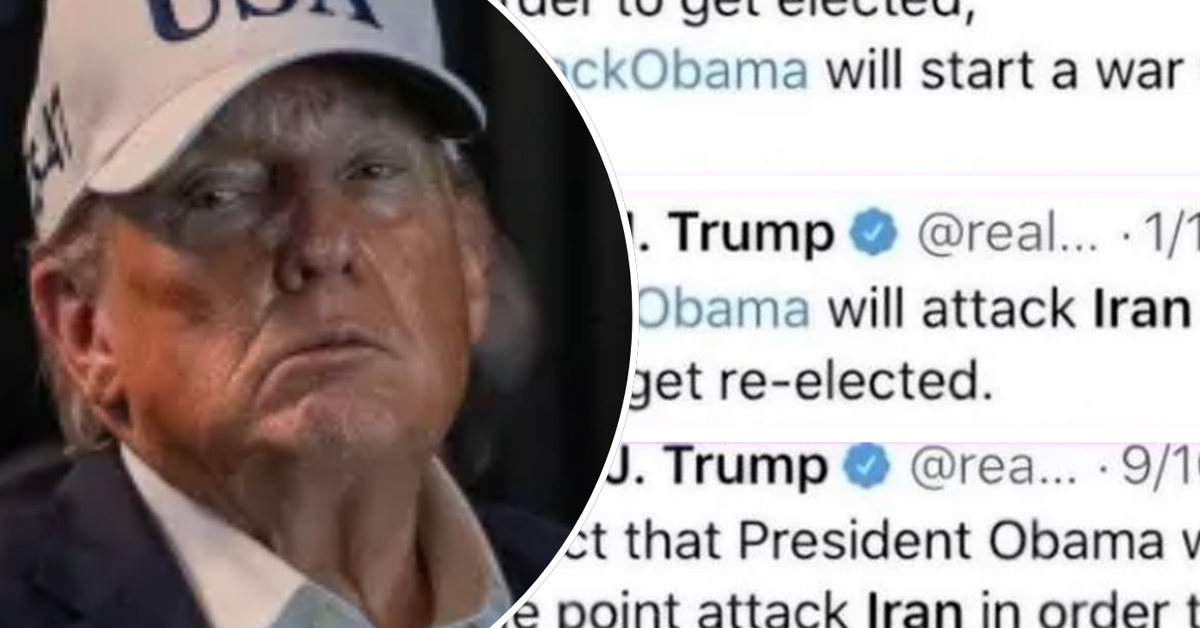
These protests are being encouraged by U.S. President Donald Trump, who has recently captured Venezuela’s former president Nicolás Maduro. In recent days, Trump has repeatedly threatened military action against Iran, suggesting a renewed American interest in regime change.
Global Reactions and Economic Implications
World leaders and investors are closely monitoring the situation. U.S. commanders have briefed Trump on military strike options, according to a White House official. Meanwhile, Brent crude prices surged over 5% on Thursday and Friday, exceeding $63 a barrel, as investors considered potential supply disruptions from OPEC’s fourth-largest producer.
“This is the biggest moment in Iran since 1979,” said William Usher, a former CIA senior Middle East analyst, referencing the revolution that established the Islamic Republic and altered the regional power balance.
Usher emphasized the regime’s precarious position, driven by economic challenges. “They have a narrowing window to reassert control and a diminished tool set to do it,” he added.
Humanitarian Concerns and Government Response
According to the U.S.-based Human Rights Activists News Agency, over 500 protesters have been killed, and more than 10,000 arrested in demonstrations initially sparked by a currency crisis and economic collapse, now also targeting the regime. Authorities have attempted to block internet and phone networks since Thursday to quell growing public outrage over government corruption, economic mismanagement, and repression. Many foreign airlines have canceled flights to Iran.
Trump’s warnings to Iran about potential U.S. strikes if peaceful protesters are harmed coincide with his broader assertion of U.S. power, which has included claiming Venezuela’s oil and threatening action against Greenland from Denmark, a NATO ally.
Regional and International Dynamics
Israel, which engaged in a U.S.-assisted 12-day air war against Iran in June, is closely coordinating with European governments regarding the situation, according to a senior European official. A potential regime collapse would also impact Russian President Vladimir Putin, who would lose another ally following Maduro’s fall and the overthrow of Syria’s Bashar al-Assad over a year ago.
Oil traders face significant stakes, though it remains unclear if Khuzestan, the main oil-producing province, has experienced unrest. So far, there are no signs of reduced crude exports. Reza Pahlavi, the exiled son of the former shah, has called on petroleum workers to strike, reminiscent of the 1978 oil strikes that contributed to his father’s monarchy’s downfall.
“The market’s focus has now shifted to Iran,” said Arne Lohmann Rasmussen, chief analyst at A/S Global Risk Management. “There is also growing concern that the U.S., with Trump at the helm, could exploit the chaos to attempt to overthrow the regime, as seen in Venezuela.”
Potential Outcomes and Future Scenarios
The White House is buoyed by recent successes against Maduro and Iranian nuclear facilities, with increasing pressure on Denmark regarding Greenland. However, Trump has historically opposed U.S. adventurism in the region, considering the chaos following Saddam Hussein’s ousting in Iraq.
“The best outcome would be a complete change in the government. The worst outcome would be continued internal conflict,” said Mark Mobius, a veteran emerging markets investor.
Arab leaders in the Gulf Cooperation Council (GCC) are wary of a potential power vacuum. While often adversarial towards Iran, GCC members have sought improved ties to prevent Tehran from retaliating against Israeli or U.S. military actions. The specter of the Arab Spring, where dictators fell only for chaos to ensue, remains a concern.
Iran has warned that U.S. assets in the region and Israel would be “legitimate targets” if attacked. Despite economic struggles, Iran retains a sophisticated arsenal of ballistic missiles and the support of the Islamic Revolutionary Guard Corps.
“With the GCC reconciliation with Tehran, there’s a sense of better the devil you know rather than complete chaos,” said Ellie Geranmayeh of the European Council on Foreign Relations.
U.S. and Israeli strikes might even bolster the regime, reducing the protest movement’s appeal. Bloomberg Economics analyst Dina Esfandiary predicts the Islamic Republic might not survive in its current form by the end of 2026, possibly leading to a leadership reshuffle or an IRGC coup, which could offer greater social freedom but less political liberty.
Conclusion: A Nation at a Crossroads
On Sunday, President Masoud Pezeshkian offered condolences to families affected by the unrest, urging unity on state TV. However, many protesters remain skeptical, as the supreme leader and security forces continue to threaten severe reprisals.
“I don’t think a collapse of the regime would be pretty,” Usher warned. “Short-term, I could imagine some fracturing of the country as ethnic minority groups and some provinces pursue autonomy from Tehran.”
As Iran stands at a crossroads, the potential for significant change looms large, with implications that could reverberate far beyond its borders.