


In a world constantly reshaped by innovation, the anxieties surrounding technological change are nothing new. As families gather over the holidays, discussions often turn to the “good old days,” when life was simpler and technology less pervasive. Yet, the very devices we now consider essential, like smartphones and social media, are relatively recent inventions. Many young people today are astonished to learn that there was a time when making a phone call required the assistance of a telephone operator.
The Industrial Revolution, which began in the late 1700s, marked a significant shift from small-scale hand production to factory-driven mass production. This transformation was just the beginning. The late 1800s saw further upheaval with the introduction of running water, electric power, and motor vehicles, all of which dramatically altered daily life. Since then, innovation has been a constant, often met with skepticism at its inception.
The Reluctance to Embrace New Technologies
Historical resistance to technological advancements is well-documented. In 1903, investors were advised against investing in Ford Motor Company with the belief that, “The horse is here to stay; the automobile is only a novelty.” Similarly, during the 1920s and 1930s, while money continued to flow into railways, commercial aviation was dismissed by many. A Harvard economist famously declared in 1937 that no sane person would choose flying over train travel.
Entertainment and communication have also faced skepticism. In 1927, Harry Warner of Warner Brothers questioned, “Who the hell wants to hear actors talk?”—a sentiment that now seems laughable. Two decades later, Hollywood producer Darryl Zanuck predicted, “Television won’t last because people will soon get tired of staring at a plywood box every night.” Yet, these “plywood boxes” have become integral to global connectivity and entertainment.
Old ways of thinking often persist. In 1977, Ken Olsen, founder of Digital Equipment Corporation, asserted, “There is no reason anyone would want a computer in their home.” Despite his pioneering status, Olsen was trapped by the assumptions of his era.
From Household Gadgets to Digital Revolution
Even the humble dishwasher faced criticism upon its introduction over 60 years ago. Critics feared it would erode family bonding time traditionally spent washing dishes together. Advertisers countered by highlighting that dishwashers could actually free up time for families to engage in more meaningful activities. They were right.
The evolution of home entertainment is another testament to technological progress. The arrival of color television was soon followed by personal video cameras and the ability to record TV programs. The fierce rivalry between VHS and Betamax formats eventually became obsolete as digital recording technology advanced.
Music consumption has also undergone radical changes. From vinyl records and gramophones to compact discs and now digital streaming, the formats have evolved, but the joy of music remains unchanged. Today, millions of songs can be streamed instantly on devices like the iPhone.
The Digital Age and the Rise of AI
The internet, introduced to the public in the early 1990s, revolutionized information access and communication. Email made communication instantaneous, transforming expectations in both personal and professional spheres. The advent of mobile phones further accelerated this change. Early models were bulky, but the very concept of mobile communication was revolutionary. Even after the iPhone’s launch in 2007, many believed BlackBerry would dominate due to its physical keyboard, a belief proven wrong as Apple spearheaded the smartphone revolution.
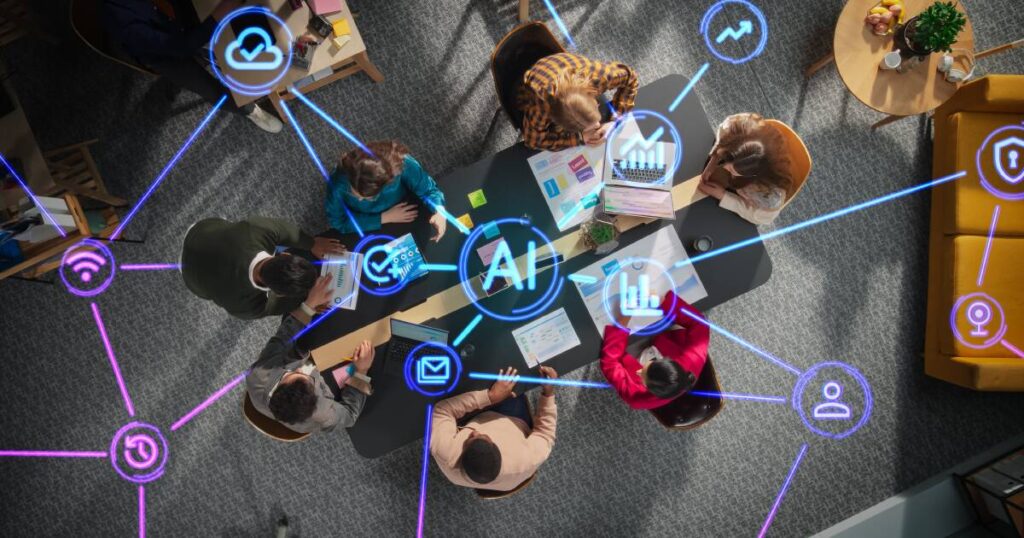
Today, the focus is on artificial intelligence (AI), which is rapidly becoming a cornerstone of technological advancement. Companies like Tesla, Palantir, and Microsoft lead the charge, with AI innovations primarily emerging from the United States. Investing in these technologies can be challenging, but international share funds or balanced super funds offer viable options for investors.
AI is already the world’s fastest-growing user of energy, and while some jobs may disappear, history suggests they will be replaced by new opportunities.
Despite fears of AI “taking all the jobs,” many developed economies face labor shortages due to declining birth rates. In this context, such fears appear overstated. However, AI’s potential as a tool for scammers cannot be ignored. Fake websites, cloned voices, and convincing messages are increasingly prevalent. Vigilance is crucial: never respond to unsolicited calls or click on unexpected links. If something seems too good to be true, it often is.
As we navigate the complexities of innovation and AI, the lessons of history remind us that while change can be unsettling, it also brings opportunities for growth and advancement. Embracing these changes with caution and awareness will be key to thriving in an ever-evolving world.