




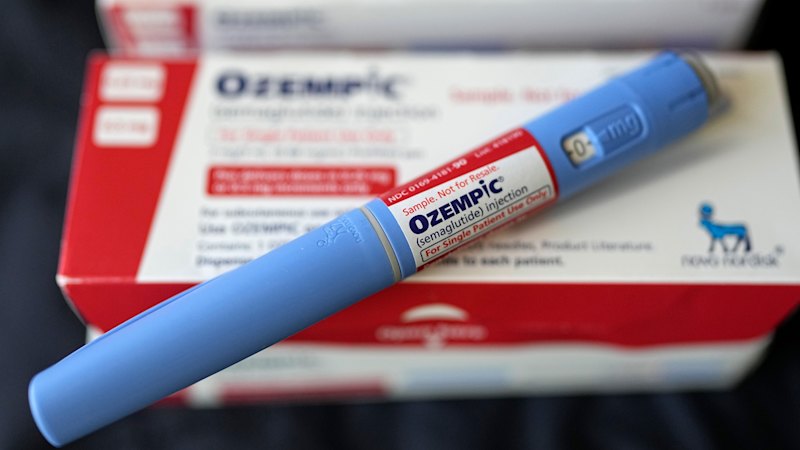
January 8, 2026 — A new study has revealed that individuals prescribed a novel class of weight loss drugs must continue their use indefinitely to maintain health benefits and prevent rapid weight regain. The findings, published in the British Medical Journal, indicate that the positive effects on heart and metabolic health from drugs such as Ozempic, Wegovy, and Mounjaro dissipate once the medication is discontinued.
The research, conducted by Oxford University, highlights that stopping these medications leads to a swift return of lost weight, with users regaining an average of 400 grams each month. The study, a meta-analysis of 37 studies involving 9,341 participants, underscores that weight regain occurs almost four times faster than with traditional diet and exercise methods.
Understanding the Role of GLP-1 Agonists
The drugs in question belong to the glucagon-like peptide-1 (GLP-1) receptor agonists family. They mimic a natural gut hormone, aiding in insulin release, slowing stomach emptying, and reducing appetite. This mechanism not only facilitates weight loss but also offers protective benefits for the heart, kidneys, and liver.
According to Sydney University endocrinologist Associate Professor Samantha Hocking, the study’s findings align with expectations. “Obesity, like high blood pressure and cholesterol, is a biological condition,” Hocking explained. “When we lose weight, our bodies increase hunger hormones and decrease satiety hormones, driving increased appetite and hunger.”
Implications for Health Policy and Patient Care
The study’s implications extend beyond individual health, affecting public health policy and treatment paradigms. Associate Professor Dominika Kwasnicka, a behavioral scientist at the University of Melbourne, emphasized the need for integrated care models. “These results support embedding pharmacotherapy within comprehensive, long-term care models that include behavioral support and realistic treatment duration discussions,” Kwasnicka stated.
Despite the high cost of these medications—up to $700 per month in Australia—patients often discontinue use within the first year, highlighting the necessity for sustained treatment strategies.
The Future of Obesity Treatment
Professor Garron Dodd, head of the metabolic neuroscience laboratory at the University of Melbourne, noted that while GLP-1 drugs have transformed obesity and type 2 diabetes treatment, they are not a panacea. “They are an exciting start,” Dodd remarked. “The focus now is on understanding why the body defends its weight and developing sustainable treatments that reshape how the brain interprets energy balance.”
“A recent trial showed that continuous use of semaglutide over four years reduced major cardiovascular disease events in individuals with existing cardiovascular disease,” the study authors noted.
The ongoing research aims to create combination therapies that address both biological and behavioral aspects of weight management, promising a more holistic approach to obesity treatment.
As the medical community continues to explore these avenues, the conversation around obesity therapeutics remains one of the most dynamic and promising fields in science today.