
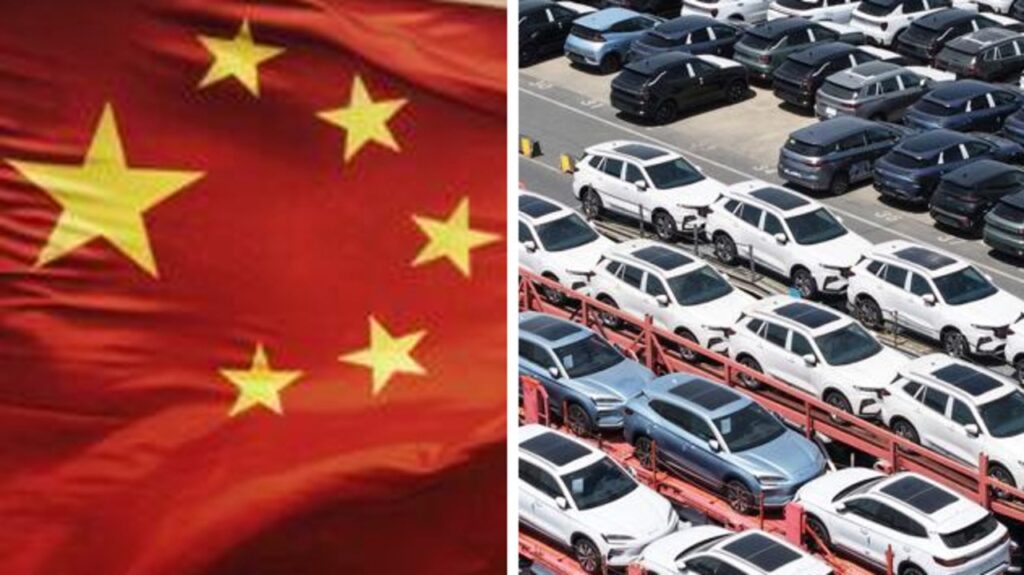
Australia’s automotive landscape is on the brink of a significant transformation, with projections indicating that the number of car brands available in the country will surge to 67 this year and expand further to 75 by 2031. This influx is set to make Australia one of the most competitive car markets globally, with China leading the charge in introducing new brands.
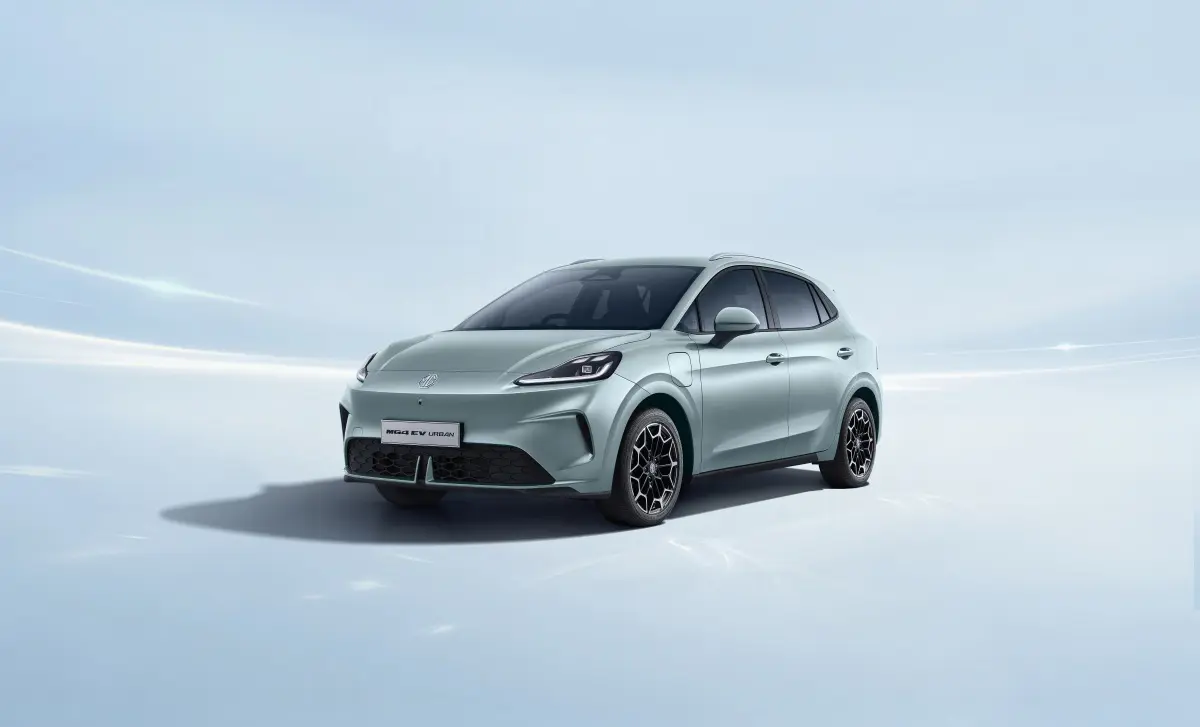
According to a report commissioned by the Australian Automotive Dealer Association (AADA) and prepared by automotive modelling firm Blue Flag, eight new brands are expected to enter the Australian market by 2026, contributing to a total of 28 new brands by the end of the decade. This rapid increase is primarily driven by Chinese manufacturers, including the state-owned Dongfeng group’s brand, Forthing, which plans to launch its electric SUV and people mover in Australia.
Chinese Brands Lead the Charge
The Australian market has already begun to feel the impact of this influx. Chinese electric vehicle brands such as XPeng and Leapmotor made their debut in late 2024, followed by GAC Motors in 2025. These newcomers are quickly gaining popularity among Australian consumers, thanks to their competitive pricing and advanced technology offerings.
Established Chinese brands like BYD and GWM have experienced a surge in sales, securing positions in Australia’s top 10 new car brands by 2025. Analysts estimate that Chinese brands currently account for 10% of Australia’s new car market, a figure expected to rise significantly as more brands enter the market.
“We are currently seeing an overflooding of the Australian market with new brands coming thick and fast,” said AADA chief executive James Voortman.
Australia as a Testing Ground
The AADA’s modelling suggests that Australia is becoming a testing ground for new brands, particularly electric vehicle manufacturers. The country’s favorable policy settings for electric vehicles make it an attractive market for global manufacturers looking to test their products with relatively low upfront investment compared to other Western countries.
Mr. Voortman noted, “These new brands see Australia as having very attractive policy settings that are geared for the supply of electric vehicles, where they can test their product in a western market with low upfront investment when compared to other western countries.”
Challenges and Consumer Impact
While the influx of new brands offers consumers more choices than ever before, Voortman warns that not all will survive the competitive landscape. He emphasizes the importance of value-based products that provide a quality experience, particularly in after-sales services.
“What is obvious is that not all these new, and even established brands, will be able to compete long term. Brands that cannot compete on that level will struggle,” he said.
The AADA’s warning comes as the Albanese Government seeks to bolster protections within the franchising sector. The association urges the government to swiftly implement its election commitment to prevent market consolidation from disadvantaging local franchisors.
Government Action and Industry Implications
The need for legislative action is underscored by a recent Federal Court decision involving Australian dealers and Mercedes-Benz AG, highlighting the vulnerabilities of local businesses against the power imbalances of global franchisors.
“After the recent Federal Court decision involving Australian new car dealers and Mercedes-Benz AG, we have seen that franchising laws will not protect against franchisors using their power imbalances to increase their profits at the expense of Australian businesses,” Mr. Voortman said.
The AADA is calling on the Federal Government to legislate its promised Unfair Trading Practice regime to protect franchised new car dealers, ensuring they have the confidence to invest in the transition to electric vehicles.
As Australia braces for an influx of new automotive brands, the market’s evolution will be closely watched by industry stakeholders and consumers alike, with the potential for significant shifts in consumer preferences and market dynamics.