




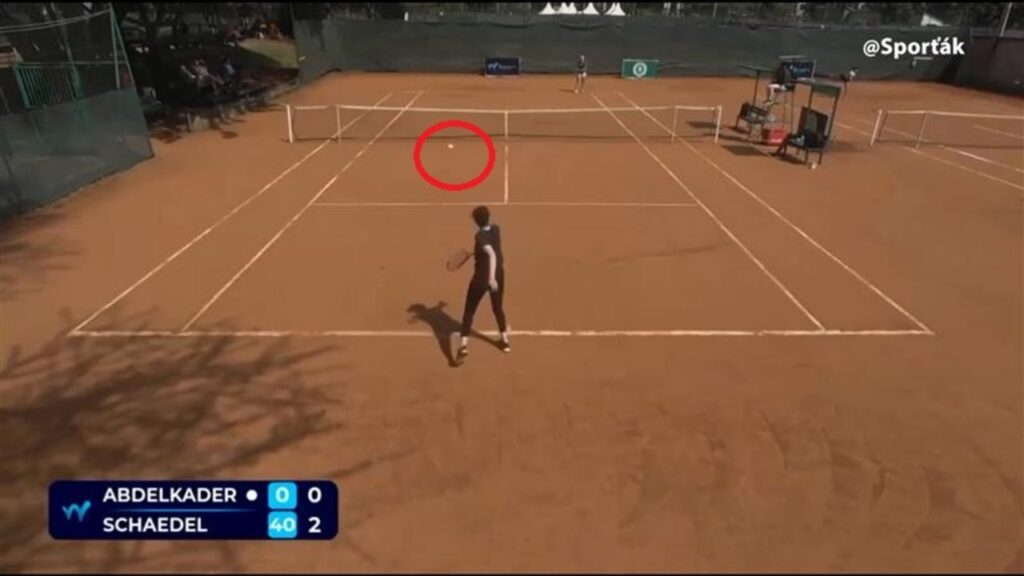
A recent match at the ITF Nairobi tournament has captured global attention, raising eyebrows and sparking discussion about the standards of professional tennis. In a surprising turn of events, World No. 1026, Lorena Schaedel, defeated her 21-year-old Egyptian opponent, Hajar Abdelkader, in a swift 6-0, 6-0 victory. The match, which took place earlier this week, saw Schaedel drop only three points, a performance that has since gone viral.
The match’s footage, widely circulated on social media, shows Abdelkader struggling significantly throughout the game. Her performance has led to questions about her readiness for professional-level play, as she appeared unfamiliar with basic tennis protocols and techniques. The umpire had to remind her multiple times about her positioning on the court, and she notably double-faulted on 20 out of her 24 service points.
Background and Context
Hajar Abdelkader’s entry into the tournament was unexpected. According to her ITF profile, this was her first-ever tour-level match, despite having played tennis for seven years. Abdelkader received a last-minute wildcard entry after a local Kenyan player withdrew from the competition. This opportunity, however, has sparked debate on whether wildcard entries should be more rigorously evaluated to maintain the integrity of professional tournaments.
The International Tennis Federation (ITF) often grants wildcards to players who may not have the ranking to qualify directly but show potential or have local significance. While this practice aims to promote inclusivity and provide exposure to emerging talent, Abdelkader’s case highlights potential pitfalls.
Social Media Reaction and Expert Opinions
The reaction on social media has been intense, with many users expressing disbelief at the level of play displayed. Some have criticized the ITF’s decision to grant Abdelkader a wildcard, suggesting that it undermines the competitive nature of the sport.
According to tennis analyst and former coach, John Simmons, “Wildcard entries are essential for the growth of the sport, but there needs to be a balance. Players should meet a certain standard to ensure the quality of matches remains high.”
“The three points Abdelkader won during the match were due to Schaedel’s double faults and an unforced error, highlighting the disparity in skill level,” said Simmons.
The Broader Implications
This incident has reignited discussions about the criteria for wildcard entries and the broader implications for the sport. While the ITF aims to foster diversity and opportunity, ensuring that players are adequately prepared for the professional stage is crucial.
Historically, wildcard entries have been a platform for many now-famous players to launch their careers. However, the controversy surrounding Abdelkader’s match underscores the need for a more structured approach to evaluating potential candidates.
Looking forward, the ITF may need to reassess its wildcard policies to prevent similar situations in the future. This could involve setting minimum skill requirements or providing additional training and support for wildcard entrants to better prepare them for the rigors of professional competition.
As the tennis world continues to debate the implications of this match, the focus remains on how to balance inclusivity with maintaining high standards of play. The ITF’s response to this incident could set a precedent for future tournaments and the development of emerging players worldwide.