




Viewers of Apple TV’s new science fiction series, Plur1bus, have quickly drawn parallels between its storyline and modern anxieties surrounding artificial intelligence (AI). Despite these comparisons, the show’s creator, Vince Gilligan, known for his work on Breaking Bad and Better Call Saul, insists that AI was not his original inspiration.
In an interview with Polygon, Gilligan explained, “Because this was about eight or ten years ago. Of course, the phrase ‘artificial intelligence’ certainly predated ChatGPT, but it wasn’t in the news like it is now. […] I’m not saying you’re wrong […] A lot of people are making that connection. I don’t want to tell people what this show is about.”
The Plot of Plur1bus
In Plur1bus, an alien-engineered “virus” descends upon Earth, infecting nearly everyone. The infected retain their physical form but lose their emotions and individual consciousness, becoming part of a unified “hive mind.” This concept echoes the themes of the classic film Invasion of the Body Snatchers, yet Gilligan introduces unique twists.
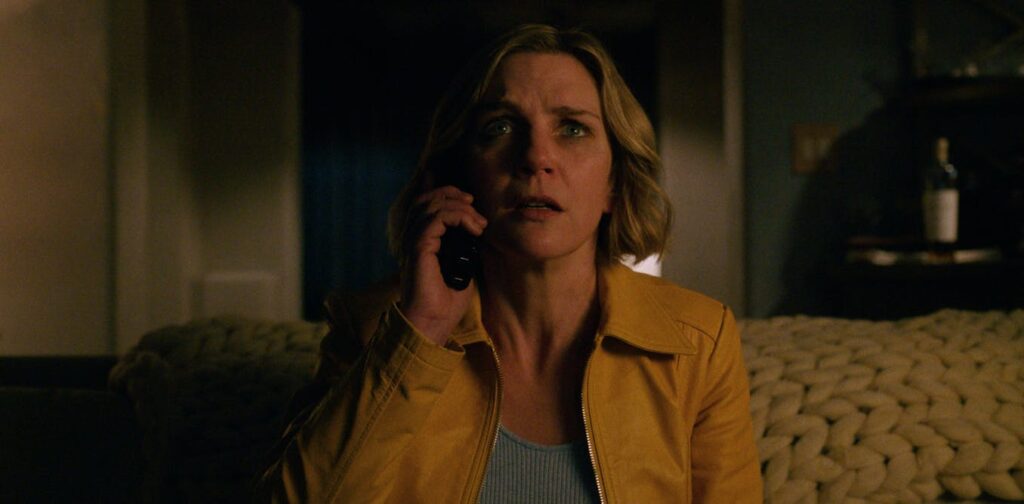
The series opens with Carol Sturka, portrayed by Rhea Seehorn, a disenchanted romance novelist in Albuquerque, New Mexico. Following the spread of the virus, Carol becomes one of only 11 uninfected survivors worldwide, grappling with the loss of her wife, Helen, to the infection. Unlike typical apocalyptic narratives, the infected are not violent; instead, they exhibit an unsettling happiness and cooperation, leaving Carol as possibly the last discontented person alive.
Allegorical Interpretations
Much like the Body Snatchers films, which served as metaphors for Cold War and post-Watergate paranoia, Plur1bus invites allegorical readings. The title, derived from Latin meaning “many,” alludes to the collective nature of the infected. It also evokes the United States motto, E pluribus unum – “out of many, one.”
Early reviews suggest the series explores themes of contemporary loneliness and the oppression of women in abusive relationships. In the second episode, Carol attempts to rally other survivors against the hive mind, though some express a desire to join the collective, highlighting the allure of conformity in a polarized society.
An Exploration of Alien Intelligence
While Body Snatchers depicted horror through the loss of individual identity, Plur1bus presents a world where human knowledge and experience converge into a singular entity. This motif is vividly illustrated through scenes of infected individuals performing tasks with mechanical precision, such as military scientists handling petri dishes flawlessly or a child displaying medical expertise.
Each person holds the secrets of everyone else’s mind, including Helen’s memories of Carol.
The series raises profound questions about identity and consciousness. What does it mean to witness emotions from beings we suspect lack personhood? How do we navigate a world where self-expression is mediated by an inhuman intelligence?
The Resonance with AI Concerns
Although Gilligan did not set out to create an AI-centric narrative, Plur1bus resonates with current discussions about AI’s role in society. The show’s depiction of a collective consciousness mirrors fears of losing individuality in an increasingly interconnected world.
As the series progresses, viewers are left to ponder the implications of such a transformation. What does it mean for humanity if our expressions of self become indistinguishable from a collective intelligence?
With its inventive storytelling, Plur1bus offers a thought-provoking exploration of these themes, inviting audiences to reflect on the nature of identity and the potential future of human consciousness.