

In a significant move toward accountability and reform, the Director General of WA Health has announced that King Edward Memorial Hospital will receive an improvement notice. This action follows a damning report into the death of a baby boy, Tommy Starkie, who was “born dead” at the hospital. The report has prompted a comprehensive cultural reform program aimed at addressing systemic failures within Western Australia’s premier maternity hospital.
Doctors and midwives at the hospital are set to undergo new training, and an additional obstetric consultant will be rostered from this Friday. These measures are part of a broader effort to overhaul the hospital’s practices following the tragic events that unfolded in August, when Alana and Paul Starkie traveled from Manjimup to Perth for the birth of their son.
Details of the Tragic Incident
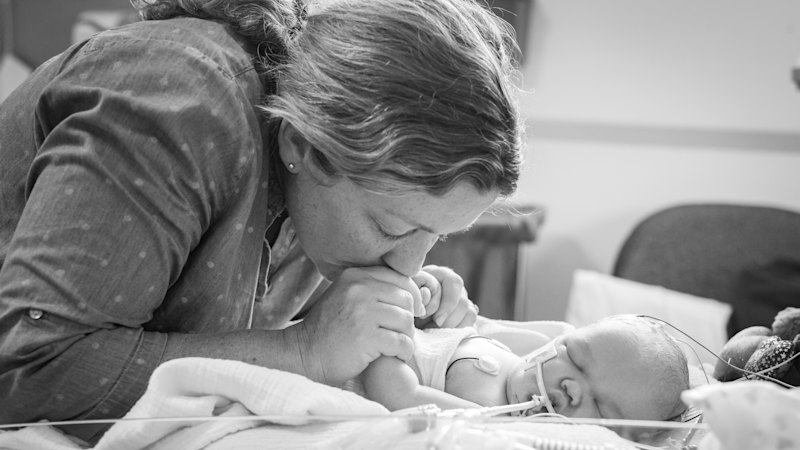
Alana Starkie, who was 38 weeks and six days pregnant, was admitted to King Edward Memorial Hospital for labor induction. After more than four hours of labor, she experienced severe pain and expressed concerns to the midwives. Her son, Tommy, was born without breathing and with no heart rate, later diagnosed with a near-total brain injury. He passed away after 23 days in the neonatal intensive care unit.
An inquiry into Tommy’s death, known as a Severity Assessment Code 1 (SAC1) report, revealed that his declining heart rate was ignored despite clear CTG data indicating oxygen deprivation for over an hour before his birth. The SAC1 report, reserved for the most severe incidents of harm in public hospitals, highlighted numerous failures in communication, teamwork, leadership, and situational awareness within the hospital’s labor suite.
Systemic Failures and Cultural Issues
The independent panel’s findings indicated that the hospital staff breached multiple policies, contributing to the tragic outcome. Alana Starkie expressed her dismay, stating, “King Edward failed us in almost every aspect of our care.” She highlighted a “blatant disregard for following their own policies” that permeated the organization.
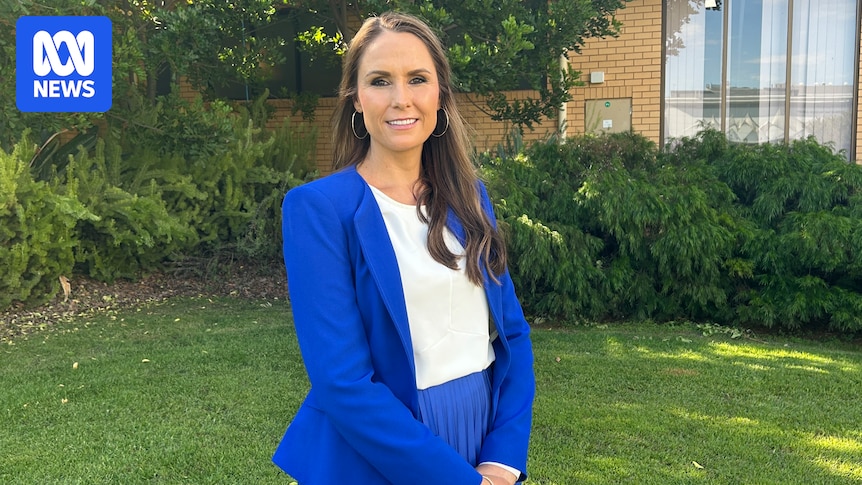
WA’s Director General of Health, Dr. Shirley Bowen, publicly apologized to the Starkie family, acknowledging the failures but insisting on the hospital’s overall safety and quality of care. “I absolutely regret what’s happened to Alana, and I agree that the policies were not followed for her individual circumstance,” Bowen stated.
A Timeline of Missed Opportunities
The SAC1 panel’s report detailed a series of missed opportunities and policy breaches leading up to and during Tommy’s birth. These included failures to perform timely CTG interpretations, inadequate documentation, and a lack of appropriate escalation when abnormalities were detected. The report noted that staff often assumed others would complete necessary documentation, leading to critical oversights.
Additionally, the report criticized the hospital’s fetal monitoring technology, which was found to be inadequate and lacking AI capabilities that could have served as a technological safety net. Health officials are now evaluating potential improvements to the system to prevent similar incidents.
Recommendations and Future Steps
The report issued eight recommendations aimed at preventing future tragedies. These include a major cultural reform program to reduce human and technological errors, adjustments to staffing levels in the labor suite, and improvements to the hospital’s fetal monitoring system. A review of emergency response processes and clinical documentation policies was also recommended.
North Metropolitan Health Service CEO Robert Toms apologized to the Starkie family and emphasized the commitment to implementing the report’s recommendations. “All of those involved are deeply impacted. They go to work each day wanting to provide the best possible care,” Toms stated.
Alana Starkie welcomed the recommendations, expressing hope that their implementation would prevent similar tragedies. “Our primary focus is making sure this disaster never happens again,” she said. “No family should have to endure the trauma and distress that we experienced.”
The case is currently before the coroner, and the hospital’s management is under intense scrutiny as they work to implement the recommended changes. The tragic death of Tommy Starkie has sparked a necessary conversation about hospital practices and patient safety, with the aim of ensuring that no other family suffers a similar fate.