

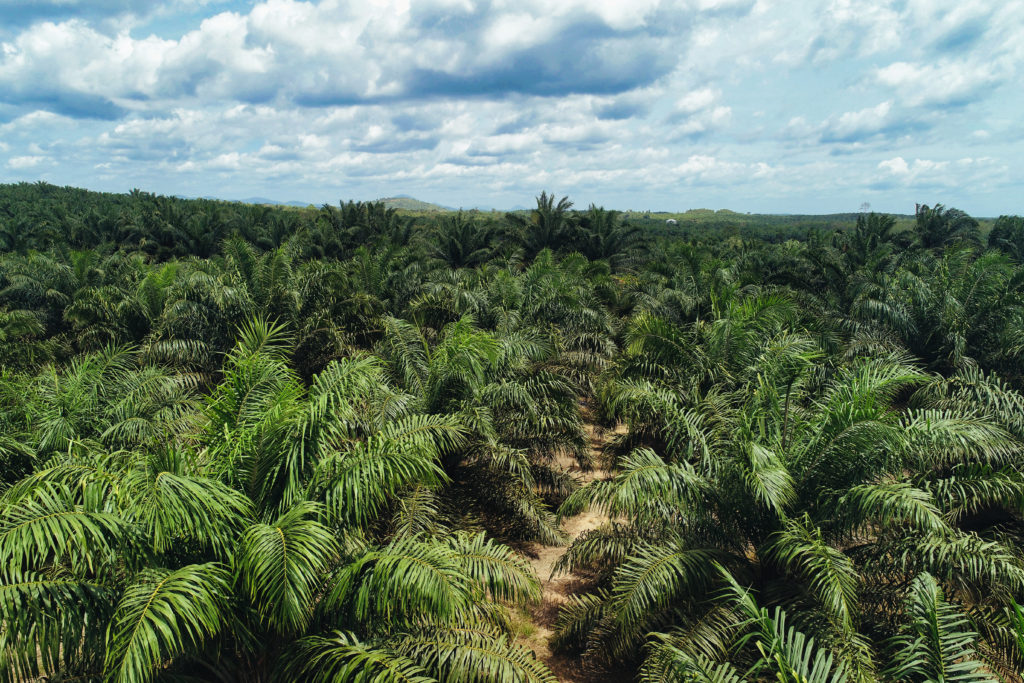
In a sweeping move that began in March, Indonesia has seized a vast expanse of palm-oil estates from a tycoon embroiled in corruption allegations. Nine months later, under the guidance of the country’s defense minister, Indonesia has brought an area equivalent to the size of Switzerland under state control. This campaign, ostensibly aimed at improving governance, is a demonstration of President Prabowo Subianto’s resolve to curb the influence of both Indonesian elites and foreign entities profiting from the nation’s abundant resources.
The central government has already taken control of over 4 million hectares (approximately 10 million acres) of plantations, mining concessions, and processing facilities. Much of this land has been allocated to a state-owned enterprise newly tasked with managing these seized estates. “This is just the beginning,” Prabowo declared at a recent event. “We are on the right and noble path of defending the interests of millions of Indonesians.”
Global Consequences of Domestic Upheaval
Indonesia’s aggressive resource nationalization could have far-reaching global effects. As the world’s leading exporter of coal and palm oil, the largest nickel producer, and a significant source of copper and tin, Indonesia plays a crucial role in global food and energy supplies, as well as in the development of future technologies.
“This increasingly shows the character of a Prabowo-style command economy,” said Bhima Yudhistira Adhinegara, executive director at the Jakarta-based Center of Economic and Law Studies. “Methods like this reduce interest from investors, both in the plantation sector and in conservation.”
Prabowo established the Forest Area Enforcement Task Force last January, shortly after taking office. He appointed Defense Minister Sjafrie Sjamsoeddin, a trusted ally, to lead the initiative. The task force has been actively issuing fines and transferring land, often to Agrinas Palma Nusantara, a state-owned giant at the center of this effort. Within months, this repurposed company, led largely by retired military officers, has become the world’s largest palm oil player by land area.
Local Impact and Historical Context
Official statements emphasize improved land management as the primary goal of these confiscations. Indonesia has struggled with land management in the past, losing millions of hectares of forest due to palm-oil and mining expansion. The role of deforestation in exacerbating floods and landslides, which recently claimed over 1,000 lives in Sumatra, has added urgency to Jakarta’s campaign.
However, many growers targeted by the government argue that they are cultivating land acquired legally, sometimes through government programs designed to promote internal migration. Achmad Sukarsono of consultancy Control Risks remarked, “Prabowo claims that the state has reclaimed 4 million hectares because these plots were located within forest zones. But how did it come to this? Such a vast amount of land couldn’t have been taken illegally by palm oil companies without approval from local governments and military officials.”
For generations, families like Rubahan Hasibuan’s in northern Sumatra have worked the same land. In March, officials arrived in his village, declaring the land under government control. Approximately 2,000 hectares of farmland owned by around 500 families were seized. Despite offers from Agrinas to stay in exchange for a 15% share of revenue, Hasibuan and his neighbors have resisted, valuing their independence.
Investor Concerns and Economic Implications
The campaign has sparked concerns among investors and industry players. Singapore-based crop trader Wilmar International Ltd. anticipates impacts on a few thousand hectares of its plantation area and is in discussions with authorities. Malaysian-listed IOI Corporation Bhd. plans to conduct more risk assessments before investing further in Indonesia. Other major operators, such as Golden Agri-Resources Ltd. and Cargill Inc., have not commented on the seizures.
Changing regulations and unclear permits are not new challenges for Indonesia’s commodities sector. Overlapping land allocations are common, particularly in palm oil, where some areas are permitted for cultivation despite being classified as forest zones. Mining faces similar issues, with the government struggling to monitor illegal operations in remote areas, costing Indonesia billions.
The breadth of Prabowo’s campaign echoes the nationalizations and property reorganizations under Indonesia’s first president post-colonial era. However, the current effort is led by a task force with significant discretion, raising concerns about politicization and investor confidence.
“The risk of politicization is high,” said Eve Warburton of Australian National University. “This can undermine investor confidence and the credibility of resources governance more broadly.”
Future Prospects and Challenges
Despite the challenges, Agrinas and the attorney general report holding 1.7 million hectares of plantations, aiming to supply a third of Indonesia’s cooking oil and produce biodiesel by 2029. However, much of this land remains unproductive, requiring significant investment in restoration and productivity. Agrinas aims to collaborate with farmers, but conditions for joint operations are not always favorable, leading some farmers to walk away.
In the mining sector, similar scenarios have unfolded. On Halmahera island, a military-backed operation seized part of the world’s largest nickel mine, briefly affecting global prices. The government is demanding substantial penalties from companies like PT Weda Bay Nickel, impacting their operations.
The future of Prabowo’s campaign remains uncertain. Enforcement and long-term management pose significant challenges in a country as vast as Indonesia. While the immediate market impact is limited, long-term consequences for the palm oil and nickel industries are a growing concern.
“The risk that production will suffer more than we dare to say now is probably bigger than vice versa,” noted Thomas Mielke, executive director of Oil World, at a recent industry event.
As Indonesia continues to tighten its grip on resources, the world watches closely, aware of the potential ripple effects on global markets and industries.