



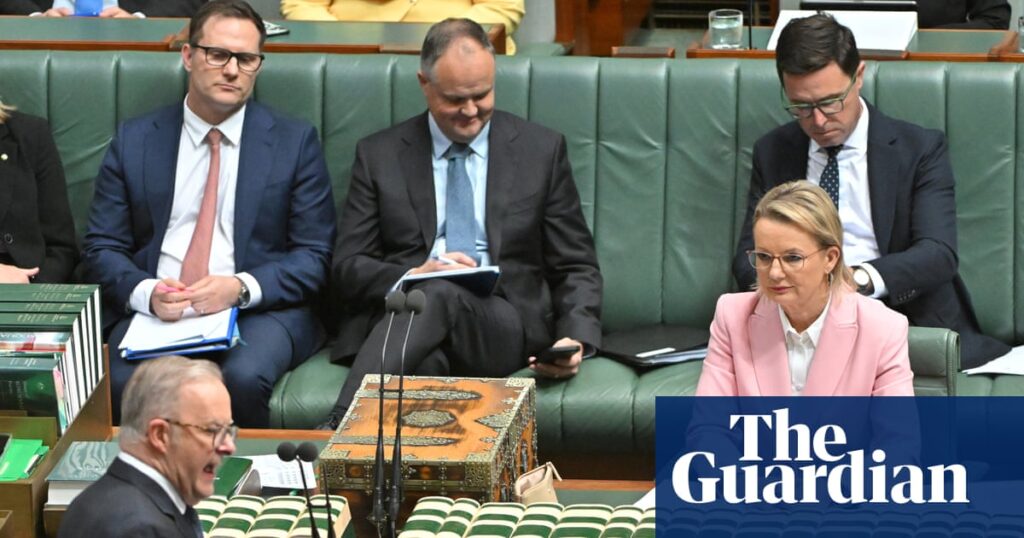
The federal parliament of Australia is set to reconvene earlier than planned as the Albanese government seeks to swiftly implement legislation targeting “hate preachers” and to fund a national gun buyback scheme. This urgent legislative push follows the alleged terrorist attack at Bondi Beach, which has intensified calls for action.
Originally scheduled to resume on February 3, Members of Parliament are now expected to return to Canberra before Australia Day. The aim is to debate and pass Labor’s proposed legislative measures in response to the December 14 mass shooting.
Government’s Legislative Agenda
Prime Minister Anthony Albanese had previously indicated that parliament would be recalled at the earliest opportunity to address two key reforms promised in the aftermath of the tragedy: enhanced hate speech laws and stricter gun controls, including a firearm buyback initiative.
The proposed hate speech laws will introduce new offenses for preachers and leaders who incite violence. Additionally, a regime will be established to list organizations whose leaders engage in hate speech that promotes violence or racial hatred. The government also plans to outlaw “serious vilification” based on race or the advocacy of racial supremacy, alongside creating an aggravated offense targeting adults who attempt to radicalize children.
“Unprecedented radicalization of our youth must stop,” declared Attorney General Michelle Rowland, highlighting that nearly half of the 33 individuals facing terrorism charges at the time were minors.
National Gun Buyback Scheme
In parallel, the government will introduce legislation to support the largest national firearm buyback since the 1996 Port Arthur massacre. The costs of this initiative will be shared equally with the states and territories. This buyback is intended to complement new gun control measures that state leaders agreed to legislate during an emergency national cabinet meeting following the Bondi attack.
New South Wales Premier Chris Minns was the first to act, recalling parliament before Christmas to pass laws limiting individuals to four firearms and farmers and sports shooters to ten. The federal government is urging other states and territories to enact similar laws by July 1.
Political Reactions and Challenges
The nationwide effort to tighten gun laws is encountering resistance from gun advocacy groups and the Nationals, potentially complicating the federal Coalition’s support for any new legislation. However, the Greens have expressed support for tougher gun laws, including the buyback, which could provide Labor with the necessary votes in the Senate.
Opposition Leader Sussan Ley stated she would “sensibly review” any proposed legislation but insisted that tightening gun laws is “not the main game.” She reiterated demands for Prime Minister Albanese to heed calls from Bondi victims’ families, Jewish leaders, and others for a federal royal commission into antisemitism.
“We in the Coalition will do everything in our power, we will leave no stone unturned to deliver this commonwealth royal commission,” Ley asserted. “And if the prime minister has to be dragged, kicking and screaming, to call this royal commission, then so be it. Because Australians deserve no less.”
Government’s Stance and Future Steps
Treasurer Jim Chalmers acknowledged that while the calls for a royal commission “come overwhelmingly from a good place,” they would not alter the government’s immediate focus. Chalmers emphasized the importance of “urgent and immediate” actions, which include the new hate speech and gun laws, a review of intelligence and security agencies by Dennis Richardson, and responding to Jillian Segal’s antisemitism review.
“The government is taking a number of steps. We know that the world is watching, because what happened at Bondi last month was such a horrifying event, and the urgent and the immediate actions that we are taking are really important when it comes to us learning from and responding to this attack,” Chalmers said.
As the Albanese government navigates the complex landscape of legislative reform, the coming weeks will be critical in determining the effectiveness and reach of these new measures. The outcomes could set significant precedents for how Australia addresses hate speech and gun control in the future.