




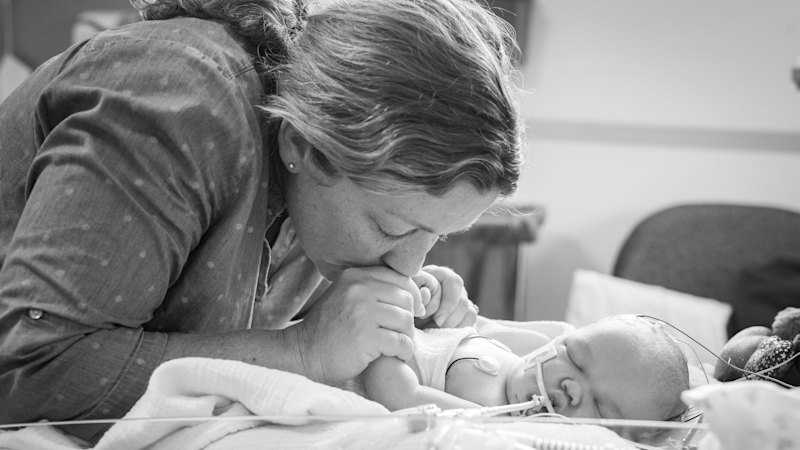
The director general of WA Health has announced a sweeping cultural reform program at King Edward Memorial Hospital following a damning report into the death of a newborn. The report revealed severe breaches in protocol leading to the tragic death of Tommy Starkie, who was born not breathing and with no heart rate at the hospital in August.
Alana and Paul Starkie had traveled from Manjimup to Perth for the birth of their son, only to endure a harrowing experience that ended in tragedy. The report, known as a Severity Assessment Code 1 (SAC1), detailed a series of failures in monitoring and communication that contributed to the infant’s death after 23 days in intensive care.
Systemic Failures and Cultural Reform
The SAC1 report identified critical lapses in the hospital’s labor suite, citing poor communication, inadequate teamwork, and a lack of situational awareness. These failures resulted in multiple breaches of hospital policy during Alana Starkie’s labor. The report highlighted that Tommy’s declining heart rate, a sign of oxygen deprivation, was ignored for over an hour before his birth.
Alana Starkie expressed her devastation to 9News Perth, stating, “King Edward failed us in almost every aspect of our care. There was a blatant disregard for following their own policies.” She recounted numerous instances where hospital staff failed to adhere to protocols, which she believes led to her son’s preventable death.
“There would have been 50 instances or more where they didn’t follow their own policies, and that resulted in the unnecessary death of our son,” Alana Starkie said.
In response, WA Health’s Director General, Dr. Shirley Bowen, issued an apology and committed to overseeing a cultural reform program at the hospital. She assured the public of the hospital’s safety and quality of care, despite the report’s findings.
A Timeline of Missed Opportunities
Alana Starkie was referred to King Edward Memorial Hospital for an induction due to a potential heart condition in her unborn child, which was later ruled out. The SAC1 panel found multiple policy breaches, including a lack of timely medical reviews and inadequate CTG (cardiotocography) monitoring.
The report detailed how CTG interpretations were not performed as required, and crucial escalations to senior staff were either undocumented or ignored. These lapses contributed to the failure to recognize and address the signs of fetal distress adequately.
Despite Alana’s repeated warnings of severe pain and her intuition that something was wrong, her concerns were dismissed as normal labor pains. The report criticized the staff’s failure to consider an emergency caesarean section, which could have potentially altered the outcome.
Technological and Procedural Recommendations
The investigation also pointed to shortcomings in the hospital’s fetal monitoring technology, which lacked advanced AI capabilities that could have served as a safety net. The report recommended upgrading the system to enhance its effectiveness in identifying fetal distress.
Additional recommendations included a review of the hospital’s emergency response processes, improvements in clinical documentation, and a comprehensive overhaul of the open disclosure policies for serious adverse events.
North Metropolitan Health Service chief executive Robert Toms apologized to the Starkie family and emphasized the importance of implementing the report’s eight recommendations to prevent future incidents.
“All of those involved are deeply impacted. They go to work each day wanting to provide the best possible care,” Toms stated.
Looking Ahead: Implementing Change
Alana Starkie welcomed the report’s recommendations but stressed the importance of their implementation to prevent similar tragedies. She voiced concerns about the deeply entrenched cultural issues within the hospital, questioning how such a broken system could be fixed.
“Our primary focus is making sure this disaster never happens again,” she said, highlighting the need for systemic change to ensure the safety of future patients.
The announcement of the reform program at King Edward Memorial Hospital marks a critical step towards addressing the systemic issues identified in the SAC1 report. As the hospital embarks on this path of reform, the focus remains on preventing such tragedies and restoring public confidence in the healthcare system.