

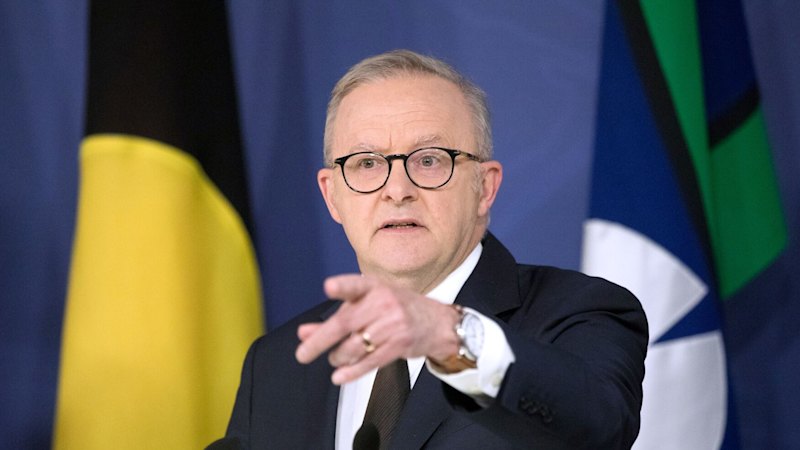
A group of former Labor MPs, senators, and party officials have broken ranks with Prime Minister Anthony Albanese, urging him to establish a Commonwealth royal commission into the Bondi Beach terror attack and the escalating threat of antisemitism in Australia. The call comes in the wake of a deadly attack on December 14, which left 15 people dead and over 40 injured during a Jewish festival event.
In an open letter, 21 figures with deep connections to the party’s organizational wing, unions, and parliamentary factions argue that only a federal inquiry can adequately examine the “broader ecosystem of terror and hate” that led to the Islamic State-inspired attack. The signatories include prominent former federal frontbenchers and senior party office-holders, underscoring the gravity of their demand.
Pressure Mounts on Albanese
The intervention places significant pressure on Albanese, who has thus far resisted calls for a federal royal commission, citing concerns that it would be lengthy, divisive, and potentially duplicate existing efforts. The government warns that such an inquiry could take years and risk politicizing national security, a notion rejected by the Jewish community.
While only two current federal MPs, Ed Husic and Mike Freelander, have publicly supported the call, party insiders suggest that several Labor luminaries are preparing to privately caution Albanese against appearing “tin-eared” to public demands. This internal dissent highlights the growing urgency and complexity of the issue within the party.
Government’s Current Stance
Treasurer Jim Chalmers acknowledged the widespread calls for a royal commission, stating that they originate “overwhelmingly from a good place.” However, he emphasized the government’s focus on “the urgent and the immediate.” Chalmers highlighted the government’s decisive steps, including backing a NSW royal commission and implementing federal measures such as a significant firearms buyback, tougher gun laws, and new hate crime provisions.
Albanese has supported a NSW royal commission announced by Premier Chris Minns but maintains that a federal inquiry would be redundant. The letter’s authors, however, argue that the NSW inquiry is inherently limited and cannot compel evidence from federal agencies or social media companies, which a Commonwealth inquiry could achieve.
Broader Implications and Community Concerns
The letter reflects the deep-seated fear and anger within parts of Australia’s Jewish communities following the attack. It describes the heightened security measures Jewish Australians have had to adopt, such as sending children to schools guarded by armed security and praying behind blast-resistant walls. The authors warn that the health of Australia’s democracy and national security is at stake.
“This was the worst terrorist attack in Australia’s history on our soil,” the letter states. “Australians who are Jewish were the main target of this attack, but all Australians are made less safe by the extremism that has inexorably escalated into lethal actions.”
Former defense minister Mike Kelly, a co-convenor of the party’s Friends of Israel group, emphasized that the Bondi attack is part of a broader narrative of rising antisemitism. He argues that violence does not occur in isolation but emerges from an environment where hatred has been allowed to grow unchecked.
Looking Ahead
As the debate continues, the call for a royal commission highlights the need for a comprehensive examination of the systemic, legal, and institutional factors contributing to antisemitism and extremism in Australia. The signatories urge for terms of reference broad enough to address online radicalization, hate speech, and the effectiveness of intelligence-sharing between state and federal agencies.
Former Victorian Labor deputy premier James Merlino and other business figures have joined the call for a royal commission, underscoring the widespread support for a thorough investigation. As discussions unfold, the Albanese government faces increasing pressure to reconcile its current approach with the demands for a more extensive federal inquiry.
The issue remains a critical test for the Albanese administration as it navigates the complex landscape of national security, public safety, and community trust.