

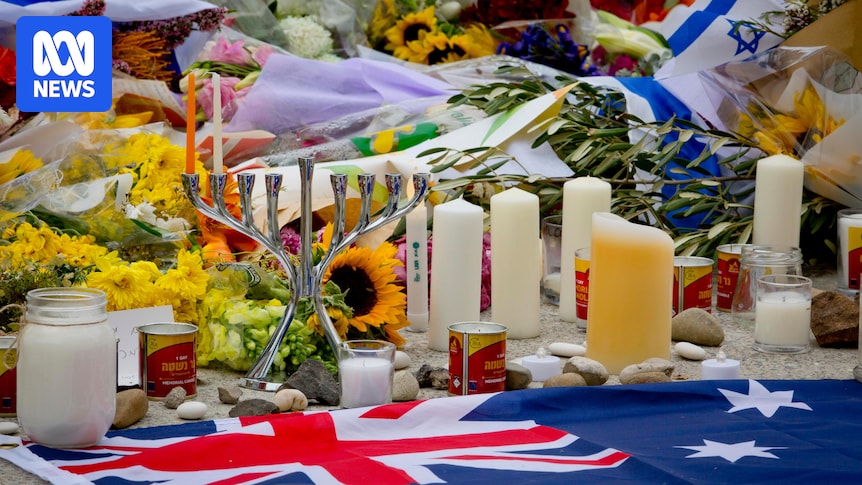
More than 60 prominent Australian sports figures have issued a compelling call for a federal royal commission into antisemitism and the tragic events surrounding the Bondi terror attack. This urgent appeal, articulated through an open letter, underscores the necessity for a national inquiry, emphasizing that “the safety of Australians” and the “future cohesion” of the nation are at stake.
The letter arrives amidst mounting pressure on Prime Minister Anthony Albanese to endorse a comprehensive national approach, diverging from the current state-based royal commission framework. The signatories, including renowned athletes such as canoeist Jess Fox, former swimmer Ian Thorpe, former tennis champion Lleyton Hewitt, and former AFL player Sam Newman, have united in this cause.
Call for National Leadership
Prime Minister Albanese has thus far resisted the widespread calls for a federal royal commission, maintaining his support for a state-level investigation. However, the sports stars’ letter implores the government to take decisive national action. The signatories expressed their condolences to the families of the 15 victims of the Bondi attack, including a poignant mention of 10-year-old Matilda, whose memory they vowed to honor.
The letter highlights that the December 14 attack, which targeted a Jewish celebration, was preceded by “more than two years of escalating extremism, intimidation, and unchecked radicalization within Australia.” The signatories urge the Prime Minister and the Australian Government to confront extremism and terrorism “in all its forms, without fear or hesitation.”
“We must also put an end to the unprecedented harassment, intimidation, and violence that has been directed at the Australian Jewish community since October 7, 2023,” the open letter states. “This is a national crisis, and it demands a national response.”
The Case for a Royal Commission
The sports stars argue that a royal commission represents the “most credible and unifying pathway” to achieving accountability and understanding, while also aiming to “restore social harmony.” They stress that as Australians who have long advocated for unity and national pride, both on and off the field, they are urging leaders to act with “urgency and moral clarity.”
The letter concludes with a stark reminder: “The safety of Australians, and the future cohesion of our nation, depends on it.”
Context and Historical Parallels
This call for a royal commission comes in the wake of a series of alarming incidents of antisemitism across Australia, mirroring a troubling global trend. Historically, Australia has grappled with addressing racial and religious intolerance, with past royal commissions often serving as pivotal mechanisms for societal reflection and reform.
Experts suggest that a national inquiry could provide a comprehensive understanding of the factors contributing to the rise in antisemitism and extremism, potentially guiding effective policy responses. Dr. Sarah Goldstein, a leading expert in social cohesion, notes, “A royal commission could offer a platform for voices that have been marginalized, fostering a national dialogue that is both inclusive and constructive.”
Implications and Next Steps
The sports stars’ call for a royal commission has sparked a broader conversation about the role of national leadership in addressing hate and extremism. As the debate continues, the pressure on the government to reconsider its stance is likely to intensify.
Moving forward, the response from political leaders and the public will be crucial in determining whether a federal royal commission will be established. The outcome could set a precedent for how Australia deals with similar crises in the future, potentially influencing international approaches to combating antisemitism and extremism.
As the nation watches closely, the call for a royal commission remains a pivotal moment in Australia’s ongoing struggle for social harmony and national unity.