


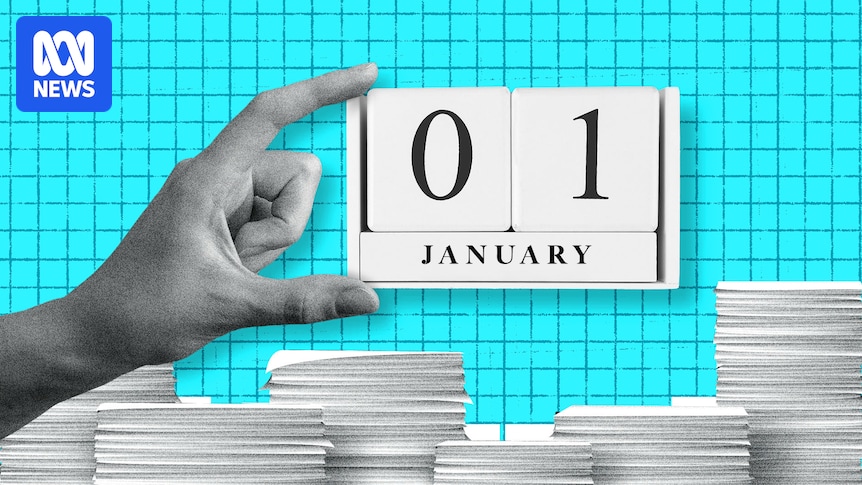
As the calendar flips to 2026, Australians will experience a series of significant policy changes affecting everything from apprenticeships to energy bills. These adjustments, effective from New Year’s Day, reflect the federal government’s ongoing efforts to address economic, environmental, and social challenges.
Apprenticeship Payments and Employer Incentives
In a bid to bolster the workforce in key sectors, the federal government has introduced new payments encouraging employers to hire apprentices in select trades. This initiative is part of a broader strategy aimed at developing a clean energy and housing workforce. Employers training apprentices in a Key Apprenticeship Priority (KAP) occupation will be eligible for payments up to $5,000, disbursed in two installments during the apprentice’s first year.
However, the ongoing Priority Hiring Incentive will see a reduction. Employers of apprentices working towards a Certificate III or higher in occupations on the Australian Apprenticeship Priority List, but not included in the KAP list, will see the maximum payment decrease from $5,000 to $2,500.
Additionally, training support payments for apprentices in trades listed on the Australian Apprenticeship Priority List are also being halved to a maximum of $2,500. These changes align with the government’s focus on prioritizing specific trades deemed critical for future growth.
Cash Payments and Retail Regulations
In a move to ensure accessibility, many retailers selling essential goods like groceries and fuel will now be required to accept cash payments. However, this rule exempts small businesses with an annual turnover of less than $10 million, allowing them to opt for card-only transactions if they choose. This mandate, initially announced in 2024, aims to safeguard consumer choice in payment methods.
Healthcare and Childcare Adjustments
The cost of prescription medications under the Pharmaceutical Benefits Scheme will see a reduction, with prices capped at $25 per script, down from $31.60. This change fulfills an election promise to make healthcare more affordable, with pensioners continuing to pay just $7.70 per script.
Meanwhile, the Child Care Subsidy (CCS) is undergoing modifications. Families receiving CCS will now be entitled to at least 72 hours of subsidized childcare every fortnight, known as the 3 Day Guarantee. Some families, particularly those with parents or guardians engaged in over 48 hours of recognized participation fortnightly, or those with valid exemptions, will qualify for up to 100 hours. Aboriginal and Torres Strait Islander children are also eligible for this extended benefit.
Energy and Environmental Policies
The expiration of the federal government’s energy bill rebate scheme marks the end of a cost-of-living relief package that provided $75 rebates on household and small business bills each quarter since mid-2023. Treasurer Jim Chalmers confirmed in December that the program would not extend into the new year.
In Sydney, new residential builds will no longer feature indoor gas appliances, including cooktops and ovens, as part of the city’s commitment to reducing carbon emissions. This decision, passed by the City of Sydney council in 2023, aims to combat what Lord Mayor Clover Moore described as “global boiling.” Research has highlighted the negative health impacts of gas stoves, further supporting this environmental initiative.
Passport Price Hike and Streaming Service Regulations
Australians will face higher costs for passports, already the most expensive in the world. The price of a 10-year adult passport will increase by $10 to $422, while five-year passports for children and adults aged 75 will rise to $213, up $5 from last year. Despite the cost, the Australian passport remains one of the strongest globally, allowing visa-free travel to 185 destinations.
Streaming services with over 1 million Australian subscribers are now required to invest a portion of their revenue into local content production. This amendment to the Broadcasting Services Act mandates that these platforms allocate at least 10% of their local expenditure, or 7.5% of their revenue, to Australian-made drama, documentary, arts, educational, and children’s programs. This change aims to bolster the local creative industry and ensure diverse content availability.
Welfare Payments and Economic Impact
Finally, government welfare payments will see a slight increase due to indexation, providing a modest boost to fortnightly pensions. This adjustment is part of routine measures to align welfare payments with inflation and cost-of-living changes.
These policy shifts reflect the government’s strategic priorities in addressing workforce development, consumer rights, healthcare affordability, environmental sustainability, and cultural enrichment. As these changes take effect, Australians will need to navigate the new landscape, balancing the benefits and challenges they present.