


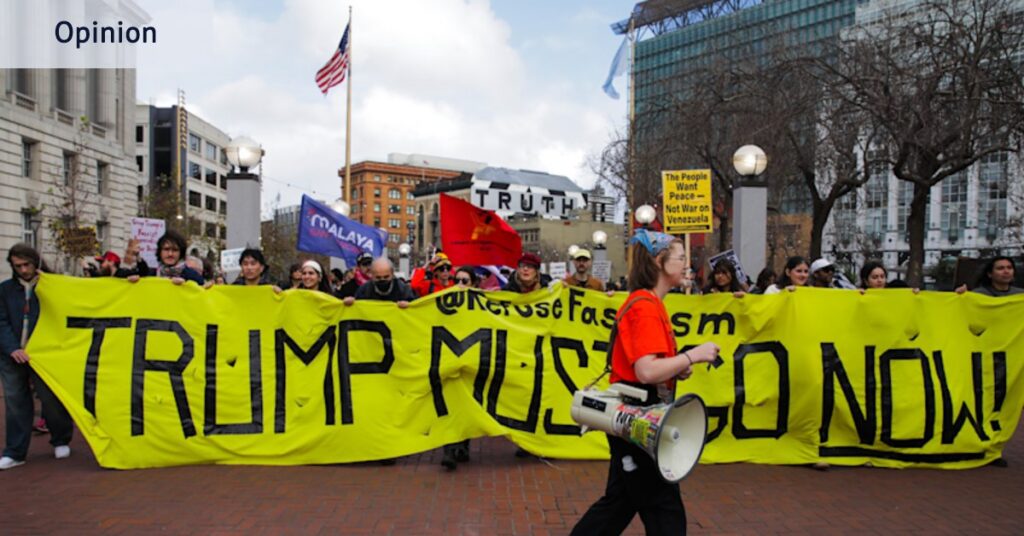
There was little surprise when U.S. President Donald Trump ordered a military strike to depose Nicolás Maduro, the embattled leader of Venezuela. Trump had been exerting pressure on the Venezuelan regime for months, and the explosions that rocked Caracas seemed inevitable. However, the aftermath of the attack has ignited a new political battle on the home front.
While removing Maduro is one thing, Trump’s assertion during a press conference that the United States would manage Venezuela and take over its oil industry has sparked controversy. This has raised questions about whether Trump is reverting to the nation-building strategies of previous administrations, which he has often criticized.
Political Fallout at Home
Trump’s decision has opened a new front in his ongoing battle with Democrats in Congress. Despite the military success of the operation, some of Trump’s isolationist supporters have expressed discontent, albeit quietly for now. Meanwhile, Democrats have been vocal in their criticism, but their impact has been diluted by a lack of unified opposition.
Senator Chris Murphy of Connecticut criticized Trump’s increased military spending, arguing it comes at the cost of healthcare and food assistance for millions of Americans. Pete Buttigieg, a former presidential candidate, suggested that Trump, facing domestic challenges, has turned to foreign intervention as a distraction.
Representative Alexandria Ocasio-Cortez stated, “The attacks are about oil and regime change. And they need a trial now to pretend it isn’t, especially to distract from Jeffrey Epstein and skyrocketing healthcare costs.”
However, it was Senator Ruben Gallego of Arizona, a veteran of the Iraq War, who delivered a pointed critique. He warned against repeating past mistakes of engaging in unauthorized conflicts, emphasizing that the American public did not ask for this intervention.
Legislative Challenges Ahead
In the coming days, Congress will vote on legislation aimed at restricting Trump’s ability to engage in further military actions in Venezuela without explicit congressional approval. However, with Republican majorities in both chambers, the passage of such a bill seems unlikely. Even if it does pass, Trump is expected to disregard it, given his history of challenging congressional authority.
Every day that Trump focuses on Venezuela is a day not spent addressing domestic issues such as the economy and cost-of-living pressures, which have contributed to some of his lowest approval ratings. His recent statements have not helped his case, as he continues to adopt a confrontational stance towards other countries.
Broader Implications and Historical Context
Trump’s rhetoric has extended beyond Venezuela. He has issued warnings to Colombia and Cuba, suggesting regime change could be on the horizon. His comments on Greenland and Iran further illustrate his aggressive foreign policy approach.
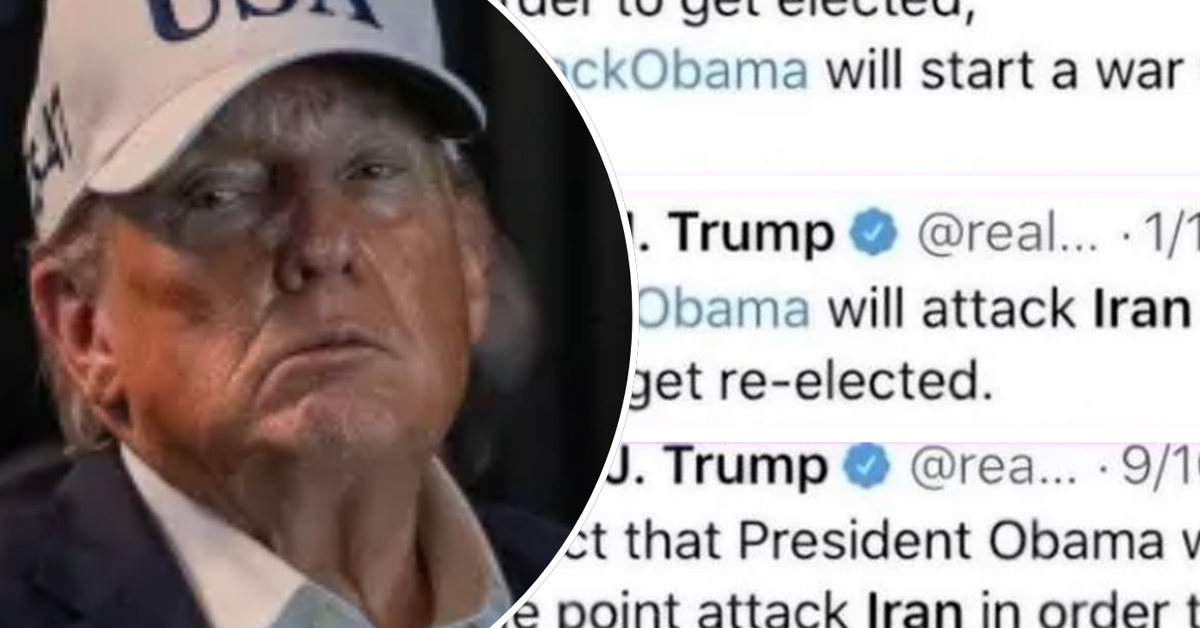
“If Iran shoots and violently kills peaceful protesters, which is their custom, the United States of America will come to their rescue. We are locked and loaded and ready to go,” Trump declared.
Trump’s actions can be seen as a modern-day application of the Monroe Doctrine, aimed at asserting U.S. dominance in the Western Hemisphere. However, this strategy raises questions about its effectiveness in the current geopolitical landscape, where Russia and China are expanding their influence.
As Trump claims victory in the Americas, he faces potential political losses at home, particularly in the upcoming midterm elections. Meanwhile, Russia and China may capitalize on the opportunity to strengthen their positions in Europe and the Asia-Pacific region.
Bruce Wolpe, a senior fellow at the University of Sydney’s United States Studies Centre, notes that while Trump may declare victory abroad, the real challenge lies in navigating the political landscape at home. The implications of Trump’s foreign policy decisions will continue to unfold in the coming months, shaping both domestic and international dynamics.