




Queensland Health has issued a health warning urging residents to remain vigilant as an unexpected rise in influenza cases hits the state during the summer months. The call to action comes as the latest data, current as of December 14, reveals more than 95,000 flu cases have been reported this year—a 21 percent increase compared to the same period last year.
In a single week from December 8 to December 14, 1,690 new cases were recorded, following 1,973 cases the previous week. This surge has prompted Queensland Health’s Communicable Diseases Branch Executive Director, Dr. Heidi Carroll, to highlight the unusual nature of the summertime increase.
“While flu case numbers and hospitalisations remain well below the winter peak, the recent summertime increase in cases is unusual,” Dr. Carroll stated.
Vaccination and Preventive Measures
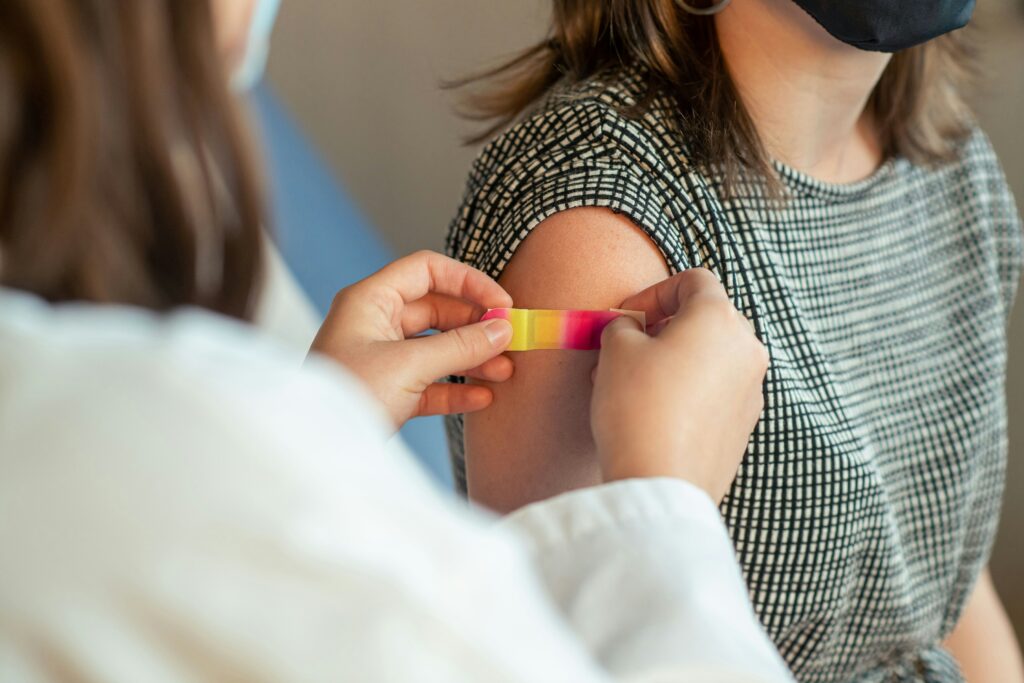
Queenslanders are being strongly encouraged to receive the influenza vaccine if they have not done so already. The vaccine is accessible through various channels including general practices, community pharmacies, and Aboriginal and Torres Strait Islander Health Services. Vaccination is crucial not only for personal protection but also for safeguarding families and the broader community.
Additionally, residents planning to travel overseas are advised to consult with healthcare providers to ensure they are adequately protected while traveling.
By the Numbers: A Closer Look
- As of December 14, Queensland has recorded 95,520 flu cases in 2025.
- 82 percent of confirmed cases occurred in individuals who were not vaccinated.
- 10,087 cases involved children under five, while 16,176 cases were among those aged 65 and over.
- 9,187 hospitalisations have been reported, with 46 percent involving seniors aged 65 and over.
- There have been 289 flu-related deaths this year, up from 198 during the same period last year.
Understanding the Unseasonal Surge
The 2025 influenza season has been characterized by a prolonged peak and a slower decline in case numbers compared to previous years. Health officials attribute this to a variety of factors including circulating virus strains, environmental conditions, and behavioral patterns such as increased social gatherings. Additionally, population immunity shaped by past infections and vaccine uptake plays a significant role.
Dr. Carroll and other health experts emphasize the importance of maintaining good hygiene practices, especially during the festive season when social interactions increase. Residents are advised to stay home when feeling unwell to prevent further spread of the virus.
Looking Ahead: Implications and Recommendations
The rise in flu cases during an unexpected time of year serves as a reminder of the virus’s unpredictable nature and the importance of preparedness. Health officials continue to monitor the situation closely and provide updates as necessary. The community is urged to heed health advisories and prioritize vaccinations to mitigate the impact of the flu.
As Queensland navigates this unseasonal health challenge, the emphasis remains on collective responsibility and proactive measures to protect public health.