

The Family McMullen ★★½
When The Brothers McMullen was released in 1995, its writer-director-star Edward Burns was swiftly anointed “the new Woody Allen”—a title that, at the time, was considered a high compliment. The film was a hallmark of guerilla indie filmmaking, shot over eight months on weekends in Burns’ family home for a mere $25,000, with a cast that worked for free. The story of an Irish-American family in New York’s Long Island captured the essence of independent cinema.
The film’s journey to success was equally compelling. Burns, then working in a junior role at Entertainment Tonight, seized a rare opportunity when Robert Redford visited for an interview. Burns handed Redford a copy of his film, which led to an invitation to screen at Sundance. The film was subsequently picked up by Fox Searchlight, launching Burns’ career, which now includes 20 films as a director and twice as many as an actor.
A Return to Familiar Territory
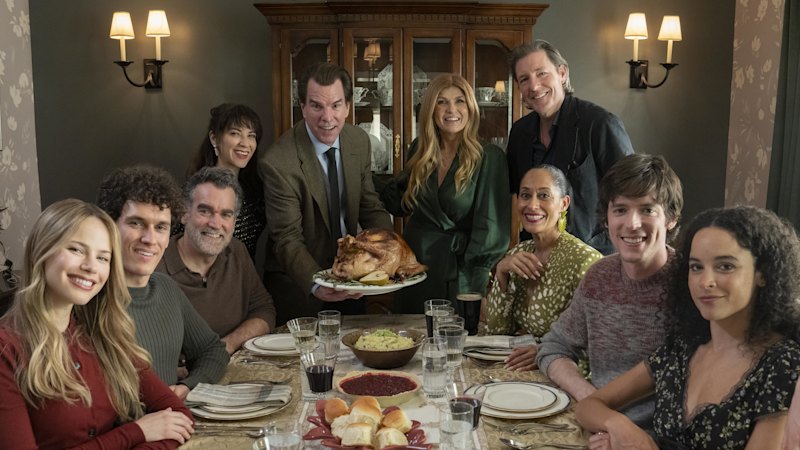
Thirty years later, Burns returns to the thematic well that first brought him acclaim: family. However, The Family McMullen feels less like a fresh indie endeavor and more like a Hallmark movie. The film is bookended by Thanksgiving dinners set a year apart, capturing the holiday spirit but lacking the originality of its predecessor.
Burns reprises his role as Barry, the middle McMullen brother, now a twice-divorced father of two adult children, Patty (Halston Sage) and Tommy (Pico Alexander). Michael McGlone returns as Patrick, the youngest brother, facing his own marital challenges. The eldest brother, Jack, is absent, having succumbed to cancer, leaving behind his widow, Molly (Connie Britton), who offers dating advice despite her own romantic hiatus.
Familial and Romantic Complications
The film quickly sets the stage for a series of romantic, sexual, and familial entanglements. While it echoes elements of Woody Allen’s work, it lacks the sharp dialogue and existential depth that characterized even Allen’s lighter films. The narrative revolves around Patty’s engagement to Terence Joseph (Bryan Fitzgerald), a relationship her family views with skepticism.
Aunt Molly warns Patty against marrying her first love, citing infidelity as a likely outcome. Barry and Tommy echo her concerns, albeit for different reasons. The plot unfolds predictably, with romantic and familial tensions driving the story forward.
Reception and Legacy
The Family McMullen is not without its moments, but it fails to capture the magic of its predecessor. If this were Burns’ debut, it might have been his swan song rather than his latest offering. The film’s reception has been lukewarm, with critics noting its lack of innovation and depth.
“What once seemed fresh and charming now feels rehearsed and rehashed,” one critic observed, summarizing the general sentiment surrounding the film.
Despite its shortcomings, the film serves as a reminder of Burns’ early success and the impact of The Brothers McMullen on independent cinema. It also highlights the challenges filmmakers face when revisiting past successes, particularly in an industry that thrives on novelty and innovation.
Looking Ahead
As Burns continues his career, the question remains whether he will return to the form that first brought him acclaim or continue to explore new narratives. For now, The Family McMullen stands as a testament to the enduring appeal of family stories, even as it struggles to find its own voice.
With the film industry constantly evolving, Burns’ future projects will likely reflect both his personal growth and the changing landscape of cinema. Whether he will once again capture the indie spirit that defined his early work remains to be seen.