




In a surprising turn of events, China’s manufacturing and non-manufacturing sectors both showed unexpected growth in December 2025, according to the latest Purchasing Managers’ Index (PMI) data. The official manufacturing PMI rose to 50.1, surpassing the anticipated 49.2 and marking a return to expansion after eight months of contraction. Meanwhile, the non-manufacturing PMI also climbed to 50.2, exceeding expectations and signaling a broader recovery in business conditions.
The announcement comes as global financial markets experienced a subdued New Year’s Eve session, with many professional participants still in holiday mode. Despite the thin liquidity and muted price action, China’s data provided a modestly constructive signal to end the year.
Manufacturing Sector Rebounds
China’s manufacturing sector’s return to expansion was unexpected, as economists had predicted continued contraction. The PMI’s rise above the 50 threshold, which separates expansion from contraction, indicates a tentative stabilization in the sector. This improvement occurred even as factory profits saw their steepest year-on-year decline in over a year, underscoring the fragile nature of the recovery.
According to a private-sector survey by S&P Global/RatingDog, the manufacturing PMI edged up to 50.1 from 49.9. This increase was primarily driven by stronger domestic demand and new product launches, although export orders remained weak amid challenging global conditions. The survey noted that while output returned to modest growth, firms continued to reduce hiring, with employment contracting for a second consecutive month.
Overall sentiment among Chinese manufacturers remained positive heading into 2026, though optimism eased and stayed below historical averages.
Non-Manufacturing Sector Shows Improvement
Encouragingly, the non-manufacturing sector, which includes services and construction, also showed signs of recovery. The non-manufacturing PMI increased to 50.2 from 49.5, following a dip into contraction in November. The composite PMI, which combines manufacturing and non-manufacturing activity, rose to 50.7 from 49.7, indicating a broader pickup in overall business conditions.
The data, released by the National Bureau of Statistics, suggest that while the recovery is underway, it remains fragile and heavily reliant on sustained domestic demand and ongoing policy support. The Chinese government has taken steps to ease property taxes but has avoided more aggressive housing stimulus measures, as the property downturn continues to weigh on the economy.
Global Economic Context
Meanwhile, the global economic landscape remains challenging, with OPEC+ expected to maintain its output pause amid a growing global oil surplus. A private survey of oil inventory showed a headline crude oil build that was less than expected, reflecting ongoing market uncertainties.
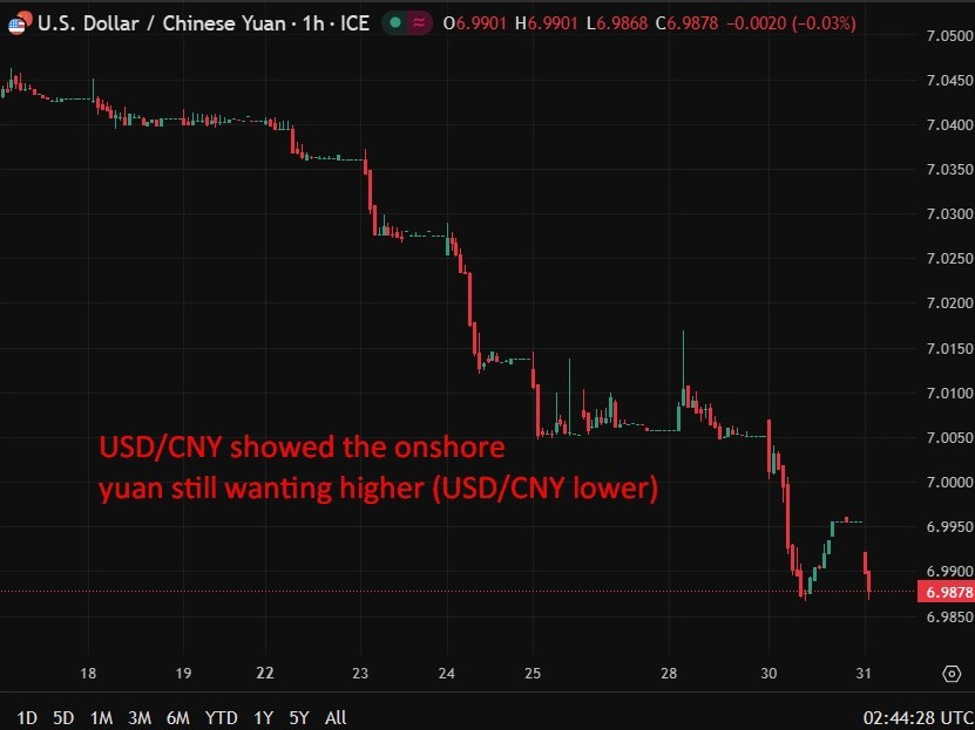
In other economic news, the People’s Bank of China set the USD/CNY reference rate at 7.0288, higher than the estimated 6.9945, indicating a cautious approach to currency management. Additionally, China is boosting consumer trade-in subsidies and expanding the scheme to include digital products in 2026, aiming to stimulate consumer spending.
Market Reactions and Future Outlook
Asia-Pacific stock markets reacted cautiously to the news, with mixed performances across the region. Japan’s Nikkei 225 fell by 0.37%, Hong Kong’s Hang Seng dropped by 0.85%, while the Shanghai Composite edged up by 0.16%. Australia’s S&P/ASX 200 saw a slight decline of 0.1%.
As the global economy navigates through uncertainties, the latest PMI data from China provides a glimmer of hope for a more stable recovery in 2026. However, the path forward remains dependent on domestic demand and the effectiveness of policy measures to support growth.
Looking ahead, market participants will be closely watching the upcoming OPEC+ meeting on January 4, as well as the ongoing developments in China’s economic policies, to gauge the potential impacts on global economic conditions.