


In a tragic incident on Tuesday, two trains carrying tourists to and from Peru’s iconic Machu Picchu site collided, resulting in the death of a railroad worker and injuring approximately 30 passengers. The collision occurred near Qoriwayrachina, an archaeological site close to the famed Incan ruins.
Jhonathan Castillo Gonzalez, a captain with the Cuzco police department, confirmed the fatality and stated that the railway services between Machu Picchu and the nearby city of Cuzco have been suspended following the accident. The railway company reported that the crash involved a train departing from Machu Picchu and another headed towards the site, occurring in the early afternoon.
Details of the Incident
While the precise cause of the crash remains under investigation, local media footage revealed train cars with shattered windows and dented sides, stranded amidst dense forest and rocky terrain. This incident raises significant safety concerns for the railway, which serves as a critical link for the millions of tourists visiting Machu Picchu each year.
Tourism and Its Challenges
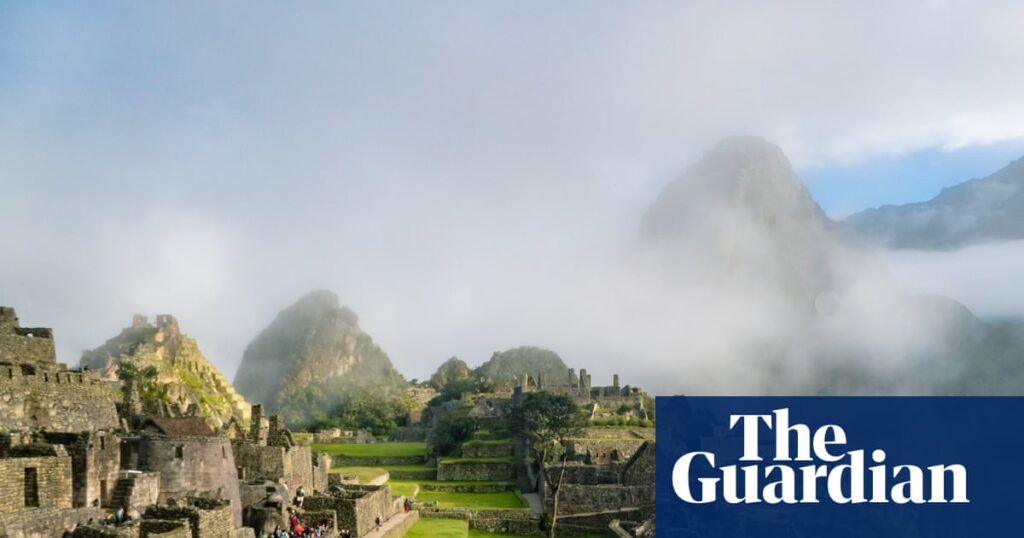
Machu Picchu, a UNESCO World Heritage site, attracts about 1.5 million visitors annually, most of whom travel by train to the nearby town of Aguas Calientes. The site, renowned for its intricate stone architecture, was constructed in the 15th century by the Incas and served as a retreat for the empire’s rulers.
The surge in visitor numbers, which has increased by approximately 25% over the past decade, has posed challenges for the region. Political unrest and disputes over the site’s management have occasionally disrupted tourism, with protests sometimes blocking the railway to Machu Picchu.
Safety Concerns and Historical Context
This recent accident is not the first to highlight the vulnerabilities of the transportation system serving Machu Picchu. The rugged terrain and limited access routes make railway travel essential yet potentially hazardous. Experts have long called for improved safety measures to accommodate the growing number of tourists.
According to tourism analyst Maria Delgado, “The infrastructure supporting Machu Picchu’s tourism is under immense pressure. Ensuring the safety of visitors and workers must be a priority for both the government and private operators.”
By the Numbers: 1.5 million visitors annually, 25% increase in tourism over a decade, 30 injured in the latest crash.
Looking Ahead
The tragic collision underscores the need for enhanced safety protocols and infrastructure improvements. As investigations continue, authorities and railway operators face mounting pressure to address these concerns to prevent future incidents.
Meanwhile, the suspension of train services could impact the local economy, heavily reliant on tourism. Stakeholders are urged to collaborate on sustainable solutions that balance the region’s economic needs with the preservation of its cultural heritage.
As the world watches, the response to this incident will likely shape the future of tourism in one of South America’s most treasured sites. The focus now shifts to ensuring that Machu Picchu remains accessible and safe for generations to come.