



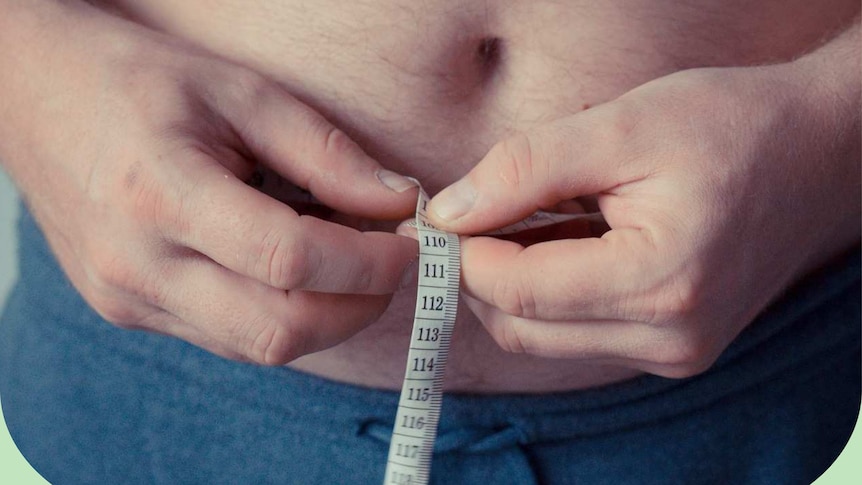
In a significant shift in the medical community, experts are advocating for a move away from the Body Mass Index (BMI) as a primary measure of health. Originally designed as a simple calculation to categorize individuals as underweight, healthy, or obese, BMI has been criticized for its limitations and potential for misinterpretation. This push for change is gaining momentum worldwide, with new guidelines proposed to redefine how obesity is classified.
Sam Hawley of ABC News Daily recently discussed the issue with Willow Moscarda, a 23-year-old student from Perth, who shared her personal struggles with BMI. Despite knowing she was not obese, Moscarda’s BMI consistently categorized her as such due to her disproportionately large breast size, which contributed significantly to her weight. This misclassification led to challenges in obtaining medical referrals for a breast reduction surgery, highlighting the real-world implications of relying solely on BMI.
The Origins and Misuse of BMI
According to Professor Louise Bower, a leading expert in Child and Adolescent Health at the University of Sydney, BMI has been in use for nearly two centuries. Originally developed by Belgian scientist Adolphe Quetelet as a way to assess the body size of soldiers, it was never intended as a measure of body fat. In the mid-20th century, nutritional scientists adapted it as a reasonable measure of body fatness.
“It was never designed as a measure originally of body fatness. It was really a measure of height to weight ratios in men in an army,” explained Bower.
Despite its origins, BMI became a widespread tool for assessing individual health risks, a shift that has led to numerous complications. The simplicity of BMI calculations—based solely on height and weight—fails to account for variations in muscle mass, bone density, and fat distribution, often leading to inaccurate health assessments.
Real-World Implications and Misclassifications
For individuals like Moscarda, the reliance on BMI can have profound implications. Her experience underscores the challenges faced by those whose body composition does not align with BMI’s narrow parameters. This is particularly evident in athletes, who may possess high muscle mass but low body fat, yet are classified as overweight or obese by BMI standards.
“Think of the All Blacks or great rugby players, who are big and muscly. They don’t have excess body fat, but if you simply used BMI, you’d run into an issue with that,” noted Bower.
This misclassification is not limited to those deemed overweight. Certain populations, such as individuals from the Indian subcontinent or East Asia, may appear to have a healthy BMI but possess a higher risk of diabetes and heart disease due to central fat distribution.
New Guidelines and a Broader Perspective
In response to these challenges, new guidelines have been proposed to redefine obesity classification. These guidelines introduce the concepts of clinical and preclinical obesity, distinguishing between individuals with high body fat who already experience health issues and those who do not.
“We’d call that preclinical obesity,” explained Bower, referring to individuals with high BMI but no immediate health problems. “It’s about thinking far more broadly and in a more nuanced way about the issue of obesity.”
These guidelines emphasize the need for a more comprehensive assessment of health, considering factors beyond BMI. This approach aims to reduce the stigma and barriers to treatment often faced by individuals with high BMI, encouraging a more supportive and understanding healthcare environment.
The Future of Health Assessment
While BMI remains a useful screening tool, experts like Bower stress the importance of using it as a starting point rather than an endpoint in health assessments. By adopting a broader perspective, healthcare providers can offer more personalized and effective care, addressing the unique needs of each patient.
As obesity rates continue to rise globally, this shift in perspective is crucial. It represents a move towards a more inclusive and accurate understanding of health, one that acknowledges the complexities of body composition and the diverse factors influencing individual well-being.
The transition away from BMI as a sole measure of health is not the end of its use but rather an evolution in its application. By integrating new guidelines and a more nuanced approach, the medical community can better support individuals in achieving optimal health outcomes.