



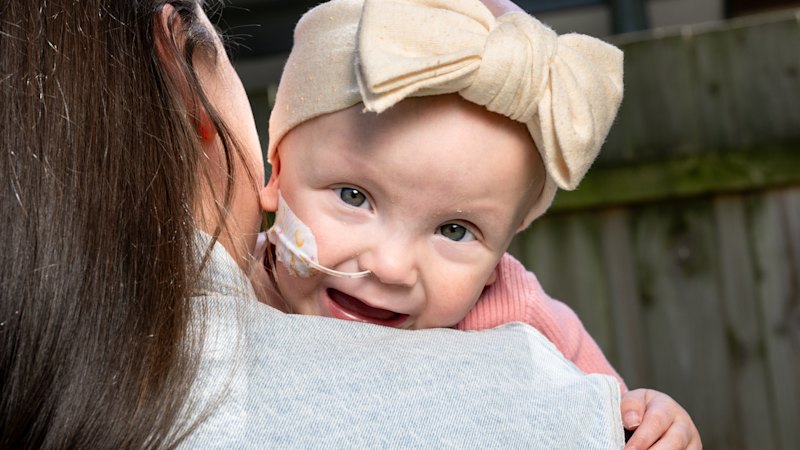
The Children’s Medical Research Institute has received a significant financial boost with a $5 million grant from the National Health and Medical Research Council (NHMRC). This funding aims to advance research into rare and aggressive cancers, including brain tumors like the one afflicting Audrey Scott, a toddler from Frankston diagnosed with medulloblastoma.
Audrey’s journey began shortly after her first birthday when she was diagnosed with this rare form of brain cancer. Despite undergoing surgery to remove a 4.5-centimetre tumor, she continues to face challenges due to the limitations of current treatment options. Her mother, Madeline Scott, emphasizes the urgent need for research, stating, “Research is really the only way that we’re ever going to find a cure, and it’s through projects like this that then allow breakthroughs to happen.”
Understanding ALT Cancers
The grant will support research into “ALT cancers,” which include various bone and soft tissue sarcomas, some pancreatic cancers, and many aggressive brain tumors. These cancers are characterized by a mechanism known as alternative lengthening of telomeres (ALT), which allows cancer cells to bypass normal cellular aging processes and continue to replicate indefinitely.
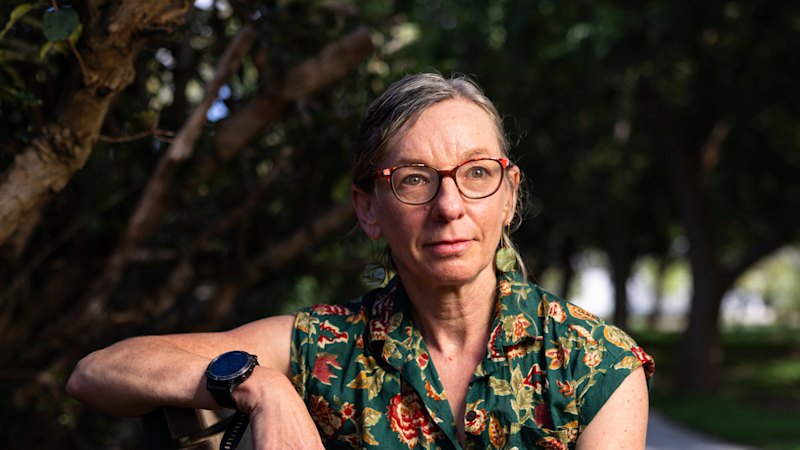
This discovery, initially made by scientists at the Children’s Medical Research Institute in the mid-1990s, has opened new avenues for potential treatments. Professor Hilda Pickett, who leads the research team, likens the process to preventing shoelaces from fraying. “We’re trying to target these mechanisms because, if you disrupt them, then the cells become incredibly unstable and essentially die,” she explained.
The Research Team and Goals
The multidisciplinary team includes researchers from Melbourne’s St Vincent’s Institute, the University of Sydney, the University of Wollongong, and a European-based start-up focused on developing therapeutics for ALT cancers. Their goal is to understand the structural and mechanistic aspects of the ALT pathway to develop targeted treatments.
“There’s a couple of proteins that we know that if we target them we get really, really striking outcomes to the cancer cells that use this pathway, and they’re very rapid,” Pickett noted. “And we think it’s a really, really good therapeutic option.”
While the research is still in its early stages, preliminary molecules are being examined for their potential to halt the ALT replication process. This represents a promising start for future treatments, particularly for young patients who have seen little progress in treatment options over the decades.
Broader Implications and Future Prospects
The project is one of 11 initiatives funded through the $55 million Synergy Grants scheme this year, underscoring the federal government’s commitment to tackling some of the toughest health challenges. Federal Health Minister Mark Butler highlighted the importance of these grants in advancing medical research and improving outcomes for patients with rare diseases.
As the research progresses, the hope is that these efforts will lead to new therapeutic options that can significantly improve survival rates and quality of life for patients like Audrey. The journey from discovery to clinical application is often long and complex, but the team remains optimistic about the potential breakthroughs on the horizon.
For families affected by rare cancers, such advancements offer a glimmer of hope in what can often be a daunting battle against the disease. As Madeline Scott and others continue to advocate for more research, the Children’s Medical Research Institute’s work stands as a beacon of hope and progress in the fight against rare cancers.