




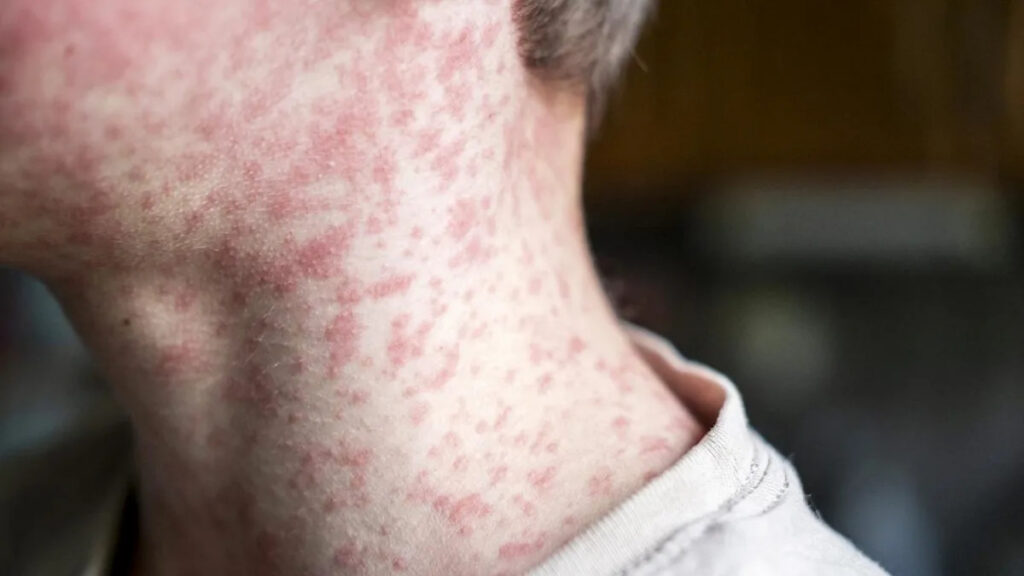
Health authorities in New South Wales have issued a measles alert following the diagnosis of an individual who visited several locations while infectious in Sydney, one of Australia’s major cities. The alert specifically targets Sydney Airport and western Sydney, urging vigilance among those who may have been exposed.
The individual reportedly returned from Southeast Asia, a region currently experiencing ongoing measles outbreaks. Authorities have advised that anyone who was on the same flight, visited the same locations, or knows someone who did should be on the lookout for symptoms.
Key Exposure Details
According to NSW Health, the exposure risk is linked to the following dates and locations:
- December 27, 2025: Flight GA712 from Jakarta to Sydney, arriving at 10:45 AM.
- December 27, 2025: Sydney Airport International arrivals hall from 10:45 AM to noon.
- December 29-30, 2025: Blacktown Hospital emergency department waiting room from noon on December 29 to 6 AM on December 30.
Authorities have clarified that these locations do not pose an ongoing risk. However, individuals who were present should remain vigilant for symptoms.
Symptoms and Precautions
Western Sydney Local Health District’s acting director of public health, Conrad Moreira, emphasized the importance of recognizing symptoms early. “Symptoms to watch out for include fever, sore eyes, runny nose, and a cough, usually followed three or four days later by a red, blotchy rash that spreads from the head and face to the rest of the body,” Moreira stated.
He further explained that symptoms might take up to 18 days to appear after exposure. “So it’s important for people who visited these locations to look out for symptoms until 17 January 2026,” he added.
Vaccination and Public Health Recommendations
Moreira also took the opportunity to remind the community about the importance of vaccinations. “We want to remind the community to make sure they are up to date with their vaccinations. The measles vaccine can prevent the disease even after exposure if given early enough,” he said.
He stressed that this situation serves as a crucial reminder for everyone to ensure they are protected against measles, which is highly infectious. “Anyone born after 1965 needs to ensure they have had two doses of measles vaccine. This is especially important before overseas travel, as measles outbreaks are occurring in several regions of the world at the moment,” Moreira concluded.
Global Context and Historical Parallels
The announcement comes as measles remains a significant public health concern globally, with outbreaks reported in various parts of the world. Historically, measles was a common childhood illness before the introduction of the vaccine in the 1960s, which drastically reduced its prevalence.
However, in recent years, a decline in vaccination rates in some regions has led to a resurgence of the disease. The World Health Organization has repeatedly highlighted the importance of maintaining high vaccination coverage to prevent outbreaks.
In Australia, public health campaigns have been instrumental in keeping measles cases relatively low. Yet, the interconnected nature of global travel means that vigilance is necessary, especially when returning from regions experiencing outbreaks.
Looking Ahead
As the situation unfolds, health authorities will continue to monitor for any further cases linked to this incident. The public is urged to stay informed and consult healthcare providers if they suspect exposure or experience symptoms.
This alert underscores the ongoing challenge of infectious diseases in a globalized world, where rapid travel can facilitate the spread of illnesses. It also highlights the critical role of vaccination in safeguarding public health.
For now, the focus remains on ensuring that those potentially exposed are aware and proactive in monitoring their health, while the broader community is reminded of the importance of vaccination in preventing such outbreaks.