



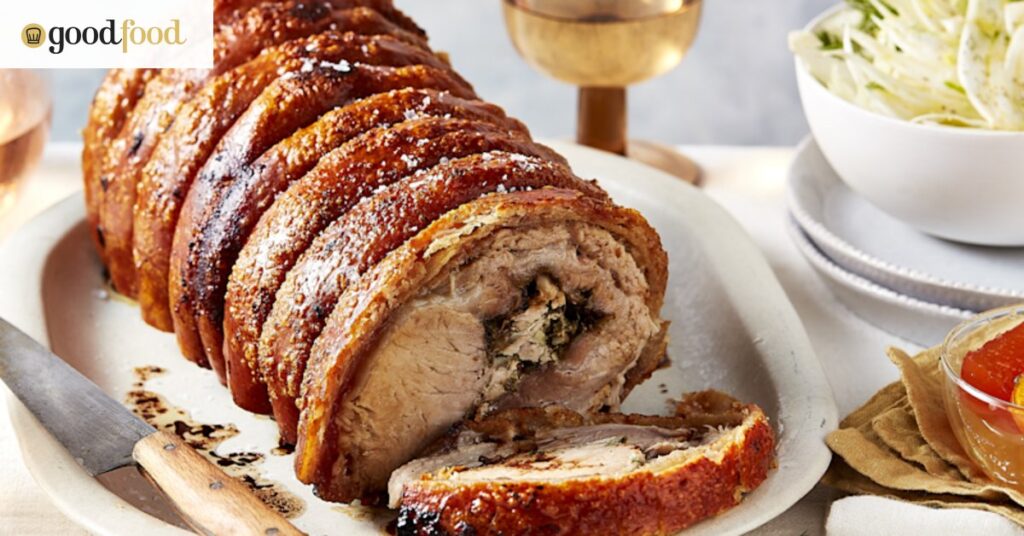
Renowned chef Adam Liaw has shared his ultimate guide to crafting the perfect porchetta, a traditional Italian roast that is as much about technique as it is about taste. For those eager to master this culinary delight, Liaw’s insights offer a comprehensive roadmap, from selecting the right cut of pork to achieving the coveted crackling.
Choosing the Perfect Pork
For a dish like porchetta, the choice of pork is crucial. Liaw advises home cooks to engage in a conversation with their local butcher, as these cuts are not typically available in supermarket aisles. The dish demands specific shapes and sizes, and a butcher can provide the necessary expertise and even a mock-up of the roll before purchase.
Many recipes suggest using only pork belly, but Liaw finds this approach lacking. “It’s too small a portion for the effort required and too fatty overall without the leanness that a piece of loin brings to the porchetta party,” he explains. Traditionally, porchetta is made from both the belly and loin of the same animal, though alternatives like pork fillet or neck can be used depending on preference.
The Female Pork Preference
Liaw recommends opting for female pork, or sow, due to its milder flavor. Male pork can sometimes have an odor and taste known as “boar taint,” which is caused by naturally occurring hormones. While this is a matter of personal preference, Liaw notes that sourcing pork from butchers who specifically supply sow can make a noticeable difference in the final flavor of the dish.
Achieving the Perfect Crackling
Crackling, the crispy skin that tops a well-cooked porchetta, is notoriously difficult to perfect. However, Liaw assures that the science behind it is straightforward. “Small amounts of super-heated water vapor in the pork skin burst through the surface, creating tiny craters,” he says. These craters are what give the skin its crisp texture.
For optimal crackling, Liaw suggests drying the skin with salt overnight to reduce moisture. Contrary to common practice, he advises starting the roast at a lower temperature and finishing with a high heat to achieve the desired crispness. “The key to perfect crackling is high heat and watching it like a hawk,” he emphasizes.
“To get perfect all-over crackling, you often have to push it until it’s charcoal-black in spots. Underneath the burnt parts is more crackling!”
Serving Suggestions
When it comes to serving porchetta, Liaw offers two distinct approaches. The first is a celebratory feast, where the porchetta is treated as a classic roast accompanied by sides like Italian mustard fruits, shaved fennel salad, roasted potatoes, and salsa verde. This approach highlights the dish’s rich flavors and makes for a memorable dining experience.
Alternatively, porchetta can be served in a more casual, street-food style. Thinly sliced meat and crackling can be placed in a panini or focaccia, moistened with drippings, and paired with pickles or a piquant sauce to balance the richness. Liaw leans towards the celebratory approach but suggests offering panini as an option for those who prefer a sandwich.
Final Thoughts
Liaw’s masterclass on porchetta not only provides a detailed recipe but also encourages cooks to experiment and personalize the dish. Whether opting for a traditional roast or a modern twist, the key is in the preparation and attention to detail. As Liaw concludes, “Don’t skimp on the sides. Many a great roast has failed by the cook focusing so much on the meat that they have neglected to consider what someone might want to eat it with for a complete experience.”