




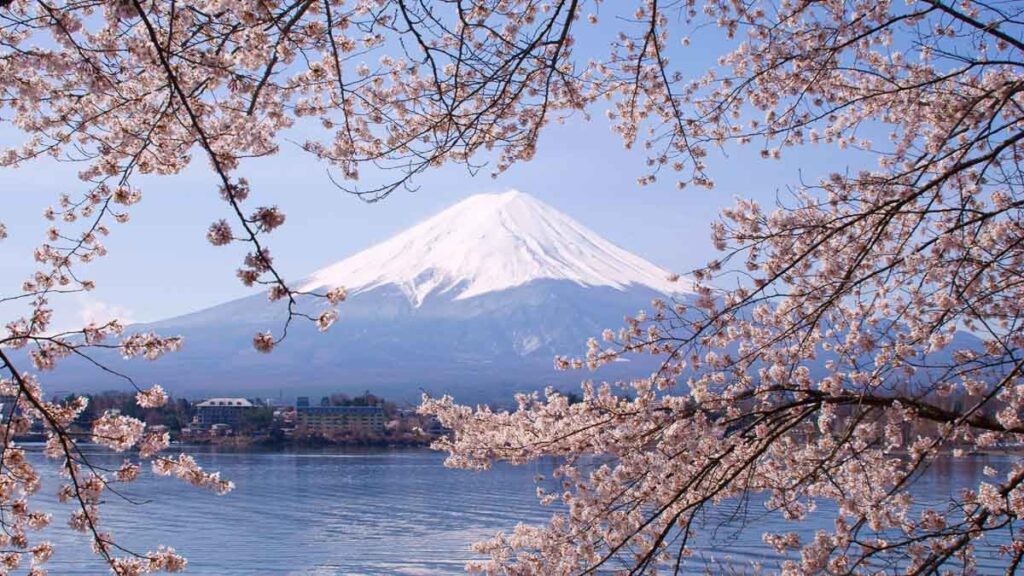
As the winter holiday season unfolds, a growing number of Americans are choosing to travel abroad, with Japan emerging as a top destination. Tokyo has become one of the most-booked international flight destinations, not just as a transfer hub to the rest of Asia, but because of a burgeoning global fascination with Japan. This trend presents a unique opportunity for Japan to revitalize its economy by capitalizing on its cultural allure.
In recent years, Japan has become a cultural powerhouse, captivating the world with its unique blend of tradition and modernity. This phenomenon is not only reflected in tourism statistics but also in the widespread influence of Japanese culture across the globe.
The Rise of Japanese Cultural Exports
Japan’s cultural exports, including manga, anime, and cuisine, have seen a meteoric rise in popularity. Despite initial skepticism from industry insiders, such as a manager at Kodansha who doubted the global appeal of Asian media, the evidence of Japan’s cultural impact is undeniable. From the success of Japanese films at international awards to the global popularity of anime and manga, Japanese culture has permeated the global consciousness.
In a 2024 survey by Polygon, 42% of Gen Z in the U.S. reported watching anime weekly, surpassing the 25% who watch the NFL.
This cultural influence extends beyond entertainment. Japanese cuisine, once a niche interest, has become a culinary sensation. Dishes like ramen and sushi have become staples in cities worldwide, with restaurants often boasting long lines and high demand. The appeal of Japanese culinary arts is further evidenced by the proliferation of matcha shops and the popularity of wagyu beef.
Japan’s Urban Appeal
Japan’s cities are a major draw for tourists and expatriates alike. Unlike many Western cities, Japanese urban areas offer a unique blend of walkability, safety, and commercial density. The distinctive urban landscape, characterized by vibrant zakkyo buildings with their vertical mix of shops and restaurants, creates an environment ripe for exploration and discovery.
Tokyo, in particular, stands out for its blend of modernity and tradition, offering a dynamic urban experience that is both adventurous and secure. This urban charm is a significant factor in the increasing number of foreigners choosing to live and work in Japan.
Economic Implications of Japan’s Global Appeal
The surge in tourism and cultural interest presents Japan with significant economic opportunities. The influx of tourists has familiarized the world with Japan, dispelling stereotypes of it being a closed-off nation. This increased awareness and appreciation have the potential to boost foreign direct investment (FDI), particularly in high-tech industries where Japan excels.
Japan topped the Anholt-Ipsos Nation Brands Index in 2023, highlighting its strong international reputation.
Moreover, the tourism boom has prompted Japanese cities to become more accommodating to foreigners, with increased signage in multiple languages and a more welcoming atmosphere. This shift is crucial for attracting long-term residents and investors who can contribute to Japan’s economic growth.
The Future of Japan’s Cultural and Economic Influence
Japan’s global appeal is not just a passing trend but a testament to its unique cultural and urban offerings. As more people around the world embrace Japanese culture, the potential for economic growth through increased tourism and investment continues to rise. Understanding and leveraging this cultural phenomenon can help Japan reclaim its position as a global leader in innovation and creativity.
Ultimately, Japan’s allure lies in its ability to offer an alternative modernity—one that combines the wealth and freedom of the West with a distinct cultural identity. For those looking to invest in Japan, the key lies in recognizing and harnessing this unique blend of cultural and economic potential.