



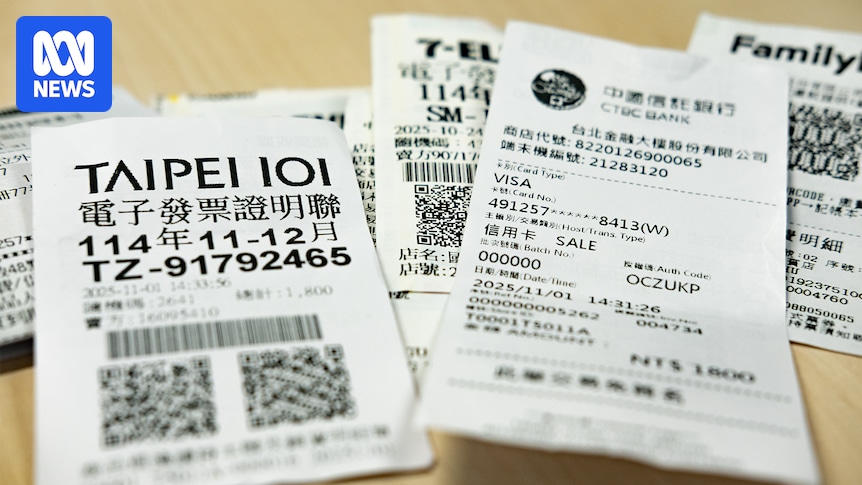
When shopping in Taiwan, a common question follows any transaction: “Would you like a receipt?” For many, the answer is an enthusiastic yes, as these receipts double as lottery tickets, offering a chance at winning substantial cash prizes. This intriguing system, which has been in place since 1951, is a clever strategy to boost tax compliance.
Every two months, on the 25th day, a draw takes place, and receipts with matching numbers can win prizes ranging from NT$200 (approximately $10) to a staggering NT$10 million (around $480,000). This lottery system is not just a local curiosity but a successful model that has inspired similar initiatives in countries like Brazil, Portugal, and Slovakia.
The Mechanics of the Receipt Lottery
The receipt lottery is straightforward. Each receipt for goods or services contains a unique eight-digit number. Whether the purchase is a simple iced matcha latte or a luxury car, every receipt is a potential lottery ticket. However, exceptions exist for certain transactions, such as public transport and medical care.
The Ministry of Finance oversees the lottery, drawing multiple sets of numbers every odd month. To win the top prize, all eight digits on a receipt must match the special prize numbers. There are several prize tiers, with the value decreasing as fewer numbers match. Winners have three months to claim their prizes, with smaller amounts redeemable at convenience stores and larger sums requiring a visit to a bank or tax office.
Participation and Accessibility
The lottery is open to everyone in Taiwan, including tourists. As the Taipei Economic and Cultural Office in Australia notes, “Taiwanese citizens, foreign residents, and short-term visitors can all participate as long as they receive a valid receipt in Taiwan.” However, winners must claim their prizes in person within the three-month deadline.
Adapting to the Digital Age
With technological advancements, the process of checking receipts has evolved. Jenna Lin, a digital designer in Taipei, explains that people no longer need to keep physical receipts. “Nowadays, people either provide a QR code at the time of purchase, or the transaction is stored on your credit card, and your bank will notify you of a win,” she says. This shift reduces paper waste, aligning with Taiwan’s emphasis on sustainability.
Lin also highlights the lottery’s popularity, noting that “the only people not participating are those too lazy to collect their winnings.” Furthermore, receipts can be donated to charities, allowing non-profits to benefit from any potential winnings.
The Impact on Tax Compliance
The introduction of the receipt lottery was a strategic move to increase tax compliance by encouraging consumers to request receipts, thus ensuring that sales are officially recorded. In the year following its implementation, sales tax revenue reportedly increased by 75%.
The Taipei Economic and Cultural Office in Australia emphasizes that the system effectively involves the public in monitoring business transactions, thereby strengthening tax fairness and improving revenue collection. “The government effectively involved the public in monitoring business transactions,” it states, highlighting the program’s success.
Global Perspectives
While the receipt lottery has proven effective in Taiwan, its applicability elsewhere is debated. ANU tax expert Michael Kobetsky suggests that a similar program might not work in Australia. “It is a measure to counter the cash economy by recording transactions,” he explains. “Since COVID-19, fewer transactions are made with cash in Australia.”
Meanwhile, other countries continue to observe Taiwan’s model, considering its potential benefits in enhancing tax compliance and reducing tax evasion.
As Taiwan continues to innovate its approach to tax compliance, the receipt lottery remains a fascinating example of how creative solutions can address complex challenges. With its blend of chance and civic duty, the system not only engages the public but also contributes significantly to the nation’s economic health.