
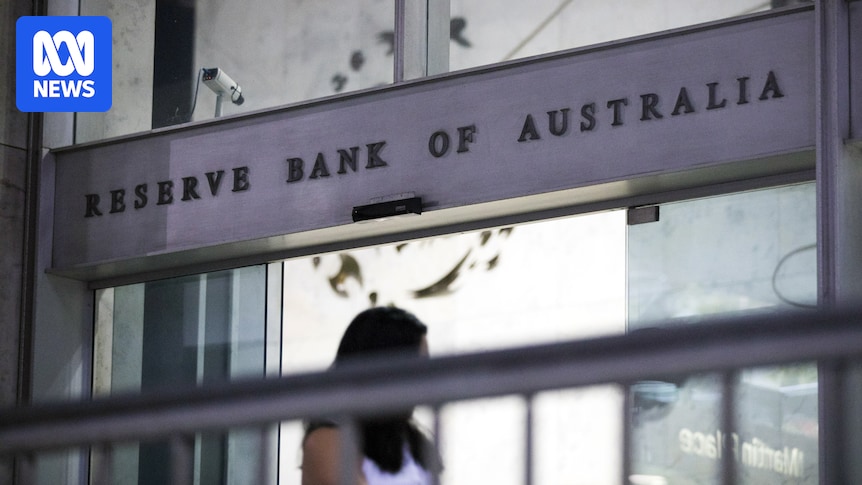



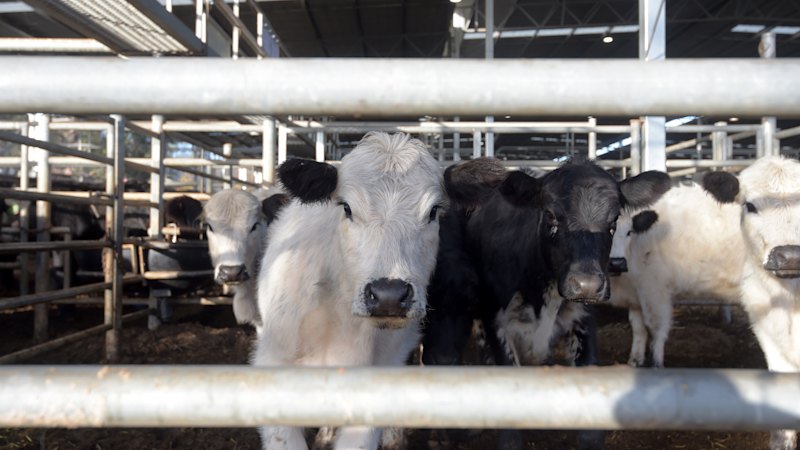
China has announced new quotas on beef imports to safeguard its domestic farmers and producers, a move that could significantly impact major beef-exporting nations such as Australia, Brazil, and Argentina. Starting January 1, shipments exceeding these limits will incur a hefty 55% duty, according to a statement from the Ministry of Commerce. This decision follows a comprehensive investigation initiated in December 2024, which concluded that rising beef imports were detrimental to China’s local industry.
The Australian Meat Industry Council expressed its profound disappointment, warning that these measures could slash Australia’s beef exports to China by about a third, affecting trade valued at over $1 billion. “This decision will have a severe impact on trade flows to China over the duration of the measures’ enforcement,” stated Tim Ryan, the council’s chief executive officer.
Global Repercussions of China’s Quota
The ripple effects of China’s decision are expected to be felt worldwide. As the world’s largest beef importer, China’s new policy could restrict beef flows globally, affecting producers and cattle farmers in various countries. In November, China imported 2.6 million tonnes of beef, as per customs data.
Brazil, another major exporter, could face significant economic challenges. The South American nation risks losing up to $3 billion in revenue in 2026 due to the new quotas, according to the Association of Refrigerated Meat Packers. Brazil’s beef exports to China accounted for nearly half of its total beef exports, making the country one of the hardest hit by these measures.
“Adjustments will be required throughout the entire chain, from production to exports, in order to avoid broader impacts,”
industry groups in Brazil have noted.
Implications for the United States and Other Markets
While the United States may experience less immediate impact, the long-term effects of China’s import quotas remain a concern. The US has been allocated quotas of 164,000 tonnes in 2026, increasing slightly each year. This is above current trade levels, as earlier this year, China did not renew export registrations for US beef plants, constraining shipments.
Joe Schuele, senior vice president of communications at the US Meat Export Federation, emphasized the importance of regaining full market access in China. “Our main priority is to get the market fully reopened,” he stated, acknowledging that while the safeguard is a concern, it does not pose an immediate threat to export volumes.
Strategic Adjustments and Market Dynamics
China’s decision may inadvertently benefit consumers outside its borders by increasing beef supplies and potentially lowering prices that have escalated due to high demand and limited availability. Altin Kalo, chief economist at Steiner Consulting Group, suggested that suppliers might attempt to front-load shipments to avoid surpassing the new thresholds, giving buyers in other countries more negotiating power.
In China, the surge in beef imports has coincided with rising incomes, prompting the government to encourage local farmers to increase cattle production. However, this has led to an oversupply, with wholesale beef prices dropping to their lowest since 2019 earlier this year.
“The measures could also broadly protect the Chinese pork industry, which had declined as consumers were ‘eating too much foreign beef and not enough domestic pork,'”
noted Brian Earnest, lead animal protein economist at CoBank ACB.
Future Outlook and Strategic Discussions
Brazil’s Agriculture Minister, Carlos Favaro, has indicated that discussions with China are underway to clarify what counts towards the quota and explore the possibility of reallocating unused quotas from other countries to Brazil. This strategic dialogue aims to mitigate the adverse effects on Brazil’s beef industry.
As the global beef market adjusts to these new dynamics, the long-term implications of China’s import quotas will unfold, potentially reshaping trade patterns and prompting strategic shifts among major beef-exporting nations.