




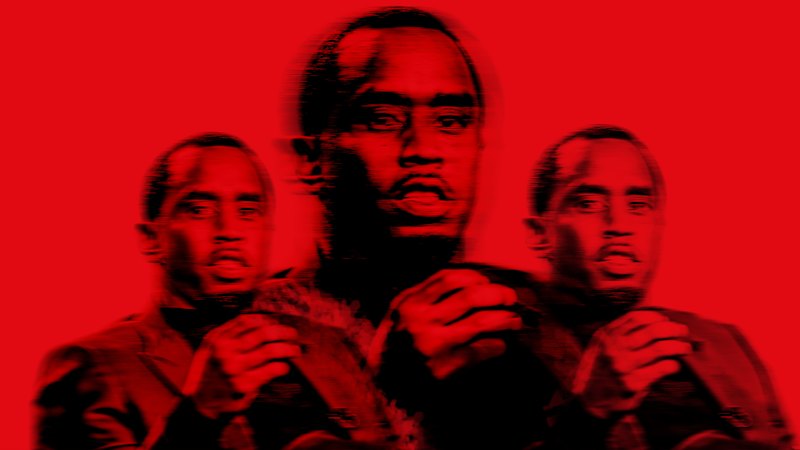
Sean Combs, the renowned recording artist and hip-hop mogul also known by his various monikers P Diddy, Puff Daddy, and Love, finds himself at the center of explosive allegations stemming from a new Netflix documentary. The four-part series, Sean Combs: The Reckoning, claims that Combs ordered the murder of West Coast rapper Tupac Shakur in 1996, allegedly offering a $1 million fee to members of the LA gang, The Crips.
The documentary’s release comes just two months after Combs was sentenced to 50 months in jail for charges unrelated to the murder allegations. Directed by Emmy winner Alexandria Stapleton and executive produced by rapper 50 Cent, the series has sparked significant controversy, with Combs’ legal team challenging the documentary’s use of footage from his trial in New York, claiming it was obtained without permission.
Background and Context
The allegations against Combs are not new but have been reignited by the documentary’s claims. The series delves into Combs’ past, painting a picture of a man with a complex and controversial history. Born into a world of crime, Combs’ father was a drug dealer who was killed when Combs was just two years old. This early exposure to the criminal underworld is explored in the documentary, with Combs himself acknowledging his father’s influence.
Combs’ rise to fame in the music industry was marked by his savvy business acumen and ruthless management style. The documentary suggests that his business practices were often exploitative, with former artists alleging that Combs would charge exorbitant fees for studio time and deduct his own fees from their royalties.
Allegations of Murder and Manipulation
One of the most shocking claims made in the documentary is that Combs allegedly orchestrated the murder of Tupac Shakur. According to former LAPD detective Greg Kading, who appears in the series, Combs allegedly discussed the murder with Duane “Keffe D” Davis, a senior member of The Crips, offering a $1 million fee for the hit on Shakur and Suge Knight, the boss of rival label Death Row Records.
“The million-dollar solicitation amount, only half of it was fulfilled,” says Kading, “because only Tupac and not Suge was killed.”
Davis, who is set to stand trial in 2026 for Shakur’s murder, has since claimed his evidence was given under duress, adding another layer of complexity to the case.
Combs’ Business Practices Under Scrutiny
The documentary also highlights Combs’ alleged exploitation of his artists. Former artist Mark Curry claims that Combs would insert himself into recordings and music videos, profiting at the expense of the artists. “If Puff records a song with his artist, he pays himself,” Curry says, suggesting a pattern of financial manipulation.
In a particularly damning segment, the documentary alleges that Combs played a role in the death of another prominent rapper, The Notorious B.I.G., by insisting on a trip to Los Angeles despite the artist’s fears for his safety. B.I.G. was assassinated in LA, a tragedy that the documentary suggests could have been avoided.
Legal and Ethical Implications
The allegations against Combs have significant legal and ethical implications. While Combs’ legal team has dismissed the documentary as a “shameful hit piece,” the claims have reignited public interest in the unsolved murders of Tupac Shakur and The Notorious B.I.G. The documentary’s release could potentially impact ongoing investigations and legal proceedings.
“In fact he was a hindrance in the investigation,” says Kading, referring to Combs’ alleged lack of cooperation with police inquiries into B.I.G.’s murder.
As the legal battles continue, the documentary raises important questions about the ethics of using potentially unauthorized footage and the responsibility of media producers to ensure accuracy in their portrayals.
Looking Ahead
The release of Sean Combs: The Reckoning has undoubtedly stirred controversy and debate. As Combs’ legal team prepares to fight the allegations, the documentary serves as a stark reminder of the unresolved mysteries surrounding the deaths of two of hip-hop’s most iconic figures. Whether the series will lead to new developments in these cases remains to be seen, but it has certainly reignited public interest and scrutiny.
As the legal proceedings unfold, the documentary’s impact on Combs’ career and legacy will be closely watched. The allegations, if proven, could have far-reaching consequences for the music industry and the legacy of one of its most influential figures.