


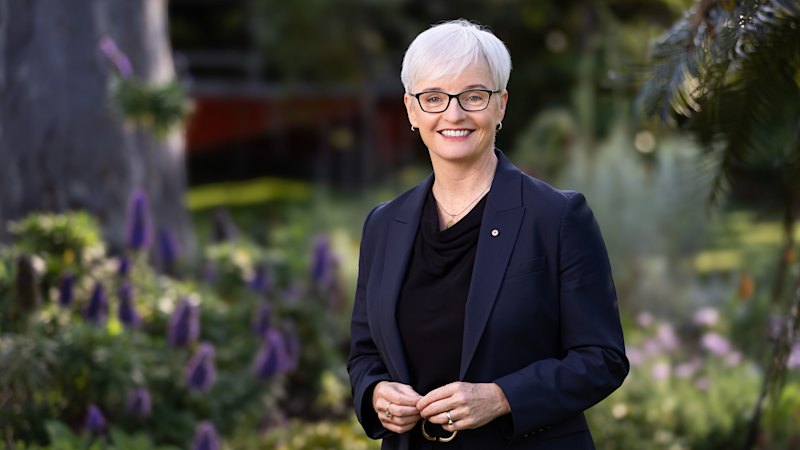
The University of Melbourne is mourning the loss of its first female vice chancellor, Professor Emma Johnston, who passed away at the age of 52 due to cancer. Johnston’s tenure, though brief, was marked by her exceptional leadership and vision for the future of the university. She took on the role in February 2025, succeeding Duncan Maskell, during a challenging time for the institution.
Described as a “visionary leader in science and research,” Johnston was a renowned marine ecologist whose work and influence extended far beyond the university. She is survived by her husband and two children, and her passing has left a profound impact on the academic community.
A Legacy of Leadership and Innovation
Johnston’s appointment as vice chancellor came after a period of turbulence for the University of Melbourne, which had been navigating the complexities of COVID-19, pro-Palestinian protests, and debates over international student caps. Her leadership was seen as a beacon of hope and progress.
Despite her illness, Johnston remained committed to her role, finalizing a resilience strategy for the university just weeks before her death. This was the first step in her ambitious 10-year plan aimed at enhancing the institution’s academic and research capabilities.
“We know she touched so many lives and her legacy will continue through the work of her many students, colleagues, and mentees,” a spokesperson for her family shared.
Contributions to Science and Education
Johnston’s career was distinguished by her dedication to marine ecology and higher education. She was a director of the CSIRO and the Great Barrier Reef Marine Park Authority, and a chief author of the current State of Environment Report. Her academic contributions include 185 peer-reviewed journal articles and the supervision of over 35 higher degree students.
Before her role at the University of Melbourne, she served as pro vice-chancellor (research) and dean of science at the University of New South Wales, and deputy vice-chancellor (research) at the University of Sydney from 2022 to 2024. Her colleagues at these institutions are among those grieving her loss.
“Emma’s career was marked by brilliant achievements, but her family was her greatest joy. Our hearts go out to her husband and children,” said University of Sydney Vice Chancellor Professor Mark Scott.
Recognition and Impact
In recognition of her contributions to higher education and marine ecology, Johnston was made an officer of the Order of Australia in 2018 and elected a fellow of the Australian Academy of Science in 2022. Her commitment to students was unwavering, as noted by University of Melbourne Chancellor Jane Hansen.
“She did everything she could to ensure they were best equipped to achieve their goals. Most of all, she just liked spending time with them to hear their stories. They were her inspiration,” Hansen remarked.
Johnston was also a staunch advocate for women and girls in science, promoting their capacity to study and contribute to the field. Her efforts have left a lasting impact on the scientific community and beyond.
National and Global Mourning
The Group of Eight universities described Johnston’s death as an “unfathomable loss for Australia’s higher education and research community.” Vicki Thomson, Go8 Chief Executive, expressed the shared grief felt across the nation’s universities.
“Emma was simply amazing – brilliant in her science, principled in her leadership, and unfailingly generous as a colleague and mentor,” Thomson stated.
In a heartfelt obituary, Australian Academy of Technological Sciences and Engineering CEO Kylie Walker and UNSW Professor Rob Brooks reflected on Johnston’s mission to “save the world.”
“Emma’s final months were marked by a fierce doubling-down on this mission – she understood that she was running out of time,” they wrote, noting her relentless dedication even in the face of her illness.
As the University of Melbourne and the broader academic community come to terms with this loss, Johnston’s legacy will undoubtedly inspire future generations of scientists and educators. Her vision for a better world, particularly in the realms of marine ecology and higher education, will continue to guide those who follow in her footsteps.