

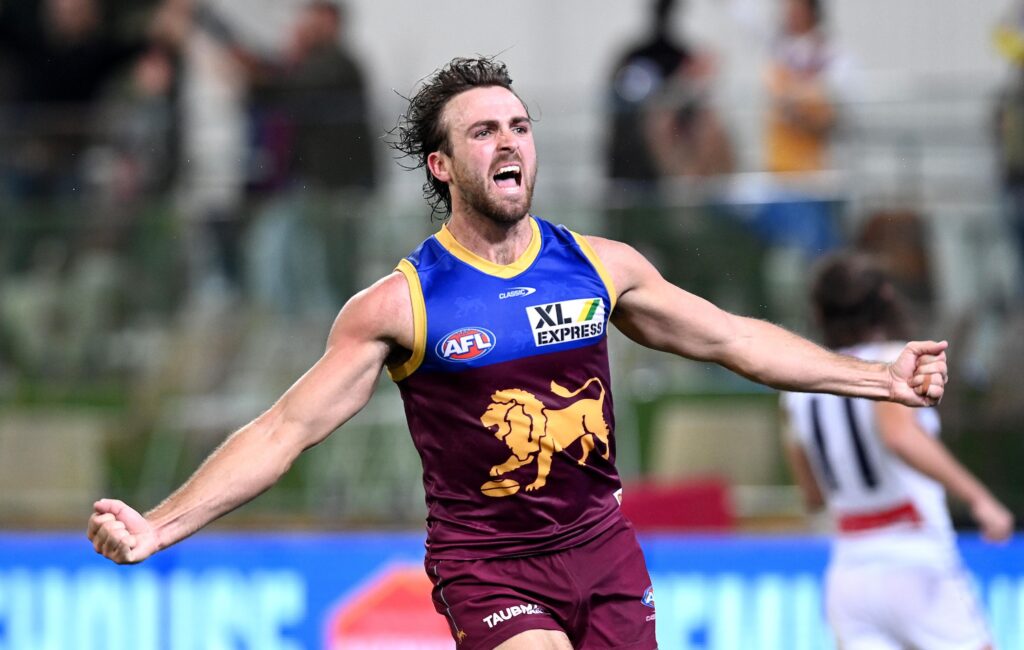
The Australian Football League (AFL) has confirmed that former Brisbane Lions player Rhys Mathieson has been handed a three-year suspension for an anti-doping violation. The ban stems from an in-competition sample collected on August 10 last year, while Mathieson was playing for Wilston Grange in the Queensland Australian Football League. The sample tested positive for Oxymetholone, a substance classified as an Anabolic Androgenic Steroid under the World Anti-Doping Code.
The suspension, which was announced on Thursday, prohibits Mathieson from participating in any sports governed by the World Anti-Doping Code until August 10, 2027. This decision underscores the AFL’s commitment to maintaining the integrity of the sport by enforcing strict anti-doping regulations.
Mathieson’s Response and Future Aspirations
In response to the ban, Mathieson, who is 28 years old, acknowledged his awareness of the banned substance. He revealed his intentions to transition from a professional football career to bodybuilding, expressing a willingness to experiment with various supplements to achieve his new goals.
“I dived into a lot of gym supplements, I mean a lot – a lot of them. And some you would just buy off the shelves … and some of the boys had their own and I was willing to put anything, sort of, in my body to transform,” Mathieson said on the Rip Through It podcast.
Mathieson elaborated on his passion for bodybuilding, stating, “I liked the science behind transforming your body. I really have a passion for it, I like to see these guys competing. And one day maybe I will compete. So that is a goal, I would love to be from a pro footy player to a pro bodybuilder.”
Career Overview and Transition
Rhys Mathieson played 72 games for the Brisbane Lions after being drafted with pick 39 in the 2015 AFL draft. His last appearance for the Lions was in 2022. Despite his efforts, Mathieson was unable to secure a spot in the Lions’ senior team during the 2023 season as the team advanced towards a Grand Final. Consequently, he was delisted at the end of that year.
Mathieson’s transition from professional football to bodybuilding highlights a growing trend among athletes who seek new avenues to channel their competitive drive and physical prowess. The use of supplements in bodybuilding, however, often raises questions about the fine line between legal enhancement and doping violations.
Implications and Broader Context
The AFL’s decision to impose a three-year suspension on Mathieson serves as a reminder of the stringent measures in place to deter doping in sports. The case also sheds light on the challenges athletes face when transitioning out of professional sports, where the allure of performance enhancement can sometimes lead to unintended consequences.
According to sports psychologist Dr. Emily Carter, “Athletes often struggle with identity and purpose after retiring from professional sports. The transition can be difficult, and the temptation to maintain a high level of physical performance can lead to risky decisions.”
As Mathieson navigates his new path, his story may serve as both a cautionary tale and a testament to the evolving landscape of post-athletic careers. The AFL’s commitment to upholding anti-doping standards remains firm, as it continues to ensure a level playing field for all athletes.
Looking ahead, Mathieson’s case could prompt further discussions within the sporting community about the support systems needed for athletes transitioning to life after professional sports. As the AFL and other sporting bodies reinforce their anti-doping policies, the focus on athlete education and post-career planning becomes increasingly crucial.


