



When Warner Bros celebrated its centennial in 2023, it marked the occasion with a four-part docuseries exploring its illustrious history. In one memorable scene, Warner Bros Discovery CEO David Zaslav proudly displayed a cherished artifact: the bird statue from the 1941 film noir classic, The Maltese Falcon. “It has special meaning to me,” Zaslav explained, referencing the iconic line delivered by Humphrey Bogart, “It’s the stuff dreams are made of.” Yet, as Hollywood faces seismic shifts, dreams seem overshadowed by uncertainty.
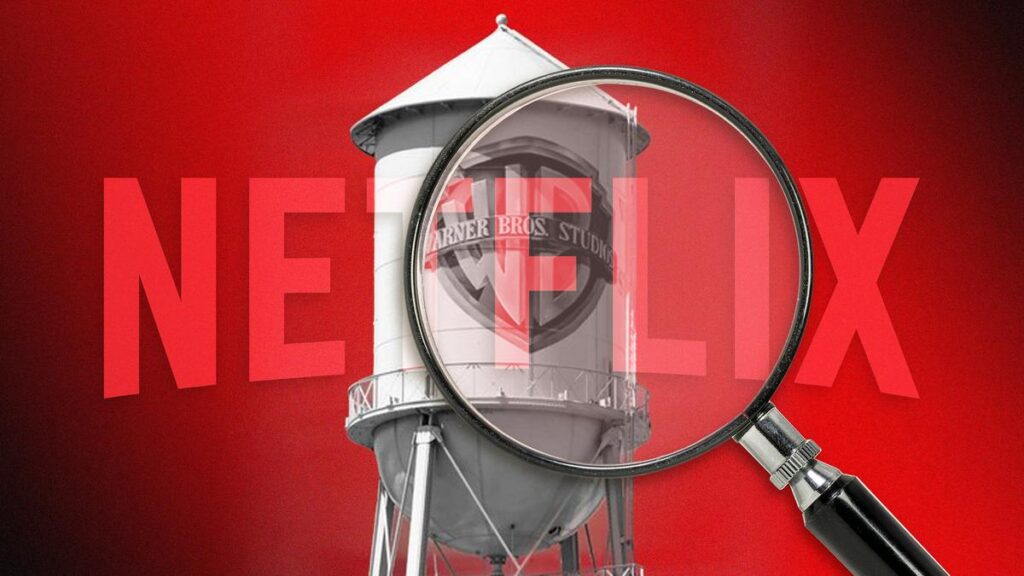
The entertainment industry is abuzz following the announcement of Warner Bros’ sale to Netflix, a Silicon Valley powerhouse. The $82.7 billion deal, pending regulatory approvals in the US and possibly the EU, has sparked apprehension among cinema owners, guilds, and industry veterans. Theatrical box office receipts, still recovering from pandemic disruptions, face further decline as Netflix’s co-CEO Ted Sarandos, known for his skepticism about the traditional cinema experience, takes the helm.
Impact on Cinema and Streaming Dynamics
This acquisition represents a pivotal moment for the film industry. Netflix, notorious for challenging theatrical norms, has historically limited its films’ cinema runs, favoring streaming debuts. The potential shift in Warner Bros’ release strategy could further erode cinema attendance, despite Netflix’s initial commitment to maintain existing models.
According to industry insiders, consolidation often leads to reduced consumer choices and increased costs. The merger raises questions about the future of Warner Bros’ other prized asset, HBO, renowned for its premium content and cultural impact.
The HBO Legacy: A Cultural Powerhouse
HBO’s journey from a cable add-on to a cultural juggernaut is storied. The brand, synonymous with prestige television, has produced iconic series such as The Sopranos, Game of Thrones, and Succession. In the early 2000s, HBO’s tagline, “It’s not TV. It’s HBO,” underscored its unique position in the entertainment landscape.
Netflix’s admiration for HBO is well-documented. Sarandos, who once aspired to emulate HBO’s model, now faces the challenge of preserving its legacy. The question remains: will Netflix integrate HBO into its platform, or maintain it as a distinct entity?
Strategic Considerations and Industry Reactions
Netflix’s acquisition strategy has historically focused on volume and mass appeal, a departure from its early emphasis on prestige. The integration of HBO poses a strategic conundrum. Will Netflix leverage HBO’s brand equity by keeping it separate, or incorporate it into its existing offerings?
Industry experts suggest that maintaining HBO’s autonomy could be beneficial. “HBO’s brand is a beacon of quality,” notes media analyst Sarah Thompson. “Diluting it could alienate loyal audiences.”
“In the past 10 years of the Emmys, HBO won best drama eight times. Netflix has only won once.” – Industry Analyst
Future Prospects and Challenges
The merger’s implications extend beyond content strategy. Technological integration, audience reach, and brand positioning are crucial considerations. HBO’s clunky user interface could benefit from Netflix’s technological prowess, potentially enhancing user experience.
However, the cultural clash between Netflix’s data-driven approach and HBO’s creative ethos presents challenges. The entertainment world watches closely as Netflix navigates these complexities.
Conclusion: Navigating Uncertain Waters
The Netflix-Warner Bros acquisition is a defining moment in entertainment history. As the industry grapples with this seismic shift, the future of cinema and HBO hangs in the balance. Will Netflix honor HBO’s legacy, or prioritize its brand dominance?
As Hollywood contemplates its next chapter, the words of The Maltese Falcon resonate: Is this acquisition the stuff dreams are made of, or a harbinger of change driven by ambition and disruption?