



What began as muscle weakness soon escalated into an inability to walk. Simon Beck, a psychedelic harm reduction researcher, observed a person who had consumed a magic mushroom swinging between being strong enough to move and feeling too weak to stand. “It sort of progressively got better and they still had a little bit of weakness the next day after they’d slept, but it wasn’t anywhere near as dramatic,” Beck noted. “That was pretty interesting because that’s a fairly unusual way for weakness to present clinically.”
Beck was witnessing a phenomenon known as “wood-lover paralysis” within the illicit psychedelic drug community. Despite its occurrence, this condition is not currently described in medical literature. The syndrome, suspected to be drug-related, is often linked to the consumption of the native Australian hallucinogenic fungi Psilocybe subaeruginosa. Although cases appear to be rare, Beck suspects it could be deadly in certain circumstances.
Understanding Wood-Lover Paralysis
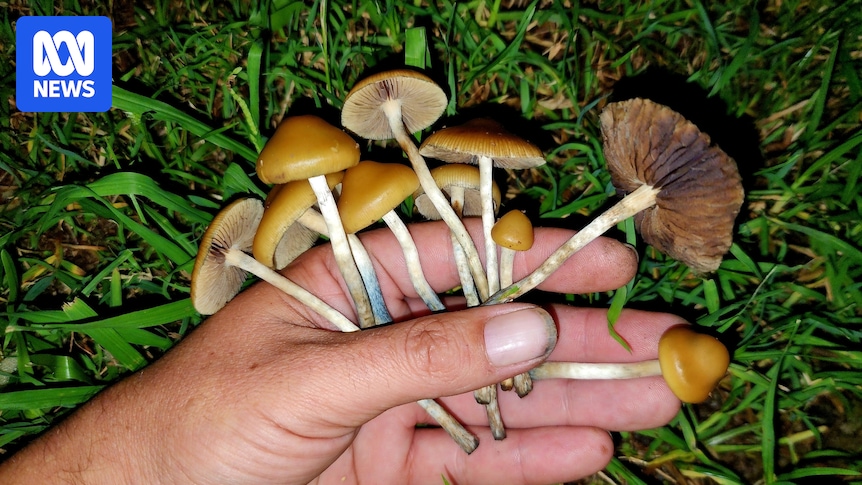
Wood-lover paralysis is named after the Psilocybe subaeruginosa species, a “magic” mushroom that grows from woody material in various regions of Australia. Identifying this species is challenging due to several poisonous look-alikes that share the same habitats. As part of his research at the University of New South Wales, Beck aims to unravel the symptoms and potential causes of this paralysis.
In a survey conducted by Beck and colleagues involving 392 magic mushroom users, 42 percent reported experiencing weakness at least once after consuming fungi. Notably, 158 of the 165 individuals who reported weakness attributed it to wood-growing mushrooms. Only one case was linked to Psilocybe cubensis, a species that grows out of dung. Symptoms typically appeared within four hours of ingestion, with effects lasting from a few hours to up to three days.
Dr. Beck emphasized that the survey targeted users who had experienced paralysis, thus it does not reflect the general prevalence of the syndrome.
Australian mycologist Alistair McTaggart, from Psymbiotika Lab, suggested that the cause might be an additional tryptamine, a hallucinogen produced by mushrooms with duplicated genes. “When a gene is duplicated, sometimes the copy does something completely different from the original gene,” McTaggart explained.
The Potential Dangers
The question of whether wood-lover paralysis could be fatal remains unanswered. A Victorian coroner’s inquest earlier this year could not rule out the involvement of wood-lover mushrooms in the death of 53-year-old Rachael Dixon in 2024. Dixon consumed a brew containing magic mushrooms at an unregulated wellness retreat, which resulted in several participants exhibiting symptoms consistent with wood-lover paralysis.
Dr. Beck shared details of two suspected, though unpublished, severe cases of wood-lover paralysis. The first involved a New Zealand mushroom user who experienced weakness and difficulty breathing before being found unresponsive and dying. The second case involved an Australian who required CPR and a breathing tube but recovered the next day.
Increasing Use of Psychedelic Drugs
Psychedelic drug use is on the rise in Australia. The National Drug Strategy Household Survey from 2022–23 reported an increase in psychedelic drug use from 1.6 percent in 2019 to 2.4 percent three years later, equating to approximately 500,000 annual users. Mushrooms and psilocybin were the most common hallucinogens, with 1.8 percent of Australians using them during this period.
A retrospective analysis of calls to Australia’s largest poison information line in New South Wales also showed a rise in psychedelic inquiries, from 45 in 2014 to 105 in 2022. Nearly half of these calls were related to psilocybin, with most originating from hospitals. Although wood-lover paralysis was not specifically recorded, other psychological and physical issues such as vomiting and high heart rates were noted.
Ethnopharmacologist and clinical psychologist Stephen Bright from Edith Cowan University highlighted that the high cost of experimental psychedelic treatments introduced in Australia in 2023 has led some individuals to source drugs independently, increasing risks.
Psychological and Ethical Considerations
As psychedelic-assisted therapy gains traction, ethical dilemmas arise for psychologists whose patients express interest in using illicit psilocybin. Carissa Dutton, a registered psychologist and PhD student at James Cook University, expressed the challenges faced by psychologists in providing harm reduction support. “Currently my understanding is that we can provide preparation and education prior to someone having an experience and we can provide integration support after. But we cannot be present when someone is taking the drug itself,” Dutton stated.
Dutton led a study examining harm reduction methods among illicit psychedelic drug users. “We found that people using psilocybin for self-exploration or mental health treatment were more likely to implement strategies to reduce risks of harm,” she noted. However, she emphasized the need for more research to determine the effectiveness of these strategies.
As the conversation around psychedelics continues to evolve, experts like Zena Burgess, CEO of the Australian Psychology Society, stress that “psychedelic-assisted therapy should only be undertaken in an approved setting.”
As magic mushroom use increases, the need for comprehensive research and clear guidelines becomes more pressing. The implications of wood-lover paralysis and other potential risks underscore the importance of informed decision-making and harm reduction strategies in the realm of psychedelic drug use.