




England celebrated a momentous victory in Australia, securing their first Test win on Australian soil in nearly 15 years. The triumph came as England chased down 175 runs for a four-wicket victory, completing the match in less than two days. The swift conclusion of the Boxing Day Test at the Melbourne Cricket Ground (MCG) has sparked significant controversy and financial concerns.
About 15 minutes before lunch on the second day, Usman Khawaja was dismissed for a second-ball duck, leaving Australia at a precarious 5-83. Cricket Australia chief executive Todd Greenberg, witnessing the unfolding disaster, realized the potential financial implications of a two-day finish for what is typically the most lucrative Test match of the year.
The Blunt Call and Financial Repercussions
Greenberg, seated in the Cricket Australia hospitality suite, made a decisive call to Melbourne Cricket Club chief executive Stuart Fox. The conversation, though not heated, was candid. “They’re disappointed it’s gone two days,” Fox noted, acknowledging the financial disaster looming over Cricket Australia, with losses estimated to reach at least $10 million.
Both Greenberg and Fox began formulating contingency plans, including notifying hospitality staff of shift changes and contacting charities about repurposing food prepared for the anticipated third and fourth days. Discussions also touched on the possibility of organizing a T20 game to fill the void left by the shortened Test match, but logistical challenges made this unfeasible.
Pitch Preparation Under Scrutiny
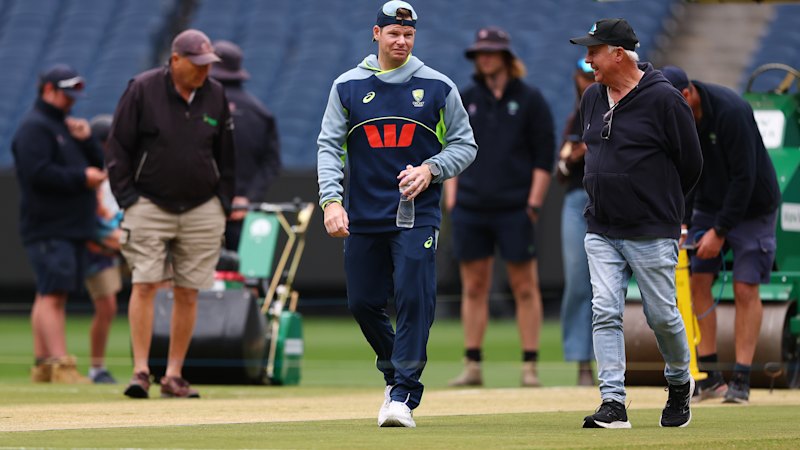
Les Burdett, Australia’s esteemed pitch preparation expert, watched the game unfold from his home in Adelaide with a sense of foreboding. Burdett, who retired as Adelaide Oval curator in 2010 but continues to advise Cricket Australia, remarked on the excessive grass on the MCG pitch, which he believed contributed to the rapid fall of wickets.
“When I saw this one on the morning of day one, I thought ‘mmm, yeah’. Before a ball was bowled, you could see how much grass was on it. So I thought, ‘well, I guess Pagey knows what he’s doing’. I marked his pitch last year as the best for the series,” Burdett said.
As the match progressed at a breakneck pace, MCG curator Matt Page found himself in a “state of shock.” Burdett explained that while a bit of grass can enhance the game, too much can cause the ball to behave unpredictably, leading to the kind of erratic bounce that plagued batsmen during the Test.
Impact on the Game and Future Considerations
The rapid finish of the Test match has prompted a reevaluation of pitch preparation practices. Greenberg questioned whether current pitch conditions align with the evolving nature of the game, where batsmen are more aggressive and bowlers more resilient.
“With the way batters are batting and the way the game is evolving, are the wickets in lockstep with that or are they not, and if they’re not, how do we ensure they are so we can try to balance the commercial implications versus the performance,” Greenberg said.
As the series continues, Greenberg intends to initiate discussions about aligning pitch preparation with modern gameplay. Meanwhile, Page received a supportive message from Burdett, who empathized with the challenges faced by curators in balancing commercial demands with the integrity of the sport.
Despite the setback, the Australian squad made a public appearance in the fan zone outside the MCG, engaging with fans and signing autographs. This gesture aimed to mitigate some of the disappointment felt by spectators and stakeholders alike.
Historical Context and Moving Forward
Historically, the MCG has been the site of many memorable cricket matches, and the unexpected conclusion of this Test serves as a reminder of the unpredictable nature of the sport. The incident has reignited debates about the balance between entertainment and competitive fairness in cricket.
As Cricket Australia reflects on the events, the focus will be on ensuring future matches strike the right balance between thrilling competition and maintaining the traditional integrity of Test cricket. The lessons learned from this experience will likely influence pitch preparations and strategic planning for upcoming series.
In the aftermath of this historic yet controversial Test, the cricketing world looks ahead to the next matches, with hopes of a more balanced and competitive series that honors the rich legacy of the sport.