

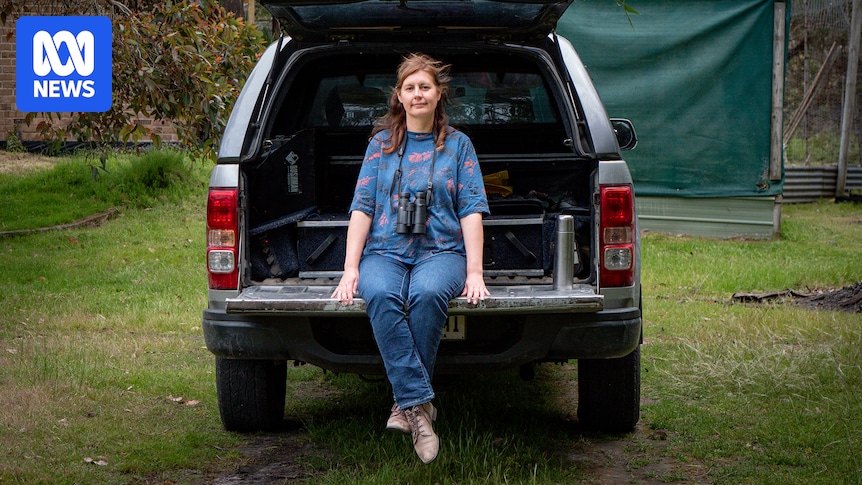
Australia’s renewable energy boom is reshaping the landscape, but new green energy projects are now facing scrutiny for potentially threatening the wildlife they aim to protect. In the small town of Nelson, near the Victoria–South Australia border, residents like Cassie Hlava are grappling with the implications of a proposed wind farm that could disrupt local ecosystems.
Cassie Hlava, an avid bird watcher and ecologist, has identified 84 bird species in her backyard. Her home, a haven for wildlife, is now at the center of a debate over the Kentbruck Green Power Hub, a proposed 105-turbine wind farm. This development is planned between a Ramsar-protected wetland and national parks, raising concerns about its impact on endangered birds.
Environmental Concerns and Community Impact
The proposed wind farm has sparked fears among environmentalists and locals. Mark Bachmann, founder of Nature Glenelg Trust, has spent years restoring Long Swamp, a vital wetland area. He worries that the wind farm’s proximity could harm the habitat of more than 90 waterbird species, including the endangered Australasian bittern.
“There is no way to avoid having an impact when you site a major development on the doorstep of a Ramsar wetland,” Bachmann says.
The Kentbruck Green Power Hub, proposed by HMC Capital, promises to boost Victoria’s energy supply as coal-fired power stations are phased out. However, the project’s location, just 300 meters from national parks and 500 meters from the wetland, has drawn criticism for potentially endangering local wildlife.
The Green Energy Transition
The push for renewable energy is crucial for Australia’s future, but conservation ecologist Brendan Wintle argues it must be balanced with environmental preservation. He advocates for stronger planning guidelines to protect high biodiversity areas.
“We can hit our targets for renewable energy generation at net zero without dramatically impacting the habitat of our 2,500 endangered species,” says Professor Wintle.
Recent reforms to Australia’s environmental regulations aim to strengthen protections and expedite project approvals. These changes have sparked debate, with some arguing they don’t go far enough. The reforms allow for “no-go zones” and ministerial discretion, which could influence projects like the Kentbruck wind farm.
Local Voices and Wider Implications
Cassie Hlava, also the deputy convenor for BirdLife Southeast South Australia, supports renewable energy but believes the wind farm is in the wrong location. Environmental surveys have identified 24 endangered species in the area, and critics argue that the project’s proximity to the wetland undermines its environmental claims.
“Birds generally follow the path of least resistance, which is the shortest distance between habitats,” Cassie explains.
Concerns extend beyond birds. The southern bent-wing bat, another endangered species, could also be at risk. The wind farm company has pledged $1 million annually for species protection, but experts argue that distance, not money, is the key to safeguarding wildlife.
Economic Opportunities and Challenges
While environmental concerns dominate the debate, the wind farm also presents economic opportunities. Dan McKinna, from the Prince Engineering wind turbine factory in Portland, sees potential for job creation if the project proceeds.
“The energy transition is the equivalent of the industrial revolution,” McKinna says.
The Alcoa Aluminium Smelter in Portland is also interested in the wind farm as a source of renewable energy. However, the Victorian government has yet to make a final decision, leaving the community in limbo.
As Nelson’s residents await the outcome, the town remains divided. Some, like Robert, worry about the environmental impact, while others, like Fran Thompson, fear the loss of eco-tourism and the area’s natural charm.
For Cassie Hlava, the proposed wind farm represents a shift from the natural beauty she cherishes. As she continues to document the birds in her backyard, she hopes for a solution that balances renewable energy development with the preservation of Australia’s unique ecosystems.