




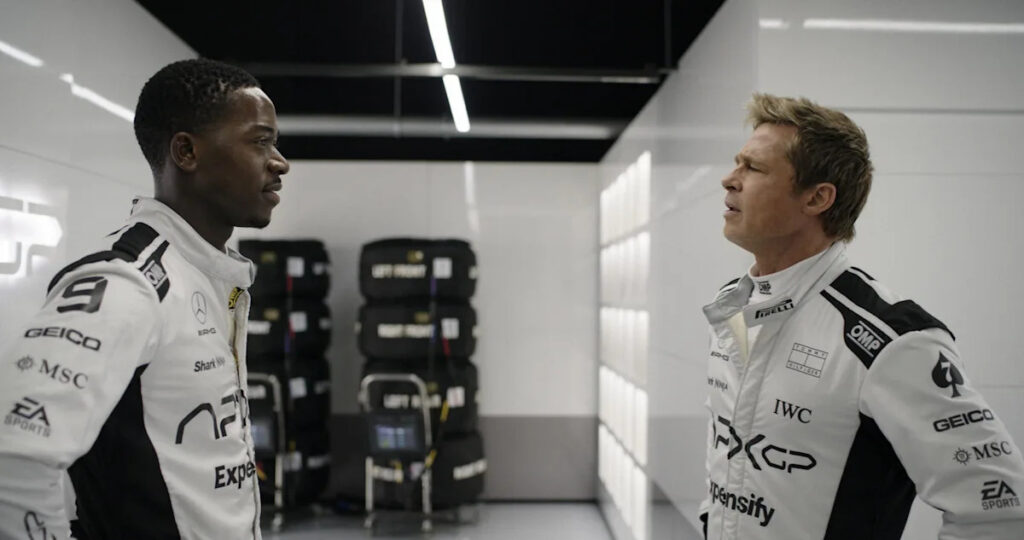
F1: The Movie, a cinematic tribute to the high-octane world of Formula One racing, is now available for streaming on Apple TV for subscribers. This follows a highly successful theatrical run where the film grossed over $630 million worldwide, marking it as Apple’s most triumphant original film to date.
Directed by Joseph Kosinski, known for his work on Top Gun: Maverick and Tron: Legacy, the film features Brad Pitt as Sonny Hayes, a once-celebrated F1 prodigy. The plot unfolds with Hayes being coaxed back into racing by an old friend, portrayed by Javier Bardem, to save a faltering team. Notably, the film’s production was overseen by seven-time F1 world champion Lewis Hamilton, who ensured the sport’s authenticity was captured on screen.
From Theaters to Living Rooms
The transition of F1: The Movie from theaters to home streaming is a significant move, reflecting the evolving landscape of film distribution. The film’s theatrical success underscores its appeal, combining thrilling race sequences with a narrative that resonates with both racing enthusiasts and general audiences.
Devindra Hardawar of Engadget reviewed the film upon its theatrical release, labeling it a “shameless Apple ad that will blow your socks off.” Despite its overt product placements, particularly of Apple products, the film is praised for its exhilarating racing scenes that elevate it to one of the premier racing movies in recent years.
The Art of Racing on Screen
Racing films have long captivated audiences, blending speed with human drama. F1: The Movie joins a storied tradition of motorsport films, drawing comparisons to classics like Rush and Le Mans. The film’s ability to capture the intense atmosphere of Formula One, aided by Hamilton’s involvement, adds a layer of credibility and excitement that appeals to both fans of the sport and newcomers alike.
While the film’s storytelling may follow familiar tropes, its technical execution, particularly the racing sequences, is where it truly shines. The depiction of speed and the visceral experience of racing are crafted with precision, offering viewers a taste of the adrenaline that defines Formula One.
Implications for Streaming and Cinema
The release of F1: The Movie on Apple TV highlights the ongoing shift in how audiences consume films. As streaming platforms continue to grow, the traditional boundaries of theatrical releases are evolving. This move allows Apple to leverage its platform to reach a broader audience, potentially setting a precedent for future releases.
Looking forward, the success of F1: The Movie could encourage more collaborations between streaming giants and cinema, blending the best of both worlds to deliver high-quality content to diverse audiences. As streaming services continue to invest in original content, the line between theatrical and home viewing experiences may blur further.
In conclusion, F1: The Movie represents not just a triumph for Apple in the realm of original content, but also a testament to the enduring appeal of racing films. Whether viewed on the big screen or in the comfort of one’s home, the film delivers a thrilling experience that captures the essence of speed and competition.